 ‧ Agnes Kazaryan ‧
March 01, 2026
‧ Agnes Kazaryan ‧
March 01, 2026  488 ‧
488 ‧
 0
0
Picking the right platform to build your online store is one of the biggest decisions you will make as a new seller. And with so many options out there, it is easy to spend hours comparing features, pricing pages, and reviews without actually getting anywhere. This guide cuts through the noise. Below, you will find an honest breakdown of the best ecommerce website builders available in 2026 – what each one does well, who it suits, and what to watch out for.
Quick Answer: The best ecommerce website builders in 2026 include Shopify, WooCommerce, Wix, BigCommerce, Squarespace, Hostinger, Ecwid, and Square. The right pick depends on your budget, technical comfort level, and whether you plan to dropship or hold your own inventory.
Whether you are launching your first store from scratch or switching platforms, the sections below cover everything you need to make a confident choice.
What makes a great ecommerce website builder?
Not every platform that lets you build a website is built with selling in mind. A good ecommerce website builder needs to do a specific job: help you set up a store, attract customers, process payments, and manage orders – ideally without requiring you to write a single line of code.
Here is what separates a solid ecommerce platform from a basic website tool:
- Ease of use – You should be able to get a store live within a day, even with no technical background.
- Built-in ecommerce features – Shopping cart, payment gateways, inventory management, and order tracking should all come included or be easy to add.
- Mobile-ready design – Most shoppers browse on their phones. Your store needs to look good on a small screen.
- SEO tools – If Google can not find your store, neither can customers. Look for platforms with built-in meta fields, sitemaps, and clean URLs.
- Scalability – A platform that works for five products should also work for five hundred. Think ahead.
- Dropshipping support – If you plan to sell without holding stock, check whether the platform integrates with dropshipping tools before committing.
Keep these criteria in mind as you read through the platform reviews below.
How much do the best ecommerce website builders cost?
Pricing varies a lot depending on which platform you choose and what features you need. Here is a straightforward comparison to give you a starting point.
Prices above reflect base plans at the time of writing. Most platforms charge extra for premium themes, apps, and advanced features, so your actual monthly spend may be higher once you factor in those add-ons.
The top ecommerce website builders reviewed
Here is a closer look at each of the best ecommerce website builders, including what they are good at and where they fall short.
Shopify
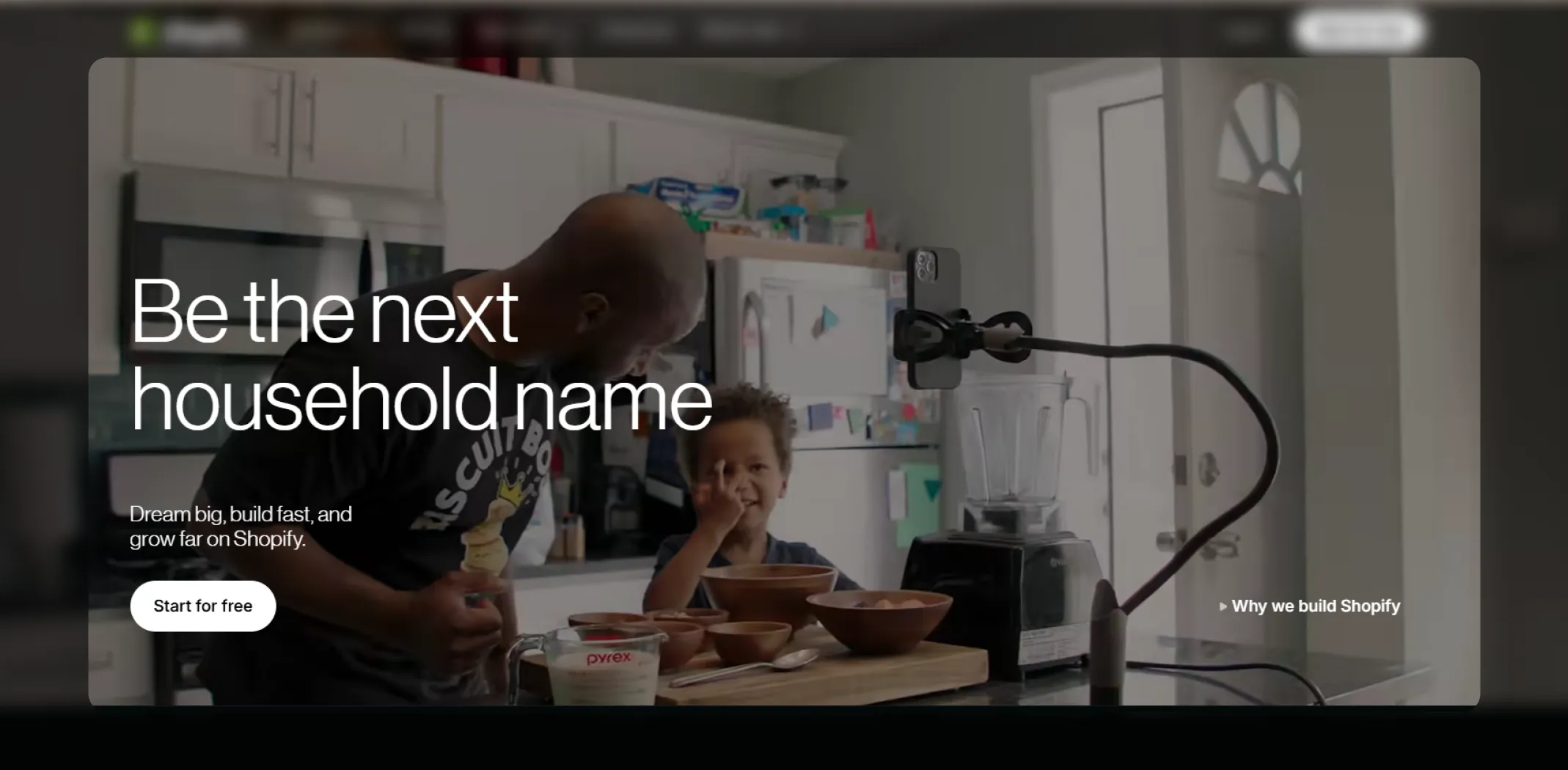
Shopify is probably the most well-known name on this list, and for good reason. It was built specifically for ecommerce, which means every feature – from product listings to payment processing to shipping – is designed with selling in mind. You do not need to worry about hosting, security, or software updates. Shopify handles all of that in the background.
The platform has a huge app store, so if there is something it does not do out of the box, there is almost certainly an add-on that covers it. That said, those apps add up quickly in terms of cost. The base plan starts at $39/month, and transaction fees apply unless you use Shopify Payments.
Best for: Anyone who wants a reliable all-in-one platform and is willing to pay for the convenience.
WooCommerce
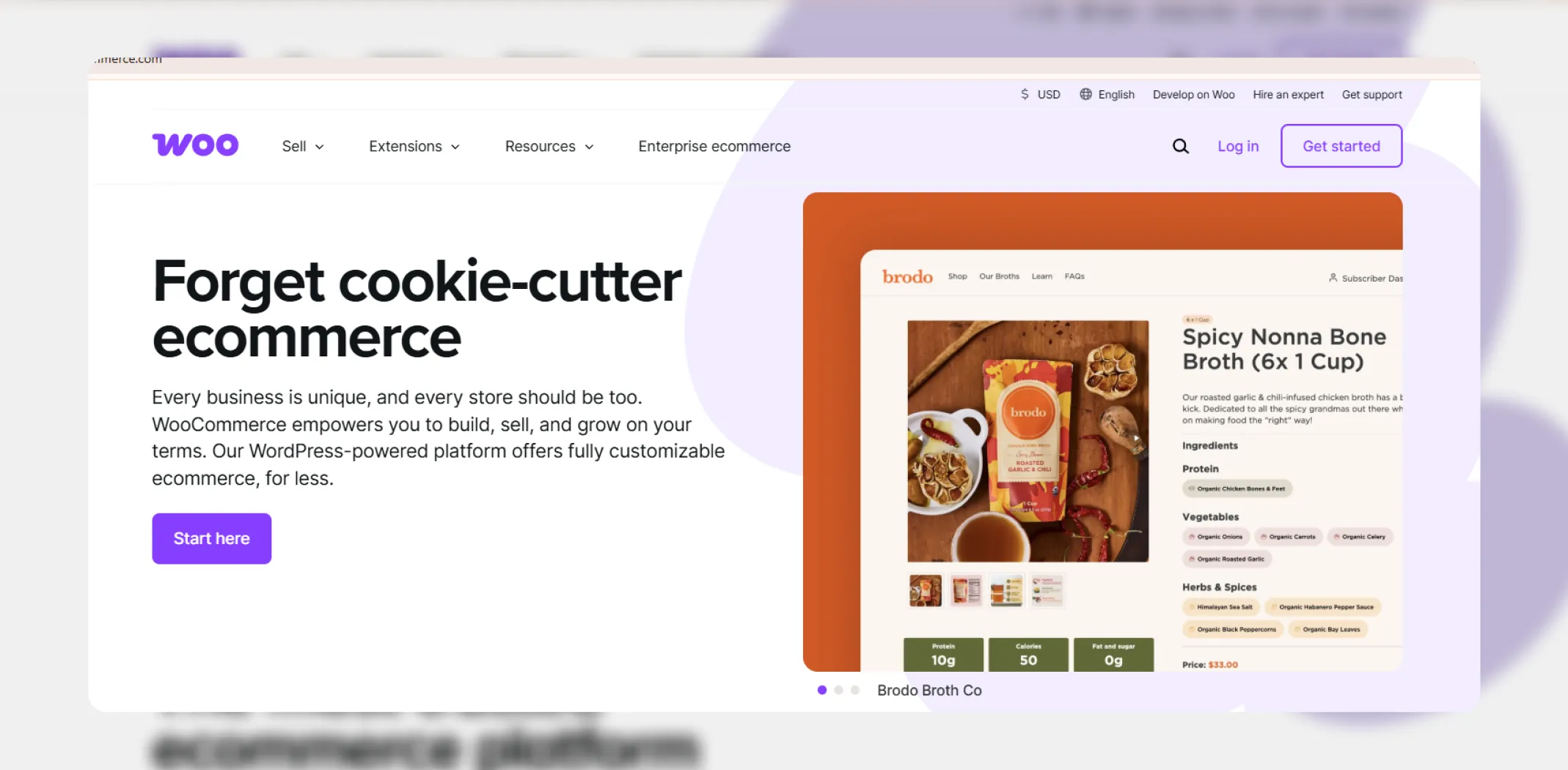
WooCommerce is a free plugin that turns any WordPress site into a fully functional online store. Because it runs on WordPress, you get enormous flexibility – thousands of themes, plugins, and customization options. There are no monthly platform fees, though you will need to pay for hosting and manage your own site maintenance.
The setup process is more involved than other platforms on this list. If you are comfortable with WordPress and want complete control over your store, WooCommerce is hard to beat. If you are starting from zero with no WordPress experience, it may feel overwhelming at first.
Best for: DIY-minded entrepreneurs and bloggers who are already running WordPress sites.
Wix
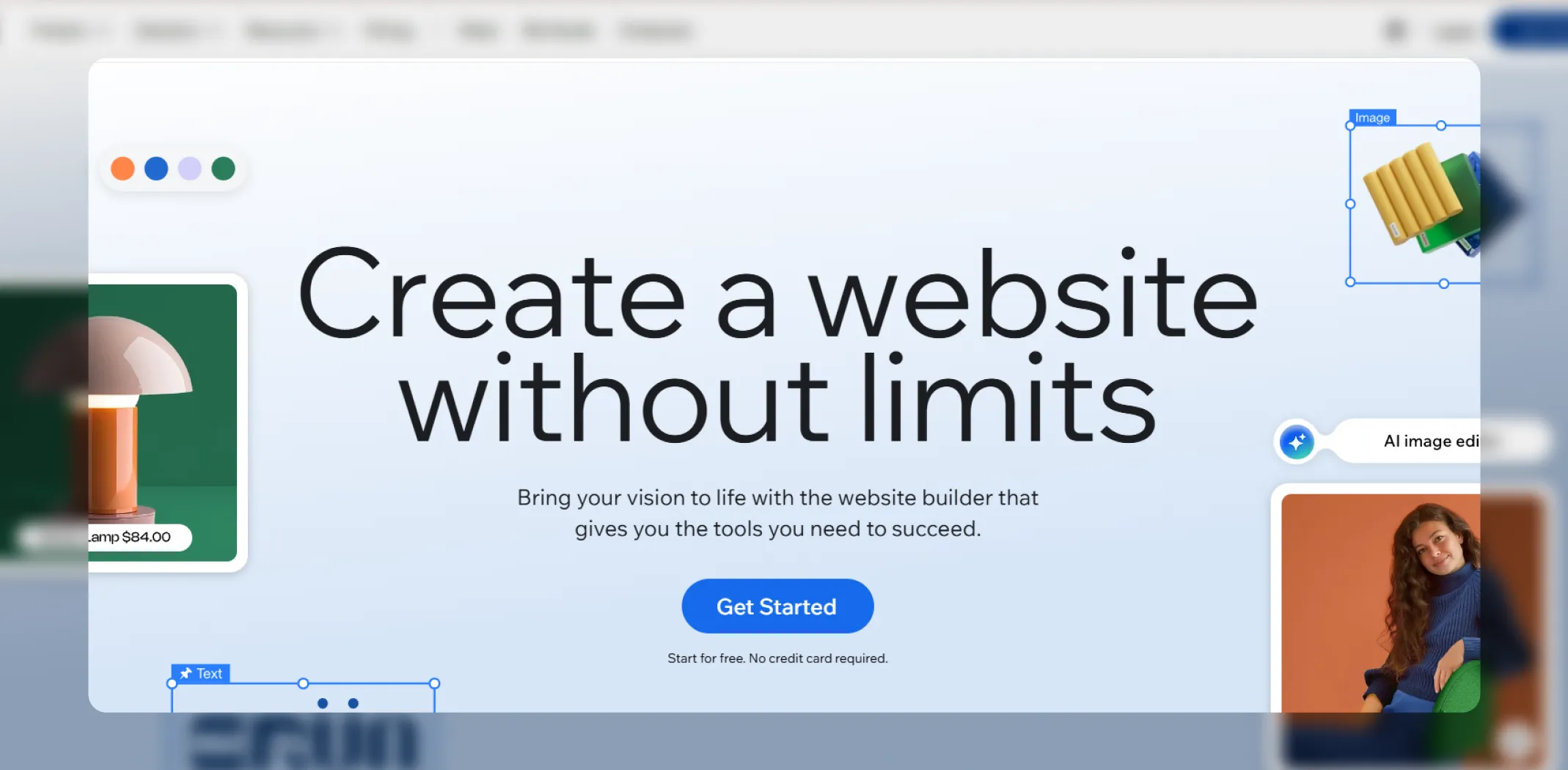
Wix is a drag-and-drop website builder that has developed solid ecommerce capabilities over the years. Its biggest strength is design freedom – you can move elements around freely, customize templates extensively, and create a store that looks exactly the way you want without touching any code.
It is beginner-friendly and works well for smaller stores or creative brands that care a lot about how their site looks. The downside is that costs can climb once you start adding apps and premium features, and it is less powerful than Shopify or BigCommerce when it comes to scaling a high-volume store.
Best for: Visual brands, artists, and small store owners who want creative control over their design.
BigCommerce
BigCommerce is built for stores that are serious about growth. It comes loaded with advanced SEO tools, supports large product catalogs, and lets you sell across multiple channels – including Amazon, eBay, and social media – without needing extra apps. There are no transaction fees on any plan, which makes a real difference as your sales volume increases.
The trade-off is complexity. BigCommerce has a steeper learning curve than most platforms on this list, and it is not the most intuitive option for first-time store owners. But if you are thinking big from day one, it is worth the effort.
Best for: Growing businesses that need advanced tools and built-in multi-channel selling.
Squarespace

Squarespace is well known for producing some of the most visually polished websites on the internet. Its templates are clean, modern, and mobile-friendly – and they come with built-in ecommerce functionality. If your brand depends on strong visual storytelling, Squarespace gives you the tools to make a serious impression.
The platform is not the best choice for large product catalogs, and its payment options are more limited than competitors. But for creatives – photographers, designers, artists, or boutique brands – it delivers a premium look without requiring any design skills.
Best for: Creative businesses and visual brands that want a beautiful, low-maintenance store.
Hostinger
Hostinger is one of the most affordable ecommerce website builders available, which makes it attractive for people starting out on a tight budget. It includes AI-powered tools to help you build faster, a straightforward dashboard, and no transaction fees on sales. You can get a basic store live quickly without spending much money upfront.
The platform does have real limitations. It is not well-suited for stores with more than a few hundred products, and features like abandoned cart recovery and subscription selling are missing from lower-tier plans. Think of it as a good place to start, not necessarily to scale.
Best for: Beginners who want to keep costs as low as possible while they test the waters.
Ecwid
Ecwid takes a different approach from most platforms here. Rather than replacing your existing website, it lets you add a fully functional store to a site you already have. It works with WordPress, Wix, Squarespace, and most other website builders, as well as social media pages. Setup is quick and the free plan is genuinely useful for small stores.
The downside is that Ecwid is not designed to be a standalone website builder. If you do not already have a site, it is not the right starting point. But if you have an existing audience and just want to start selling, it is one of the easiest ways to add that capability.
Best for: People who already have a website or blog and want to bolt on ecommerce without starting over.
Square
Square is best known for its point-of-sale systems, and its ecommerce offering builds directly on that strength. If you sell products both in person and online – at a market stall, a retail shop, or a pop-up event – Square keeps everything in sync. Inventory, sales, and payments flow between your online store and your physical setup automatically.
The free plan is a genuine option for small sellers, though design customization is limited. For businesses that only sell online with no physical component, other platforms on this list will likely serve you better.
Best for: Sellers who need both an online storefront and a physical point-of-sale system.
How to choose the right ecommerce platform for your situation
Reading about eight different platforms can feel like information overload. The good news is that narrowing it down is simpler than it looks once you answer a few honest questions about what you actually need.
Start with your budget. If you are working with very little upfront capital, WooCommerce (free plugin, you cover hosting), Ecwid, or Hostinger are the most affordable entry points. If you are willing to invest in a platform that handles everything for you, Shopify or BigCommerce justify their monthly fees through time saved and features included.
Think about how many products you plan to sell. Ecwid and Hostinger work well for small catalogs. Shopify and BigCommerce are built for stores with hundreds or thousands of SKUs. WooCommerce can scale to almost any size if you are willing to manage the technical side.
Consider your technical comfort level. Squarespace, Wix, and Shopify are the easiest platforms to use with no prior experience. WooCommerce and BigCommerce reward users who are happy to spend time on setup and customization. If you want something that is simply done for you, a service like AliDropship takes a different approach entirely – more on that below.
Finally, if dropshipping is your model, make sure the platform you choose integrates with your sourcing tool. Not all of them do, and adding a workaround later can create friction.
Things to watch out for before you commit
A few things that often catch new store owners off guard when picking from the best ecommerce website builders.
Transaction fees: Shopify charges a percentage of each sale unless you use its own payment processor. At volume, that adds up. Always check the full fee structure, not just the headline monthly price.
App dependency: Some platforms look affordable until you realise the features you actually need cost extra. Shopify and Wix both have extensive app stores – which is a strength, but it can also turn a $39/month plan into a $150/month commitment quickly.
Lock-in: Migrating your store from one platform to another is painful. Think carefully about where you want to be in two or three years before you commit to a platform and start building.
Hosting responsibility: With WooCommerce, you own the hosting – which means you are responsible for backups, security, and updates. That is not a problem if you are technically confident, but it is something to factor in if you are not.
Important: Always test the checkout process on mobile before you launch. A clunky mobile checkout is one of the most common reasons stores lose sales.
Which builder is right for different types of sellers?
Here is a quick summary based on seller profile.
Complete beginner: Start with Wix or Hostinger for the gentlest learning curve, or look at AliDropship if you want a store built and set up for you from day one.
Intermediate / part-time seller: Shopify gives you the best balance of ease of use and scalability. WooCommerce is worth considering if you already run a WordPress site.
Advanced / full-time goal: BigCommerce or Shopify Advanced are the most capable platforms for high-volume selling. If you are building a dropshipping business with full automation, AliDropship is worth serious consideration – it is purpose-built for exactly that model.
Final thoughts on picking an ecommerce website builder
There is no single answer to which platform is best. Every option on this list works – the difference is which one works best for you, right now, at your current stage.
If you are brand new and want to keep things simple: Wix or Hostinger will get you started fast. If you want full control and are comfortable with technology: WooCommerce gives you the most flexibility. If you want an all-in-one platform that scales: Shopify is hard to beat. And if dropshipping is your business model and you want automation built in from the start: AliDropship is designed specifically for that.
Pick one, launch, and learn as you go. The best ecommerce platform is the one you actually use.
AliDropship: Your complete all-in-one solution for starting dropshipping in 2026
If you want the simplest possible way to start dropshipping – especially if you’re brand new – AliDropship remains one of the most beginner-friendly tools available in 2026. It brings together store creation, product imports, automation, and marketing into a single streamlined system designed to help you launch quickly and grow confidently.
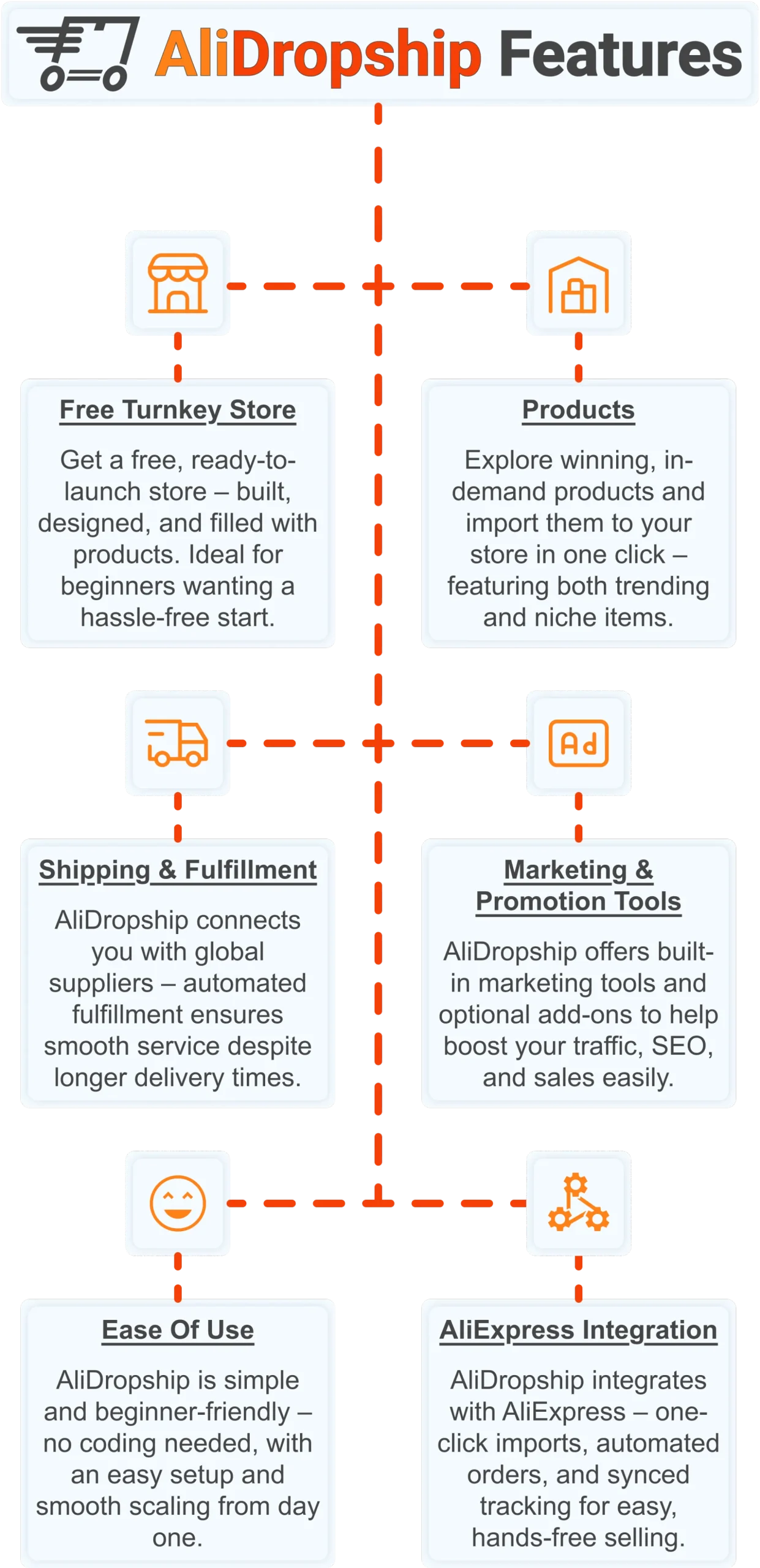
Free turnkey store ️
Get a free turnkey store – built, designed, and filled with products. Ideal for beginners wanting a hassle-free start, the store comes fully optimized to attract customers right away, saving you time on setup. Plus, it includes professional design elements to give your business a polished, trustworthy look from day one. This ready-made foundation makes it easy to move seamlessly into product selection.
Products
Once your store is set up, you can explore winning, in-demand products and import them in one click – featuring both trending and niche items. This wide selection lets you cater to diverse customer interests and test what works best. Regular updates ensure you always have fresh products, keeping your store competitive and relevant. With great products in place, smooth shipping becomes the next essential step.
Shipping & fulfillment
AliDropship connects you with global suppliers, and automated fulfillment ensures seamless order processing despite international delivery times. Customers receive real-time tracking updates, which builds confidence and trust in your store. Once shipping is handled reliably, you can focus on promoting your store and attracting traffic.
Marketing & promotion tools
To maximize sales, AliDropship offers built-in marketing tools and optional add-ons that help boost traffic, SEO, and conversions. From email campaigns and discounts to social media integration, these tools empower you to reach and retain customers without needing prior marketing experience. With promotion strategies in place, managing your business becomes simpler and more efficient.
Ease of use
AliDropship is beginner-friendly – no coding needed, with an intuitive dashboard that guides you through every step. Easy setup and smooth scaling let you expand your store without stress. As your business grows, adding new features, products, and marketing campaigns remains hassle-free, giving you more time to focus on sales.
AliExpress integration
Finally, AliDropship integrates seamlessly with AliExpress, enabling one-click imports, automated orders, and synced tracking. Your inventory stays up-to-date with the latest products and prices, while automated order processing frees you from manual tasks. Combined with the turnkey setup, reliable shipping, and built-in marketing tools, this integration ensures your dropshipping business is fully equipped for growth and success.
Frequently Asked Questions
Which ecommerce website builder is the cheapest to start with?
Ecwid is the most affordable option among the best ecommerce website builders, starting from 5 per month and designed to add a store to a site you already have. Hostinger follows at 11.99 per month and includes AI-powered tools along with no transaction fees on sales. WooCommerce is technically free as a plugin, though you still need to budget for hosting separately. Actual monthly costs on any platform often rise once premium themes and apps are added.
How much does Shopify cost compared to other ecommerce website builders?
Shopify starts at 39 per month, the same starting price as BigCommerce at 29 per month once discounts are excluded, but Shopify charges transaction fees unless you use its own payment processor. App dependency can push a 39 per month plan toward 150 per month once marketing and automation tools are added. BigCommerce, by comparison, charges no transaction fees on any of its plans. Squarespace and Wix sit in between at 25 and 17 per month respectively for sellers who prioritize design.
What is the best ecommerce website builder for beginners with no experience?
Wix and Hostinger are recommended as the gentlest starting points for complete beginners due to their simple dashboards and low learning curve. Squarespace is also considered easy to use with no prior design experience required. AliDropship is suggested for beginners who want a store built and set up for them from day one rather than building it themselves. Testing the mobile checkout process before launch is important regardless of which beginner-friendly platform is chosen.
Which ecommerce website builder works best for large product catalogs?
Shopify and BigCommerce are built to handle stores with hundreds or thousands of SKUs, while Ecwid and Hostinger are better suited to smaller catalogs. WooCommerce can scale to almost any size, but it requires the seller to manage hosting, security, and updates independently. BigCommerce specifically includes multi-channel selling across Amazon, eBay, and social media without needing extra apps. Choosing the wrong platform for your catalog size can create migration headaches later, since switching platforms is difficult.
Does any ecommerce website builder support both online and in-person selling?
Square is the standout option for sellers who need both an online storefront and a physical point-of-sale system, since inventory and payments sync automatically between the two. Its free plan is a genuine option for small sellers, though design customization is more limited than competitors. For businesses selling exclusively online with no physical component, other platforms on this list are likely to serve better. Square’s core strength comes from its established point-of-sale system rather than its ecommerce design tools.
If you are ready to skip the platform research and go straight to selling, AliDropship gives you everything you need in one place. Claim your free store and $100 voucher to get started today.
 Previous post
