 ‧ Agnes Kazaryan ‧
March 01, 2026
‧ Agnes Kazaryan ‧
March 01, 2026  926 ‧
926 ‧
 0
0
Job hunting looks nothing like it did five years ago. You no longer need to mail a resume or refresh a single job board every morning. Today, the best job apps put thousands of listings, recruiter contacts, and one-click applications right in your pocket. The hard part is figuring out which apps are actually worth your time.
Quick Answer: The best job apps in 2026 depend on what you’re looking for. Indeed and LinkedIn are the strongest all-rounders. For remote-only roles, FlexJobs and We Work Remotely are hard to beat. Freelancers get the most from Upwork and Fiverr. And if you’re in a specialist field, niche platforms often outperform the big names.
This guide covers every major category – general job search, remote work, freelancing, networking, and industry-specific platforms – so you can build a shortlist that fits your situation and start applying with a proper strategy.
What are job apps and why do they matter in 2026?
Job apps are mobile and web-based platforms designed to connect job seekers with employers, recruiters, or clients. They range from broad marketplaces with millions of listings to tight, curated communities focused on one profession or work style.
In 2026, using at least one job app is close to non-negotiable. Recruiters actively source candidates through these platforms, and many companies post roles exclusively on apps before they reach traditional job boards. If you’re not using them, you’re likely missing a significant slice of available opportunities.
What separates a great job app from a mediocre one comes down to four things: the volume and quality of its listings, how fast and easy the application process is, what extra tools it offers (salary data, company reviews, skills assessments), and how well it matches your specific job type or industry. Keep those in mind as you work through this list.
How competitive is the job market in 2026?
The remote job market is particularly saturated right now. A single listing on a major remote platform can attract hundreds of applicants within 24 hours, which is why profile quality and fast application times matter more than ever.
Important note: More listings does not always mean better results. A niche platform with 500 highly relevant jobs will often outperform a general platform with 5 million listings if your skills are specialized.
Best general job apps for full-time and part-time work
If you’re looking for a traditional employment role – salaried, part-time, or contract – these are the platforms with the widest reach and the strongest hiring ecosystems.
Indeed
Indeed remains one of the largest job search engines in the world, aggregating listings from company websites, job boards, and direct employer postings. The search filters are strong, the mobile app is clean, and the one-click apply feature works well for roles that don’t require a custom cover letter. Indeed also offers salary comparison tools and employer reviews pulled from its own database.
Why this works in 2026: Indeed’s sheer volume of listings means you’re unlikely to miss relevant openings, and its sponsored job feature has pushed employers to keep postings up to date.
LinkedIn is the only platform on this list that combines job search with professional networking at scale. You can apply for roles, follow hiring managers, message recruiters directly, and signal to the market that you’re open to opportunities – all in one place. LinkedIn’s job matching algorithm has also improved considerably, making proactive outreach from recruiters more common.
Important: A half-filled LinkedIn profile hurts more than it helps. Before you start applying, make sure your headline, experience section, and skills are complete.
ZipRecruiter
ZipRecruiter uses AI matching to surface roles based on your resume, which makes it a strong passive search tool. Once you upload your profile, employers can invite you to apply – reducing the time you spend hunting. It’s particularly strong for mid-level roles in the US.
Glassdoor
Glassdoor is most valuable as a research tool layered on top of job search. Its company reviews and salary data help you walk into an application or interview knowing what the role is actually worth and what the culture is really like – information that general job boards simply don’t provide.
Best job apps for remote work
Remote roles attract massive applicant pools, so finding them on a platform specifically built for remote hiring gives you a cleaner, less noisy experience than filtering a general job app.
We Work Remotely
We Work Remotely is one of the oldest dedicated remote job boards and still one of the most trusted. Listings are manually reviewed, which cuts down on spam and low-quality postings significantly. The site skews toward tech, design, and marketing roles but covers other categories too.
FlexJobs
FlexJobs requires a paid subscription (around $9.95–$24.95/month depending on the plan), but every listing is screened by their team before it goes live. If you’ve been burned by scam postings on free platforms, FlexJobs is worth the cost. It also covers part-time, freelance, and flexible hybrid roles – not just fully remote work.
Earning potential: Remote roles vary enormously, but entry-to-mid-level remote positions typically pay $40,000–$90,000/year depending on the field and country of employment.
Remote.co
Remote.co focuses specifically on companies that have built remote-first or remote-friendly cultures, rather than just listing individual remote roles. That distinction matters – it means you’re more likely to join a team where remote work is genuinely supported rather than tolerated.
Remotive
Remotive is a smaller, community-driven platform that publishes a curated weekly newsletter alongside its job board. It’s particularly good for software developers, customer support roles, and content writers looking for fully distributed teams.
Best freelance job apps to build your own income
Freelancing through an app is one of the most accessible ways to start earning independently. You set your own rates, choose your clients, and build a portfolio on your own terms. These platforms have the largest client bases and the most developed payment infrastructure.
Upwork
Upwork is the dominant platform for professional freelancers. It covers everything from software development and copywriting to legal consulting and data analysis. The bidding system takes some getting used to, and the platform fees can be significant early on (up to 20% on initial earnings with a new client), but the quality of clients and the size of contracts make it worthwhile for most freelancers.
Earning potential: Beginner freelancers on Upwork typically earn $15–$40/hour. Experienced specialists in tech, legal, or finance often charge $80–$200/hour or more.
Fiverr
Fiverr works on a service-listing model rather than bidding – you create a “gig” describing what you offer, set a price, and buyers come to you. It’s a better starting point if you’re building a freelance business for the first time, because you’re not competing in an open auction. Fiverr takes a 20% cut of every transaction.
Freelancer
Freelancer.com is closer in structure to Upwork but offers more contest-style projects, where multiple freelancers submit work and the client picks a winner. It’s a useful supplementary platform, though its quality controls are slightly weaker than Upwork’s.
Toptal
Toptal is selective – it claims to accept only the top 3% of applicants. If you pass the screening process (which involves multiple rounds of technical and communication tests), you get access to premium clients with larger budgets. It’s not a starting point for beginners, but it’s worth pursuing once you’ve built a strong track record.
Best networking apps that open hidden job opportunities
A significant proportion of jobs – estimates vary, but many career coaches put it at 70–80% – are filled through connections before they’re ever publicly advertised. Networking apps help you build those connections deliberately.
LinkedIn (again)
LinkedIn earns a second mention here because its networking function is genuinely separate from its job board. Following companies, engaging with posts in your field, and sending thoughtful connection requests to people in your target industry are all habits that produce results over 60–90 days. It’s slow, but it works.
Shapr
Shapr applies a swipe-based interface to professional networking. Each day you’re shown a limited set of profiles in your field and location, and mutual matches open a conversation. It’s lower-pressure than a cold LinkedIn message and works well for local networking in mid-to-large cities.
Lunchclub
Lunchclub uses AI to set up one-on-one video or in-person meetings between professionals with shared goals. You fill in what you’re working on and what kind of connection would be useful, and the platform makes the introduction. It’s particularly popular in tech hubs like San Francisco, New York, and London.
Niche job apps for specific industries
General platforms are noisy. If you work in a specialist field, a niche job app will often surface better-matched listings and attract employers who are specifically looking for someone with your background.
Tech and IT
Dice is one of the longest-running tech-focused job platforms in the US, with strong listings for software engineers, data scientists, and cybersecurity professionals. Hired flips the model – you create a profile and companies bid to interview you, which gives experienced tech workers real negotiating leverage.
Healthcare
Medzilla specializes in pharmaceutical, biotech, and medical device roles. Health eCareers covers clinical and non-clinical healthcare positions across the US, from nursing to health administration.
Creative fields
Behance (owned by Adobe) and Dribbble are portfolio platforms first – but both have job boards attached that are well-used by design agencies and creative studios. Having a strong portfolio on these platforms does more for your job prospects than most job apps alone.
Blue-collar and hourly work
Snagajob is built specifically for hourly and shift work, covering retail, hospitality, and warehousing. JobGet targets blue-collar workers with a fast mobile-first application process designed to get you from browsing to interview in under an hour.
Things to watch out for when using job apps
Job apps are useful tools, but they come with pitfalls that are worth knowing about before you invest serious time in them.
Key principle: No legitimate employer will ask you for money, personal banking details, or gift cards during the hiring process – on any platform.
Ghost listings are a real problem on high-volume platforms. Some postings stay live long after the role is filled, or were never genuine to begin with. If a listing has been up for more than 30 days with no activity, it’s worth checking the company’s careers page directly to verify.
Application overload is the other common trap. Mass-applying to every vaguely relevant listing rarely works and burns time you could spend on a smaller number of targeted, well-crafted applications. Most recruiters can tell immediately whether an application was written specifically for their role.
On freelance platforms specifically, watch out for scope creep in early contracts – clients who expand the project after you’ve quoted for something smaller. Clear deliverables and milestone-based payments protect you here.
How to choose the right job app for your situation
The honest answer is that no single app works for everyone. Here’s a simple way to narrow it down based on where you are right now.
Complete beginner: Start with Indeed for volume and LinkedIn for visibility. Set up a complete profile on both before you send a single application. Use Glassdoor alongside them for salary research.
Intermediate / part-time: Add a freelance platform like Upwork or Fiverr to your mix if you want flexibility alongside a job search. If remote work is the goal, sign up for FlexJobs or We Work Remotely and filter ruthlessly.
Advanced / full-time goal: Use LinkedIn as your primary networking hub and combine it with a niche platform relevant to your industry. If you’re in tech, Hired or Dice will surface higher-quality matches than a general board. Invest time in Lunchclub or Shapr to build relationships that lead to referrals.
Whichever combination you choose, track your applications in a simple spreadsheet – date applied, platform, status, follow-up due. It sounds basic, but it makes a measurable difference to your response rate over time.
AliDropship: Your complete all-in-one solution for starting dropshipping in 2026
If you want the simplest possible way to start dropshipping – especially if you’re brand new – AliDropship remains one of the most beginner-friendly tools available in 2026. It brings together store creation, product imports, automation, and marketing into a single streamlined system designed to help you launch quickly and grow confidently.
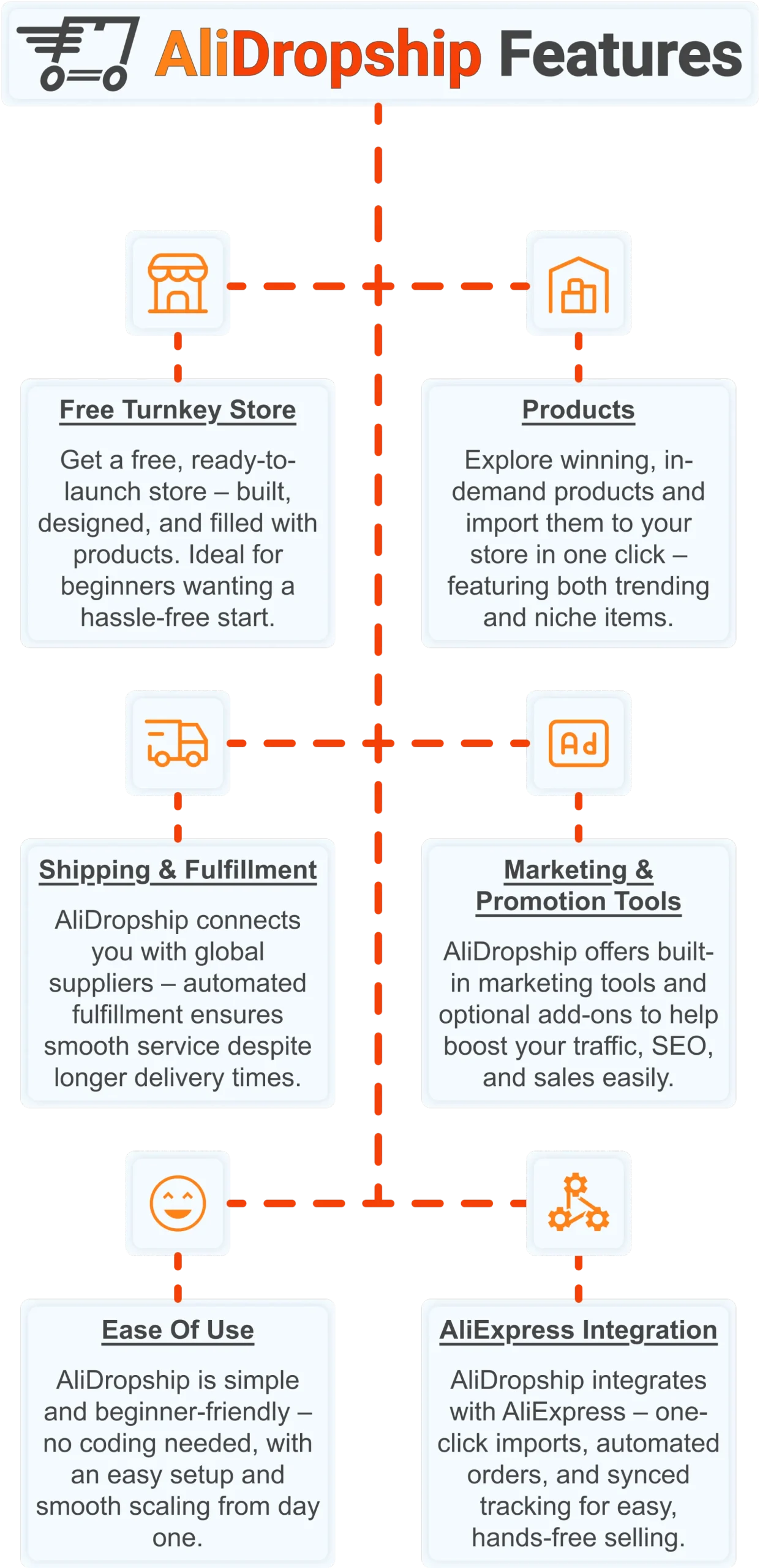
Free turnkey store ️
Get a free turnkey store – built, designed, and filled with products. Ideal for beginners wanting a hassle-free start, the store comes fully optimized to attract customers right away, saving you time on setup. Plus, it includes professional design elements to give your business a polished, trustworthy look from day one. This ready-made foundation makes it easy to move seamlessly into product selection.
Products
Once your store is set up, you can explore winning, in-demand products and import them in one click – featuring both trending and niche items. This wide selection lets you cater to diverse customer interests and test what works best. Regular updates ensure you always have fresh products, keeping your store competitive and relevant. With great products in place, smooth shipping becomes the next essential step.
Shipping & fulfillment
AliDropship connects you with global suppliers, and automated fulfillment ensures seamless order processing despite international delivery times. Customers receive real-time tracking updates, which builds confidence and trust in your store. Once shipping is handled reliably, you can focus on promoting your store and attracting traffic.
Marketing & promotion tools
To maximize sales, AliDropship offers built-in marketing tools and optional add-ons that help boost traffic, SEO, and conversions. From email campaigns and discounts to social media integration, these tools empower you to reach and retain customers without needing prior marketing experience. With promotion strategies in place, managing your business becomes simpler and more efficient.
Ease of use
AliDropship is beginner-friendly – no coding needed, with an intuitive dashboard that guides you through every step. Easy setup and smooth scaling let you expand your store without stress. As your business grows, adding new features, products, and marketing campaigns remains hassle-free, giving you more time to focus on sales.
AliExpress integration
Finally, AliDropship integrates seamlessly with AliExpress, enabling one-click imports, automated orders, and synced tracking. Your inventory stays up-to-date with the latest products and prices, while automated order processing frees you from manual tasks. Combined with the turnkey setup, reliable shipping, and built-in marketing tools, this integration ensures your dropshipping business is fully equipped for growth and success.
Frequently Asked Questions
What are the best job apps in 2026?
The best job apps depend on what kind of work you are looking for. Indeed and LinkedIn are the strongest all rounders for full time and part time roles. FlexJobs and We Work Remotely lead for remote only positions, while Upwork and Fiverr work best for freelancers. Niche platforms often outperform general ones once your skills are specialized.
What is the best job app for remote work?
FlexJobs and We Work Remotely are two of the strongest dedicated remote job platforms. FlexJobs requires a paid subscription of around 9.95 to 24.95 per month, but every listing is screened by their team before it goes live. Entry to mid level remote positions typically pay 40000 to 90000 per year depending on the field and country. We Work Remotely has its listings manually reviewed, which cuts down on spam significantly.
How much can you earn using freelance job apps like Upwork or Fiverr?
Beginner freelancers on Upwork typically earn 15 to 40 per hour, while experienced specialists in tech, legal, or finance can charge 80 to 200 per hour or more. Upwork platform fees can reach up to 20 percent on initial earnings with a new client. Fiverr works differently, using a gig based model where buyers come to you, and it takes a flat 20 percent cut of every transaction. Toptal is more selective, accepting only the top 3 percent of applicants who pass its screening process.
How important is networking for finding a job in 2026?
Many career coaches estimate that 70 to 80 percent of jobs are filled through connections before they are ever publicly advertised. LinkedIn remains the strongest networking tool, and consistent activity over 60 to 90 days tends to produce real results. Shapr uses a swipe based interface to connect professionals in the same field and location. Lunchclub uses AI to set up one on one meetings and is especially popular in tech hubs like San Francisco and New York.
What should you watch out for when using job apps?
No legitimate employer will ever ask for money, banking details, or gift cards during hiring on any platform. Ghost listings are common on high volume platforms, and a posting live for more than 30 days with no activity is worth double checking against the company website. Mass applying to many vaguely relevant listings rarely works as well as fewer, well targeted applications. On freelance platforms specifically, scope creep in early contracts is a common risk that milestone based payments help prevent.
If you are using the best job apps to earn more income, dropshipping through AliDropship is one of the most accessible ways to build something that earns for you independently. Get your free store and a $100 gift voucher to start today.
 Previous post
