 ‧ Agnes Kazaryan ‧
March 02, 2026
‧ Agnes Kazaryan ‧
March 02, 2026  1461 ‧
 0
0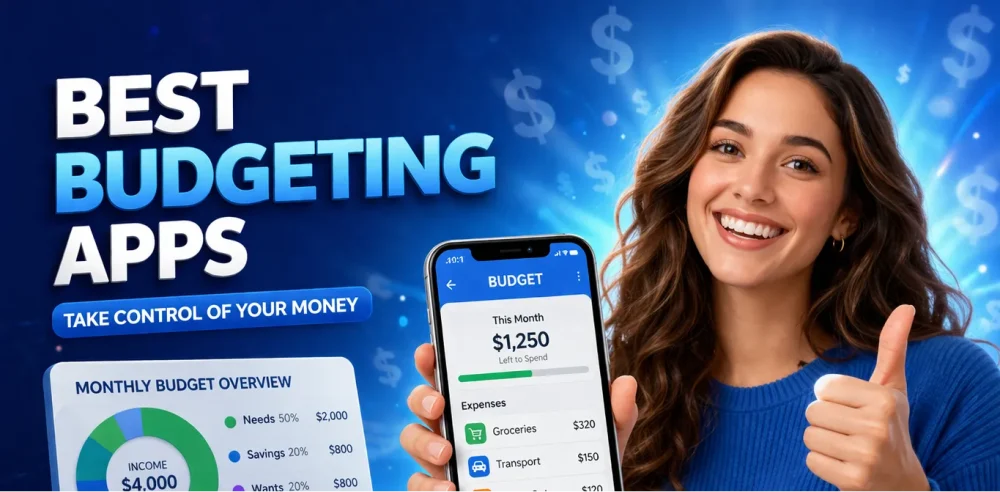
Most people have no idea where their money actually goes. You check your balance and somehow it’s lower than you expected – again. The good news? The best budgeting apps can fix that faster than you think.
Quick Answer: The best budgeting apps in 2026 include YNAB, Monarch Money, Copilot, PocketGuard, and Goodbudget. Each one suits a different type of user – from zero-based budgeting beginners to couples managing shared finances. The right one depends on your goals and how hands-on you want to be.
This guide covers what to look for, how much these apps cost, and which one is likely to work best for you. No fluff – just a straight comparison so you can pick one and actually start using it.
What are budgeting apps and why do they matter in 2026?
A budgeting app is a tool that connects to your bank accounts, tracks your transactions, and organises your spending into categories. Instead of manually reviewing bank statements or keeping spreadsheets, the app does the heavy lifting for you.
In 2026, these tools have become genuinely sophisticated. The best ones don’t just track – they flag unusual spending, suggest where to cut back, and project your balance weeks ahead. With inflation still affecting everyday costs and interest rates remaining unpredictable, more people are turning to budgeting apps as a practical way to stay ahead of their finances.
The core value is simple: visibility. When you can see exactly where every dollar goes, you make better decisions. Studies from the Consumer Financial Protection Bureau consistently show that people who actively track spending are more likely to reach savings goals and less likely to carry high-interest debt.
How much do budgeting apps actually cost?
Most of the best budgeting apps offer a free tier or a free trial, but the most powerful features usually sit behind a paywall. Here’s a realistic overview of what you’ll pay and what you get for it.
Paid plans typically run $8–$15 per month. If an app helps you cut even $50/month in unnecessary spending, it pays for itself many times over. Most offer a free trial of 30–34 days – long enough to know if it sticks.
One note on free budgeting apps: Free versions can be genuinely useful, but they usually limit the number of linked accounts or spending categories. If you have more than one bank account or want detailed reporting, the paid tier is usually worth it.
The best budgeting apps in 2026 – compared
Here are the top five budgeting apps worth your time in 2026. Each one has a distinct approach, so pay attention to which style matches how you actually think about money.
YNAB (You Need A Budget)
YNAB is built around a single idea: give every dollar a job before you spend it. It uses a zero-based budgeting method, which means your income minus your assigned categories should equal zero. There’s no passive tracking here – YNAB expects you to be intentional.
It connects to your bank accounts for automatic imports but also lets you manually enter transactions, which many users find keeps them more accountable. The app includes goal tracking, debt payoff tools, and a reporting suite that shows trends across months.
The learning curve is steeper than most other apps. YNAB offers free live workshops and a solid help library, but plan on spending a week or two before it clicks. Once it does, users tend to stick with it for years. On Reddit’s r/ynab, which has over 300,000 members, it’s common to see people crediting the app with saving thousands of dollars in their first year.
Earning potential: YNAB users report saving an average of $600 in the first two months, according to the company’s own data – though individual results vary significantly based on income and prior spending habits.
Monarch Money
Monarch Money has become the go-to replacement for Mint since Intuit shut it down in early 2024. It combines budgeting, net worth tracking, investment monitoring, and cash flow reporting in one clean dashboard.
It’s especially strong for couples and households. Both partners can log in, see the same data, and collaborate on shared goals. The collaborative budgeting feature lets you set joint targets for things like holidays, home repairs, or a joint savings fund.
The interface is polished and genuinely easy to navigate. Monarch connects to thousands of financial institutions and rarely has sync issues – a common complaint with older apps. It also includes a manual account option for people who prefer not to link bank details directly.
Why this works in 2026: More households are managing finances jointly across multiple accounts and platforms. Monarch is one of the few apps designed from the ground up for that reality.
Copilot
Copilot is iOS-only and it shows – the design is genuinely beautiful in a way most finance apps aren’t. It uses machine learning to automatically categorise transactions and gets smarter over time as you correct its suggestions.
Where Copilot stands out is in its reporting. The spending trends view breaks down your habits month by month and flags when something looks out of character. It’s less prescriptive than YNAB – you’re not forced into a specific budgeting philosophy – but it gives you the data to make your own decisions.
One limitation: Copilot is Apple-only. If you or your partner use Android, it won’t work for a shared setup. For solo iOS users who want the most visually refined experience available, it’s hard to beat.
PocketGuard
PocketGuard is the most straightforward app on this list. Its headline feature is “In My Pocket” – a number that tells you how much you can safely spend today, after accounting for bills, savings goals, and necessities. You open the app, see one number, and act accordingly.
It’s not the deepest tool. You won’t get detailed investment tracking or long-term projections. But for someone who tends to overspend and needs a simple guardrail, it’s highly effective. The free version covers most use cases. The Plus plan ($12.99/month) unlocks unlimited accounts and custom categories.
Important: PocketGuard’s bill negotiation feature – which claims to lower your bills on your behalf – has received mixed reviews. Treat it as optional and focus on the core budgeting functionality.
Goodbudget
Goodbudget is based on the envelope budgeting method – an old-school approach where you allocate a fixed amount to each spending category at the start of the month. When the envelope is empty, you’re done spending in that category.
The app brings this system into the digital age and makes it easy to share across devices. It’s particularly useful for families or couples who want to budget together without needing to constantly check in with each other. Both people can see the same envelopes updating in real time.
Goodbudget doesn’t sync with bank accounts – transactions are entered manually or by import. That’s a deliberate choice. The idea is that manual entry makes you more conscious of what you’re spending. If you find automatic syncing too passive, Goodbudget’s approach may suit you better.
What to look for when choosing a budgeting app
The best budgeting app is the one you’ll actually use. Before you pick one, it helps to run through a few quick questions.
How involved do you want to be?
Apps like YNAB require regular check-ins and manual decisions. Apps like Monarch Money or Copilot can run mostly in the background and alert you when something looks off. Neither approach is better – it depends on how engaged you want to be with your finances on a day-to-day basis.
Are you budgeting alone or with someone?
If you’re managing finances with a partner or family member, Monarch Money and Goodbudget are the strongest choices. Both are built for collaborative use. YNAB also supports shared accounts but the setup is more complex.
Do you need investment tracking too?
If you want a single app that covers budgeting and investment monitoring, Monarch Money is currently the most capable option. Copilot offers basic investment views but doesn’t go as deep. YNAB focuses purely on budgeting and doesn’t track investments at all.
What device are you on?
Copilot is iOS only. All other apps on this list are available on both iOS and Android, with web access included for most paid plans.
Are budgeting apps safe to use?
This is one of the most common questions, and it’s a fair one. You’re handing over access to sensitive financial data, so the security question matters.
The short answer is: reputable budgeting apps are generally safe. Apps like YNAB, Monarch Money, and Copilot use read-only access to your bank accounts via third-party aggregators like Plaid or MX. This means they can see your transactions but cannot move money or make changes to your accounts.
All major apps use 256-bit encryption, the same standard used by banks. They are also subject to data regulations depending on your country – GDPR in Europe, CCPA in California, and so on.
Key principle: No legitimate budgeting app will ever ask for your bank login password directly. If one does, stop and look elsewhere.
The bigger risk is data breaches, which can happen to any company. Reading the app’s privacy policy and understanding what data it shares or sells is worth 10 minutes of your time. PocketGuard and some free-tier apps have historically monetised user data – check their policies before signing up.
Final thoughts – which budgeting app is right for you?
There’s no single best budgeting app for everyone. The right choice depends on where you’re starting from and what you actually want to change about your finances.
Complete beginner
Start with PocketGuard’s free tier or Goodbudget’s free plan. Both are simple, require minimal setup, and get you into the habit of tracking without overwhelming you. Once you feel comfortable, you can upgrade or switch to a more powerful tool.
Intermediate – part-time focus
Monarch Money or Copilot (iOS only) are strong choices. You get automatic syncing, clean reporting, and enough depth to set meaningful goals without having to log in every day. Budget for around $100–$150 per year.
Advanced – full-time financial goals
YNAB is the most rigorous option available. If you’re serious about eliminating debt, building a savings buffer, or getting genuinely disciplined about money, the zero-based budgeting method is hard to beat. The community and resources are also excellent – the YNAB subreddit alone is a useful resource. Expect to spend 2–3 weeks getting it properly set up before it feels natural.
Important note: Whichever app you choose, give it at least 60–90 days before deciding it isn’t working. Most people quit before the system has had a chance to produce visible results.
AliDropship: Your complete all-in-one solution for starting dropshipping in 2026
If you want the simplest possible way to start dropshipping – especially if you’re brand new – AliDropship remains one of the most beginner-friendly tools available in 2026. It brings together store creation, product imports, automation, and marketing into a single streamlined system designed to help you launch quickly and grow confidently.
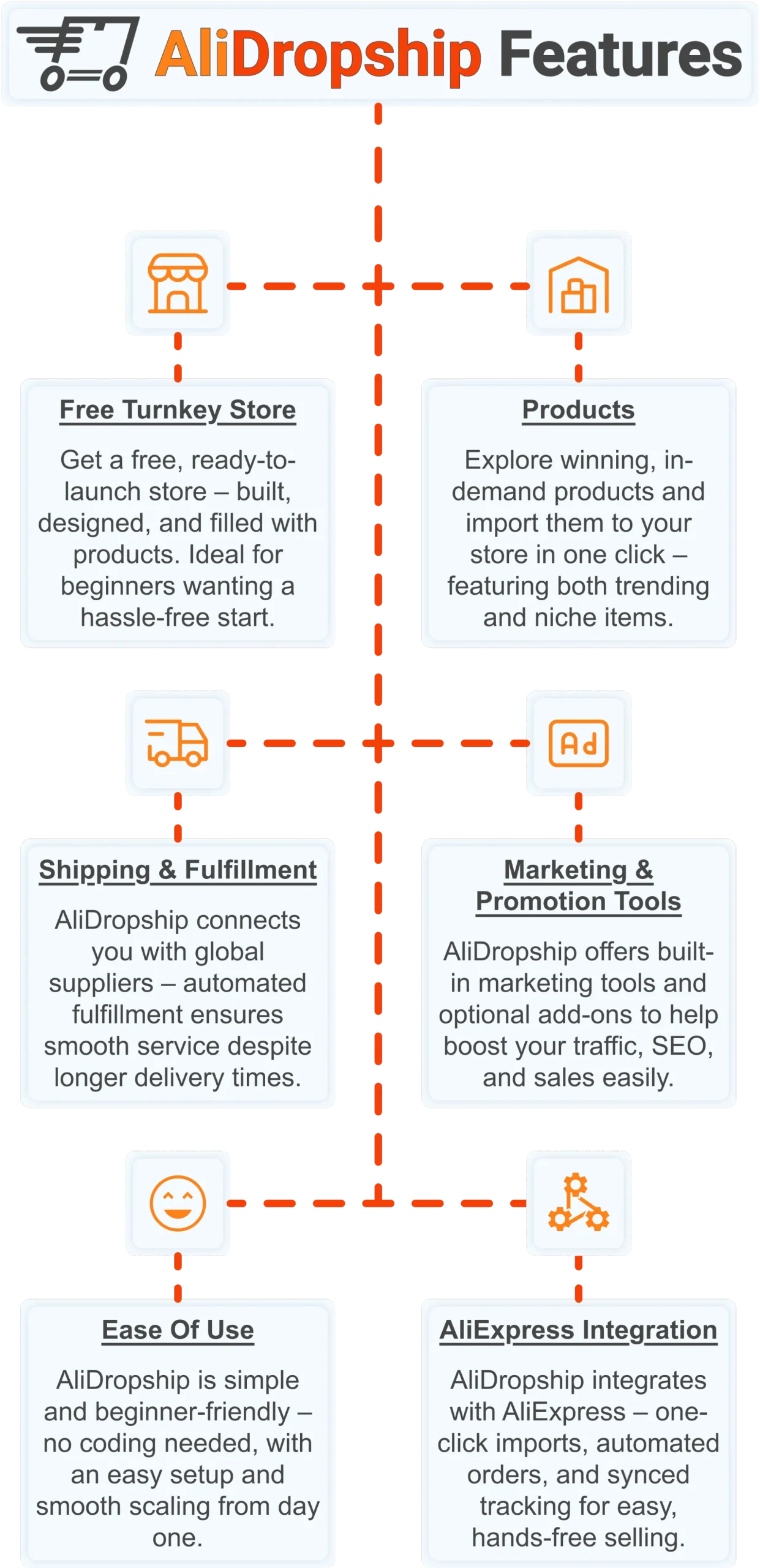
Free turnkey store ️
Get a free turnkey store – built, designed, and filled with products. Ideal for beginners wanting a hassle-free start, the store comes fully optimized to attract customers right away, saving you time on setup. Plus, it includes professional design elements to give your business a polished, trustworthy look from day one. This ready-made foundation makes it easy to move seamlessly into product selection.
Products
Once your store is set up, you can explore winning, in-demand products and import them in one click – featuring both trending and niche items. This wide selection lets you cater to diverse customer interests and test what works best. Regular updates ensure you always have fresh products, keeping your store competitive and relevant. With great products in place, smooth shipping becomes the next essential step.
Shipping & fulfillment
AliDropship connects you with global suppliers, and automated fulfillment ensures seamless order processing despite international delivery times. Customers receive real-time tracking updates, which builds confidence and trust in your store. Once shipping is handled reliably, you can focus on promoting your store and attracting traffic.
Marketing & promotion tools
To maximize sales, AliDropship offers built-in marketing tools and optional add-ons that help boost traffic, SEO, and conversions. From email campaigns and discounts to social media integration, these tools empower you to reach and retain customers without needing prior marketing experience. With promotion strategies in place, managing your business becomes simpler and more efficient.
Ease of use
AliDropship is beginner-friendly – no coding needed, with an intuitive dashboard that guides you through every step. Easy setup and smooth scaling let you expand your store without stress. As your business grows, adding new features, products, and marketing campaigns remains hassle-free, giving you more time to focus on sales.
AliExpress integration
Finally, AliDropship integrates seamlessly with AliExpress, enabling one-click imports, automated orders, and synced tracking. Your inventory stays up-to-date with the latest products and prices, while automated order processing frees you from manual tasks. Combined with the turnkey setup, reliable shipping, and built-in marketing tools, this integration ensures your dropshipping business is fully equipped for growth and success.
Frequently Asked Questions
How much does YNAB cost and what makes it different?
YNAB costs 14.99 dollars per month or 99 dollars per year and is built around zero based budgeting, where every dollar is assigned a job before it is spent. YNAB users report saving an average of 600 dollars in their first two months, according to the company’s own data, though individual results vary. The app includes goal tracking, debt payoff tools, and a reporting suite that shows trends across months. On Reddit’s r/ynab, which has over 300,000 members, it is common to see people crediting the app with saving thousands of dollars in their first year.
Which budgeting app is best for couples managing shared finances?
Monarch Money and Goodbudget are the two strongest choices for couples, since both are built specifically for collaborative use. Monarch Money costs 14.99 dollars per month or 99.99 dollars per year and combines budgeting, net worth tracking, and investment monitoring in one dashboard. Goodbudget instead uses the envelope budgeting method, letting both partners see the same envelopes updating in real time, with a free plan and a Plus plan at 8 dollars per month. YNAB also supports shared accounts, but its setup is considerably more complex than either of these two options.
Is Copilot budgeting app available on Android?
No, Copilot is iOS only, which means it will not work for a shared household setup if a partner uses Android. It costs 13 dollars per month or 95 dollars per year and uses machine learning to automatically categorize transactions, improving as users correct its suggestions. Its spending trends view breaks down habits month by month and flags anything that looks out of character. For solo iOS users who want a visually refined budgeting experience, it is considered hard to beat.
How much can PocketGuard help you save each month?
PocketGuard’s core feature, called In My Pocket, shows a single number representing how much can safely be spent today after bills, savings goals, and necessities are accounted for. The free version covers most use cases, while the Plus plan costs 12.99 dollars per month and unlocks unlimited accounts and custom categories. If an app like this helps cut even 50 dollars per month in unnecessary spending, it effectively pays for itself many times over during a year. Its bill negotiation feature has received mixed reviews and is best treated as optional rather than a core reason to sign up.
Are budgeting apps safe to connect to a bank account?
Yes, reputable budgeting apps like YNAB, Monarch Money, and Copilot use read only access to bank accounts through third party aggregators such as Plaid or MX, meaning they can view transactions but cannot move money. All major apps use 256 bit encryption, the same standard used by banks, and are subject to regulations such as GDPR in Europe and CCPA in California. No legitimate budgeting app will ever ask for a bank login password directly, and any that do should be avoided. Reading an app’s privacy policy is worth a few minutes of time, since some free tier apps have historically monetized user data.
Budgeting apps help you control your money – but dropshipping can help you grow it. Claim your free AliDropship store and $100 gift voucher today.
 Previous post
