 ‧ Agnes Kazaryan ‧
March 02, 2026
‧ Agnes Kazaryan ‧
March 02, 2026  3064 ‧
 0
0
You’ve probably got clothes sitting in your wardrobe right now that you haven’t touched in a year. Maybe two. And somewhere between “I’ll wear this again someday” and a full closet clear-out, the idea of actually making money from those items starts to feel pretty appealing. The good news: it’s never been easier. The best apps to sell clothes in 2026 let you list, sell, and get paid without leaving your house – sometimes without even photographing the items yourself.
Quick Answer: The best apps to sell clothes in 2026 include Poshmark, Depop, Vinted, eBay, The RealReal, and Etsy – each suited to different clothing types, price points, and seller goals. Beginners do well on Poshmark or Vinted; serious resellers often scale across two or three platforms at once.
Whether you want to clear out a few bags of unwanted pieces or build a consistent resale side hustle bringing in $20–$60 per day, this guide covers the apps that actually deliver – along with honest notes on fees, effort, and realistic income.
What are apps to sell clothes – and why they matter in 2026
Clothes resale apps are dedicated marketplaces – or general platforms with strong clothing categories – that connect sellers directly with buyers online. Instead of running a car boot sale or listing on a cluttered local classifieds board, you upload photos, set a price, and let the platform’s built-in audience do the work.
In 2026, the secondhand clothing market is genuinely enormous. Resale platforms have grown rapidly over the past five years as buyers actively seek affordable, sustainable alternatives to fast fashion. That shift benefits sellers – there are more motivated buyers, better search tools, and faster payment processing than ever before.
What makes the best apps to sell clothes stand out is a combination of low friction for the seller, a large and relevant buyer pool, and reasonable fees that don’t eat all your margin before you see a cent.
How much can you realistically earn selling clothes through apps
Income from selling clothes online varies a lot depending on what you’re selling, how much effort you put in, and which platform you use. Here’s a realistic breakdown:
These figures reflect what active sellers report across Reddit communities and platform reviews – not best-case scenarios. Most casual sellers clear $100–$400 from an initial wardrobe sort. Resellers who treat it like a part-time job typically reach $200–$600/month within 60–90 days once they find their sourcing rhythm.
Important note: Platform fees, shipping costs, and the time spent sourcing all reduce your take-home. Always calculate net profit, not just the sale price, before committing to a platform.
Best apps to sell clothes for all seller types
These platforms handle almost every clothing category and work well whether you’re a first-time seller or a seasoned reseller building a brand.
Poshmark
Poshmark is one of the most established names in the clothes resale space and remains a strong first choice for new sellers in 2026. It has a social feed structure – you follow other sellers, share listings, and engage with the community to increase visibility. That social element takes a little getting used to, but it meaningfully improves how quickly your items sell compared to just listing and waiting.
Poshmark takes a flat $2.95 commission on sales under $15, and 20% on anything above that. Prepaid shipping labels are provided, which removes one common pain point for beginners. The platform skews toward brand-name and trendy women’s clothing, but menswear and kids’ items sell well too.
Earning potential: $5–$60 per item depending on brand and condition. Active sharers can move 15–30 items per month.
Depop
Depop has carved out a very specific corner of the market – vintage, Y2K, streetwear, and anything with a distinct visual identity. If your wardrobe leans that way, or if you’re sourcing from charity shops and vintage markets, Depop’s buyer demographic is almost perfectly aligned. The app is predominantly used by people aged 18–30 who are actively looking for pieces with character.
Depop charges a 10% selling fee and integrates with PayPal for payments. Listings that get strong photo engagement tend to rank higher in search, so presentation matters more here than on other platforms.
Why this works in 2026: Demand for secondhand and vintage fashion continues to grow among younger buyers who are consciously stepping away from fast fashion retailers. Depop sits directly in that lane.
eBay
eBay is the broadest of the three. You can list anything from a basic high street top to a rare archive designer piece, and both will find buyers if priced correctly. The auction format is genuinely useful for items where you’re unsure of value – let bidding determine the price rather than guessing. Fixed-price listings work well for everyday items.
eBay fees vary by category but typically run 12–15% of the final sale price including shipping. International shipping opens up a much larger pool of buyers, which matters for niche or high-value items.
Earning potential: Highly variable – $3 for a basic item to $300+ for sought-after vintage or designer pieces.
Best apps for selling second-hand and thrifted clothes
If your focus is affordable, everyday clothing – the kind of pieces most people actually wear – these platforms are built for exactly that market.
Vinted
Vinted is one of the most seller-friendly apps in this category because it charges zero selling fees. The buyer covers a small service fee at checkout, which means you receive exactly what you list as your asking price. Shipping is handled via integrated labels, and the app is genuinely simple to use.
Vinted works best for everyday high street clothing. Luxury items don’t tend to perform as well here because the buyer audience is primarily budget-conscious. But for volume selling of accessible fashion, it’s hard to beat.
Important: Vinted is strongest in the UK and across Europe. US-based sellers may find the buyer pool thinner depending on their location.
ThredUp
ThredUp operates on a consignment model rather than a traditional listing format. You pack your items into a clean-out bag, ship it to them, and they handle photography, listing, and selling. In return, you receive a percentage of the sale price – which varies based on the item’s value.
The trade-off is control. You don’t set prices, you don’t write descriptions, and you don’t choose which items get listed – ThredUp rejects items that don’t meet their standards. But for sellers who don’t want to invest time in the listing process, it offers a genuinely hands-off option.
Earning potential: 5–80% of the resale price depending on item value. Higher-value items earn a larger percentage share.
Mercari
Mercari sits somewhere between eBay and Poshmark in feel – it’s a general marketplace with a strong clothing category and a simple listing process. Buyers can make offers, which creates natural price negotiation without it feeling aggressive. Prepaid shipping labels are available, and payment is straightforward.
Mercari charges a 10% selling fee plus a small payment processing fee. It’s a solid secondary platform to use alongside Poshmark or eBay rather than a standalone primary choice for most clothing sellers.
Best apps to sell designer and luxury fashion
High-end clothing requires a different approach. Buyers spending $200–$2,000+ on a pre-owned item need confidence in authenticity, condition, and the reputation of the platform they’re buying through. These apps provide that assurance.
The RealReal
The RealReal is the dominant name in authenticated luxury resale. You submit your items, their team authenticates and photographs them, and they handle the sale entirely. Commission rates are tiered – the more you sell, the better your percentage – but even at the lower end, you’re working with a trusted platform that commands premium prices from buyers.
It’s worth noting that The RealReal is selective. Items in poor condition or from brands outside their accepted list won’t be listed. But for genuine designer pieces in good condition, it consistently outperforms general platforms on final sale price.
Vestiaire Collective
Vestiaire Collective is particularly strong for European luxury brands and has a large international buyer base. Items go through an authentication review before being shipped to buyers, which adds a layer of trust that justifies higher price points. Sellers can choose between direct shipping (faster payout, no authentication delay) or the full authentication service.
Fees run around 12–15% of the sale price plus a fixed selling fee. The platform is worth considering if you have Chanel, Hermès, Gucci, or similarly high-profile pieces.
Tradesy
Tradesy focuses on designer fashion and accessories with a simple listing process. Sellers set their own prices, Tradesy provides a prepaid shipping kit, and the platform offers counterfeit protection. Commission is 19.8% on sales above $50. It’s a reliable option for mid-to-high-end pieces if The RealReal’s consignment model doesn’t suit your timeline.
Best apps for selling handmade and custom clothing
If you design, sew, customise, or upcycle clothing rather than reselling existing pieces, the platforms above aren’t the right fit. These apps are built for creative sellers.
Etsy
Etsy is the go-to marketplace for handmade clothing, accessories, and heavily customised pieces. It has a large, engaged buyer base actively looking for items they can’t find on the high street. Custom orders and personalisation options are built into the platform, which opens up a repeat-customer dynamic that pure resale apps don’t offer.
Fees include a $0.20 listing fee per item, a 6.5% transaction fee, and payment processing costs. Building an Etsy store takes longer than listing on Poshmark or Depop, but the brand-building potential is significantly higher for creative sellers with a distinct aesthetic.
Instagram Shops
Instagram Shops work best when you already have an audience – or are actively building one. The platform integrates product listings directly into posts and stories, allowing followers to purchase without leaving the app. For boutique sellers, designers, or anyone with a visual brand identity, Instagram removes friction between content and conversion in a way other platforms don’t replicate.
Why this works in 2026: Instagram’s shopping features have matured significantly, and the combination of organic content reach with in-app purchasing makes it one of the most cost-effective sales channels for clothing sellers with an established following.
Facebook Marketplace
Facebook Marketplace remains the best option for genuinely local sales with zero fees. It works particularly well for bulkier items where shipping costs would eat into margins, or for casual sellers who want to hand items over in person. It lacks the fashion-specific buyer intent of dedicated apps, but the absence of fees makes it worth listing alongside other platforms.
How to choose the right app to sell your clothes
With a dozen platforms available, it’s tempting to list everywhere at once. In practice, spreading too thin creates more admin than profit. Here’s how to narrow it down based on what you actually have to sell.
Start with the type of clothing. Designer and luxury pieces belong on The RealReal or Vestiaire Collective. Vintage and streetwear goes to Depop first. Everyday high street fashion performs well on Vinted or Poshmark. Handmade and custom work belongs on Etsy or Instagram.
Then consider your available time. If you want a hands-off process, ThredUp or The RealReal’s consignment model removes most of the seller workload. If you’re willing to invest time in photography and listing, Poshmark and eBay give you more control over price and presentation.
Finally, look at fees relative to the price point of your items. A 20% commission on a $10 item leaves very little after shipping. For lower-priced pieces, Vinted’s zero-fee structure is far more efficient. For high-value items, a 15–20% fee is easier to absorb when the sale price is $100+.
Important note: Many experienced resellers use two platforms simultaneously – typically one for everyday items (Vinted or Mercari) and one for more curated or higher-value pieces (Poshmark or eBay). Cross-listing tools like Vendoo can automate this without doubling your listing time.
Tips to sell clothes faster and make more money
Platform choice matters, but how you present your items matters just as much. These are the practices that consistently separate fast sellers from listings that sit unsold for months.
Photography
Natural light, a plain background, and multiple angles – including any flaws – result in significantly more sales than a single dark photo taken on a cluttered floor. On platforms like Depop and Poshmark, photo quality directly influences search ranking. A few minutes of effort per listing pays back repeatedly.
Descriptions
Include brand, size, fabric, condition, and any visible wear or damage. Buyers who receive exactly what was described leave positive reviews. Buyers who feel misled don’t return and sometimes open disputes. Accurate descriptions also reduce the time you spend answering messages asking for basic information.
Pricing
Search for identical or comparable items already sold on the platform – not just listed, but sold. Sold prices reflect what buyers actually pay, not seller aspirations. Price competitively from the start rather than listing high and reducing repeatedly, which can make an item look like it has a problem.
Promotion
On Poshmark, sharing your listings daily to your followers keeps them visible in feeds. On Depop, refreshing listings and engaging with the community improves algorithm placement. On eBay, promoted listings at a 2–4% ad rate increase visibility at a low cost relative to the potential uplift in sale speed.
Bundling
Offering a small discount for buyers who purchase two or more items from your store reduces your cost per transaction and increases average order value. Many platforms have built-in bundle discount features – enabling them costs nothing and consistently increases completed sales.
Legal and ethical considerations when selling clothes online
Most clothing resellers operate without any legal complications, but there are a few things worth being clear on before you scale up.
Key principle: If you’re selling regularly and generating consistent income from clothing resale, you may be considered a trader rather than a casual seller in your jurisdiction – which comes with tax reporting obligations.
In the US, platforms like eBay, Poshmark, and Mercari are required to issue 1099-K forms to sellers who exceed certain annual income thresholds. Keep basic records of what you paid for items and what you sold them for, especially if you’re sourcing from thrift stores or markets.
On authenticity – never misrepresent items as genuine designer goods if you’re not certain of their provenance. Platforms take counterfeit listings seriously and will permanently ban accounts. Buyers on luxury platforms have authentication protections and will dispute sales where fakes are identified.
Finally, be honest about condition. “Like new” means no visible wear. “Good condition” means minor signs of use. Overstating condition generates returns, negative feedback, and dispute resolutions that cost you time and money.
Final thoughts – choosing the best app to sell your clothes in 2026
There’s no single best app to sell clothes that works for everyone – the right platform depends on what you’re selling, how much time you have, and what you want to earn. Here’s a quick summary by seller profile:
Complete beginner: Start with Vinted for fee-free simplicity, or Poshmark if you want a more community-driven experience with built-in shipping. List 10–20 items, get a feel for what sells, then decide if you want to go deeper.
Intermediate / part-time seller: Use two platforms in parallel – Poshmark or Mercari for everyday branded clothing, plus eBay for anything with higher resale value or niche appeal. Aim to list 5–10 items per week consistently. Most part-time resellers in this range reach $200–$600/month within 60–90 days.
Advanced / full-time goal: Build a multi-platform presence across Poshmark, eBay, and Depop (or Vestiaire Collective for luxury). Invest in a cross-listing tool, systematise your sourcing, and treat photography and descriptions as a non-negotiable standard. Full-time resellers consistently report $1,500–$4,000+/month once sourcing and listing volume are dialled in.
Whatever stage you’re at, the apps listed in this guide give you everything you need to start selling clothes and making real money from your wardrobe in 2026.
AliDropship: Your complete all-in-one solution for starting dropshipping in 2026
If you want the simplest possible way to start dropshipping – especially if you’re brand new – AliDropship remains one of the most beginner-friendly tools available in 2026. It brings together store creation, product imports, automation, and marketing into a single streamlined system designed to help you launch quickly and grow confidently.
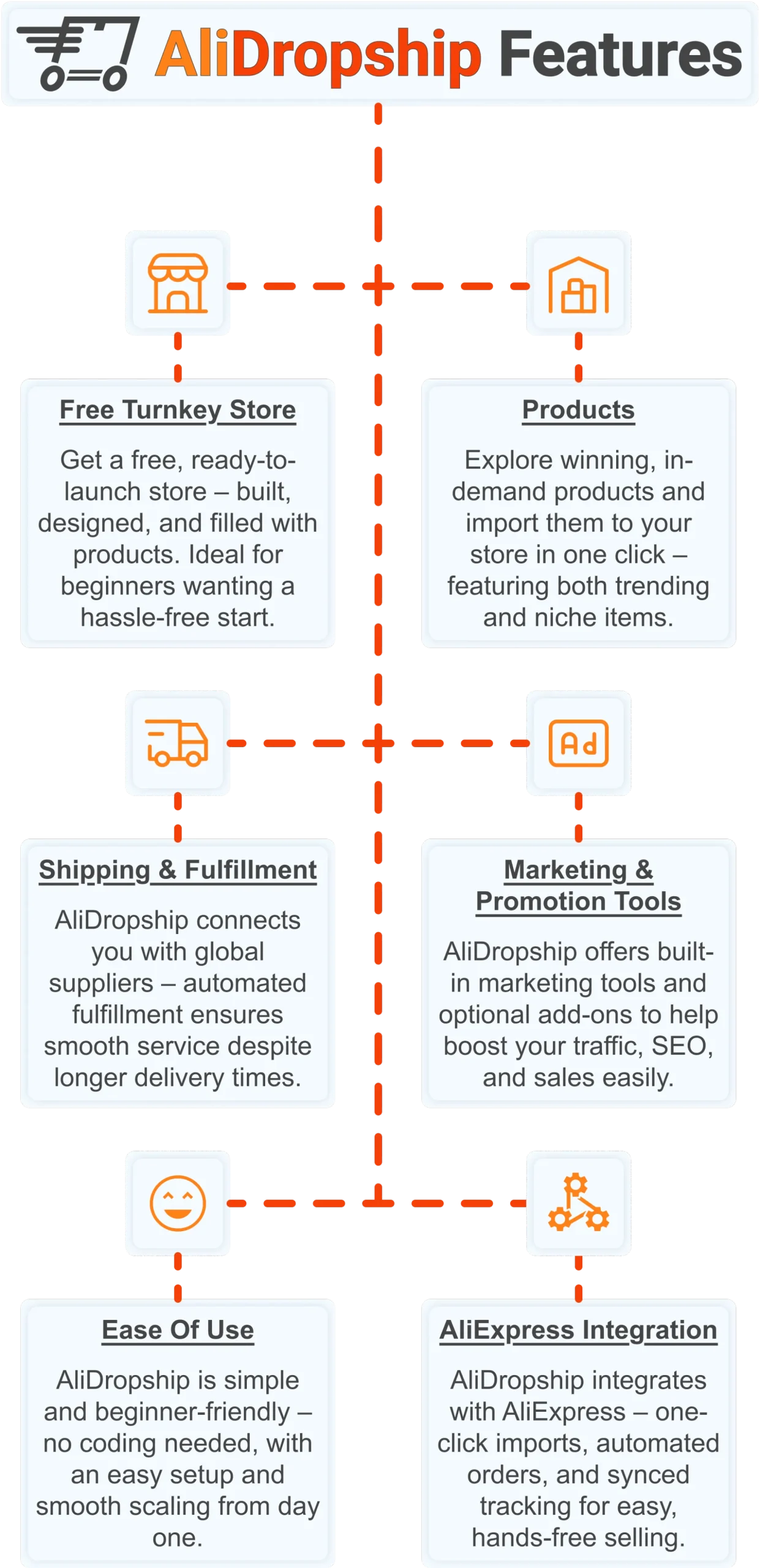
Free turnkey store ️
Get a free turnkey store – built, designed, and filled with products. Ideal for beginners wanting a hassle-free start, the store comes fully optimized to attract customers right away, saving you time on setup. Plus, it includes professional design elements to give your business a polished, trustworthy look from day one. This ready-made foundation makes it easy to move seamlessly into product selection.
Products
Once your store is set up, you can explore winning, in-demand products and import them in one click – featuring both trending and niche items. This wide selection lets you cater to diverse customer interests and test what works best. Regular updates ensure you always have fresh products, keeping your store competitive and relevant. With great products in place, smooth shipping becomes the next essential step.
Shipping & fulfillment
AliDropship connects you with global suppliers, and automated fulfillment ensures seamless order processing despite international delivery times. Customers receive real-time tracking updates, which builds confidence and trust in your store. Once shipping is handled reliably, you can focus on promoting your store and attracting traffic.
Marketing & promotion tools
To maximize sales, AliDropship offers built-in marketing tools and optional add-ons that help boost traffic, SEO, and conversions. From email campaigns and discounts to social media integration, these tools empower you to reach and retain customers without needing prior marketing experience. With promotion strategies in place, managing your business becomes simpler and more efficient.
Ease of use
AliDropship is beginner-friendly – no coding needed, with an intuitive dashboard that guides you through every step. Easy setup and smooth scaling let you expand your store without stress. As your business grows, adding new features, products, and marketing campaigns remains hassle-free, giving you more time to focus on sales.
AliExpress integration
Finally, AliDropship integrates seamlessly with AliExpress, enabling one-click imports, automated orders, and synced tracking. Your inventory stays up-to-date with the latest products and prices, while automated order processing frees you from manual tasks. Combined with the turnkey setup, reliable shipping, and built-in marketing tools, this integration ensures your dropshipping business is fully equipped for growth and success.
Frequently Asked Questions
What is the best app to sell clothes for beginners?
Vinted is a strong starting point because it charges zero selling fees, meaning sellers receive exactly what they list as their asking price. Poshmark is another good option for beginners, offering prepaid shipping labels and a social feed structure that helps items sell faster. Poshmark does charge a flat 2.95 commission on sales under 15, and 20 percent on anything above that. Most beginners are advised to list 10 to 20 items first to get a feel for what sells before committing to a single platform.
How much commission does Poshmark take on sales?
Poshmark takes a flat 2.95 commission on any sale under 15, and 20 percent on sales above that amount. In return, sellers get prepaid shipping labels, which removes a common pain point for people new to reselling. The platform skews toward brand name and trendy women clothing, though menswear and kids items also sell reasonably well. Active sellers who share listings daily can move 15 to 30 items per month.
Which app is best for selling designer or luxury clothing?
The RealReal is the dominant name in authenticated luxury resale, handling authentication, photography, and the entire sale process for sellers. Vestiaire Collective is particularly strong for European luxury brands and offers both direct shipping and a full authentication service. Tradesy charges a commission of 19.8 percent on sales above 50 and includes counterfeit protection for buyers. Fees on Vestiaire Collective typically run around 12 to 15 percent of the sale price plus a fixed selling fee.
How much money can you realistically make selling clothes online?
A casual wardrobe clear out typically brings in 50 to 300 total, since the effort involved is usually just listing once and waiting for sales. Part time resellers who spend 5 to 10 hours a week thrifting and listing tend to earn 200 to 600 per month within 60 to 90 days. A full time clothing resale business involving daily sourcing and listing can bring in 1500 to 4000 or more per month. Platform fees and shipping costs should always be subtracted from the sale price to calculate real profit.
Do you have to pay taxes on money made from selling clothes online?
In the US, platforms including eBay, Poshmark, and Mercari are required to issue 1099-K forms to sellers who exceed certain annual income thresholds. Selling regularly and generating consistent income from clothing resale may classify someone as a trader rather than a casual seller in their jurisdiction. Traders typically face tax reporting obligations that casual sellers do not. Keeping basic records of what items cost and what they sold for helps avoid problems at tax time, especially for anyone sourcing from thrift stores or markets.
If selling clothes online has shown you the potential of ecommerce, dropshipping is the logical next step – wider product range, no inventory, and full automation from day one. Claim your free AliDropship store and $100 gift voucher to get started today.
 Previous post
