 ‧ Agnes Kazaryan ‧
March 06, 2026
‧ Agnes Kazaryan ‧
March 06, 2026  1799 ‧
 0
0
There are a lot of sneaker brands out there, and most of them claim to be the best. But “best” means something different depending on whether you need support for a 10k run, a pair that works with every outfit, or a limited drop that nobody else on the block is wearing. The honest answer? There is no single winner – just the right fit for you.
Quick Answer: The top sneaker brands in 2026 are Nike, Adidas, New Balance, Vans, and Converse for mainstream buyers, with On, HOKA, and a handful of independent labels leading the way for niche and performance-focused shoppers.
This guide breaks down what actually separates the major players from the emerging names – covering comfort, build quality, price, sustainability, and style. By the end, you will know exactly what to look for and which sneaker brands are worth your money in 2026.
What are sneaker brands and why do they matter?
A sneaker brand is more than a logo on a shoe. It represents a design philosophy, a target customer, and years of decisions about materials, technology, and aesthetics. Nike built its identity around athlete performance. Vans built theirs around skateboarding culture. New Balance built theirs around fit and function for everyday wearers. Each of those choices shapes the product you actually get.
Why does that matter to you? Because two pairs of sneakers at the same price point can feel completely different – in durability, comfort, and how they hold up after six months of daily use. Knowing what a brand stands for helps you predict what you are getting before you spend a cent.
Sneaker brands also carry cultural weight. The Adidas three stripes, the Nike Swoosh, and the Converse star are recognized worldwide. That recognition affects resale value, collaboration potential, and even how people perceive you wearing them. None of that is shallow – it is just how the market works.
How much do sneaker brands actually cost?
Most buyers find the sweet spot in the $80–$150 range, where mainstream sneaker brands like Nike, Adidas, and New Balance offer their core models. Premium pricing above $150 often reflects either advanced performance technology or limited-run hype – not always both.
Important note: Price does not always equal quality. A $90 New Balance 990 will outlast plenty of $200 fashion collabs if durability is what you need.
The major sneaker brands – and what each one is actually good at
These are the names most people already know. But knowing why they are popular – and where each one genuinely excels – helps you choose between them rather than just defaulting to the biggest logo.
Nike
Nike sits at the top of the sneaker brands list for a reason. The brand has spent decades pairing genuine athletic innovation with strong cultural storytelling. The Air Zoom Pegasus remains a benchmark for running shoes. The Air Force 1 is one of the most recognizable silhouettes in streetwear history. Nike consistently bridges performance and lifestyle in a way few competitors manage.
Where Nike wins: brand recognition, innovation pipeline, and an almost unmatched range of styles from running to basketball to casual. Where it falls short: popular models are everywhere, so exclusivity is hard to find at standard retail prices.
Why this works in 2026: Nike’s hybrid models – performance tech in lifestyle silhouettes – align perfectly with the current trend of all-day wearability.
Adidas
The three stripes brand has a strong claim as the most versatile of the top sneaker brands. Originals like the Stan Smith and the Superstar have stayed relevant for 50+ years without needing major redesigns. At the same time, the Ultraboost line proves Adidas can compete with anyone on running performance.
Adidas also leads the major brands on sustainability, with several lines using ocean plastic and recycled content. If you want a brand that covers fashion, performance, and eco-credentials in one place, Adidas is hard to beat.
Earning potential: Adidas resale values on limited Originals drops can reach $200–$600+ per pair, though this requires good timing and market knowledge.
New Balance
New Balance has had one of the most remarkable reputation shifts in sneaker history. Once mainly known as the “dad shoe,” models like the 990 and 574 are now fashion staples worn by everyone from teenagers to celebrities. The reason is simple – the shoes are genuinely comfortable and built to last.
New Balance is also one of the few major brands still manufacturing some models in the US and UK, which adds credibility for buyers who care about production standards. If comfort and longevity are your priorities, this is the brand to look at first.
Vans
Vans built its entire identity on skate culture and casual self-expression. The Old Skool and Slip-On are two of the most low-maintenance sneakers you can own – simple to style, durable enough for daily use, and available in hundreds of colorways. Vans is not trying to compete on performance metrics, and that focus on straightforward wearability is exactly what keeps it relevant.
Converse
The Chuck Taylor All Star has been in production since 1917. That is not a typo. Converse has survived every fashion cycle by staying true to a single, instantly recognizable silhouette. It is not the most comfortable shoe you will ever own, but it pairs with almost anything and carries a cultural history that newer brands simply cannot replicate.
Important: Converse offers minimal arch support, so it is worth considering insoles if you are on your feet all day.
Niche and emerging sneaker brands worth knowing in 2026
The most interesting ideas in sneakers rarely start with the biggest names. Niche and emerging labels are where design risks get taken – and where you find pairs that nobody else is wearing yet.
On Running
The Swiss brand On started as a performance running label, but its clean, minimalist aesthetic made it a lifestyle crossover success. The CloudMonster and Cloud 5 have become recognizable beyond the running world. On sits at the premium end of the price range ($130–$180), but the cushioning technology is genuinely different from anything the big brands offer.
HOKA
HOKA became famous for maximum cushioning – shoes that looked almost comically thick when they launched. That cushioning turned out to be exactly what long-distance runners and people with joint issues needed. Now HOKA has a full lifestyle range, and its Clifton and Bondi models appear regularly on people who have never run a race in their life. Comfort-first buyers should try these.
Eytys
A Stockholm-based label known for chunky platforms and bold silhouettes. Eytys is firmly in fashion-sneaker territory – you are paying for design and individuality rather than technical performance. Limited runs mean you are unlikely to see the same pair on 10 other people.
Flower Mountain
A Japanese brand that blends vintage trail aesthetics with craft-level detailing. Flower Mountain sneakers attract buyers who want something artisan in a market dominated by mass production. The price points are higher, but the construction and materials reflect the cost.
Why this works in 2026: As mainstream sneaker brands saturate the market, niche labels offer the differentiation that both individual buyers and dropshipping store owners can use to stand out.
How to compare sneaker brands: 5 things that actually matter
Walking into a sneaker store – or browsing online – without a framework leads to impulse buys you regret. Here are five criteria worth applying to any pair before you commit.
Comfort and fit
Sizing is not consistent across sneaker brands. A size 10 in Nike often runs slightly narrower than a size 10 in New Balance. Always check brand-specific sizing notes, especially when buying online. If you have wide feet, New Balance and HOKA are known for accommodating fit. If you prefer a snug, wrapped feel, Nike and Adidas tend to run closer to standard sizing.
Materials and build quality
Leather, mesh, knit, and suede all behave differently over time. Leather is durable and easy to clean. Mesh breathes better but can wear faster. Knit conforms to your foot but requires more care. Check what the upper and sole are made from before buying – especially for sneakers you plan to wear daily.
Style and everyday use
Some sneakers are genuinely versatile – they work with jeans, chinos, and casual trousers without effort. Others are designed for a specific context: running, skate parks, or dressed-up streetwear looks. Match the shoe to how you actually live, not how you imagine you might live.
Value for money
A $120 pair that lasts three years costs less per wear than a $60 pair that falls apart after eight months. Think in terms of cost-per-wear, not sticker price. Also consider what you are actually paying for – performance tech, heritage branding, or exclusivity. Each has its own logic, but you should know which one applies.
Ethics and sustainability
Adidas, Nike, and New Balance have all published sustainability roadmaps with measurable targets. Smaller brands like On and Veja go further, with carbon-neutral shipping and plant-based materials. This does not have to be your top priority – but it is a useful signal about how seriously a brand takes its own quality standards.
Sneaker trends shaping the market in 2026
Knowing what is trending helps you buy ahead of the curve – and if you are selling sneakers, it helps you stock the right products at the right time.
Performance-lifestyle crossover
Running and training technology is no longer confined to sport contexts. Brands are designing shoes with marathon-grade cushioning that look clean enough for everyday wear. On Running, HOKA, and even Nike’s Invincible line are leading this shift. The result is footwear that does not compromise – you get the comfort of a performance shoe without sacrificing style.
Retro revivals
Early-2000s silhouettes are back in force, and they are not going anywhere soon. New Balance’s 530 and 2002R, Adidas’s Samba, and Nike’s Air Max 95 are all seeing strong demand. The appeal is simple – familiar shapes with updated materials and colorways that feel current without being loud.
Sustainability as a baseline
Eco-friendly production has moved from niche selling point to baseline expectation among younger buyers. Brands using recycled materials, reducing carbon in manufacturing, and offering repair programs are gaining ground. This is not just an ethical story – it often signals better material quality overall.
Niche collaborations
The most talked-about releases in 2026 are not the biggest brand’s flagship lines – they are unexpected collaborations. Think independent designers partnering with heritage brands, or outdoor labels crossing into street footwear. These drops generate cultural noise that paid advertising cannot buy.
Ethics and things to watch out for when buying sneakers
The sneaker market has a few grey areas worth knowing about before you spend money.
Key principle: If a deal looks significantly below market price for a branded sneaker, assume it is a counterfeit until proven otherwise.
Counterfeits
Fake Nike, Adidas, and New Balance sneakers are widely available on unofficial marketplaces. They often look convincing in photographs but use inferior materials that break down quickly. Stick to official brand stores, authorized retailers, or verified resale platforms like StockX and GOAT if you are buying second-hand or limited-run pairs.
Resale hype and artificial scarcity
Limited drops are designed to create urgency. Some buyers use bots to purchase entire stock allocations and resell at 200–400% markups. If you are buying to wear, not to resell, it is rarely worth paying resale prices. Wait for restocks or look for similar models that were not subject to the same hype cycle.
Greenwashing
Not every brand that uses the word “sustainable” has meaningful environmental commitments. Look for specific targets – percentage of recycled content, carbon reduction by a set year, or third-party certifications – rather than vague marketing language.
Important: Brands with genuine sustainability programs usually publish detailed annual reports. If you cannot find specific numbers, treat the claim skeptically.
Final thoughts: how to choose the right sneaker brand for you
There is no single best sneaker brand – only the best one for your situation. Here is a quick breakdown by reader profile.
Complete beginner
Start with Nike or Adidas at the $80–$120 range. Both brands offer reliable quality, easy sizing, and styles that work across most occasions. The Nike Air Max 270 and the Adidas Stan Smith are safe first choices that will not date quickly.
Intermediate buyer
If you already own the basics and want something with more character, look at New Balance for comfort-first purchases or explore On Running and HOKA if performance matters. Vans and Converse work well as inexpensive staples you can rotate in without overthinking it.
Advanced or style-focused buyer
Explore niche sneaker brands like Eytys, Flower Mountain, or Salehe Bembury’s collaborations. Follow independent retailers and sneaker culture accounts to catch limited drops early. At this level, you are building a collection, not just buying shoes – so prioritize what genuinely excites you over what is currently hyped.
Whatever your level, the framework stays the same: comfort first, materials second, style third, value fourth. Get those right and the brand almost selects itself.
AliDropship: Your complete all-in-one solution for starting dropshipping in 2026
If you want the simplest possible way to start dropshipping – especially if you’re brand new – AliDropship remains one of the most beginner-friendly tools available in 2026. It brings together store creation, product imports, automation, and marketing into a single streamlined system designed to help you launch quickly and grow confidently.
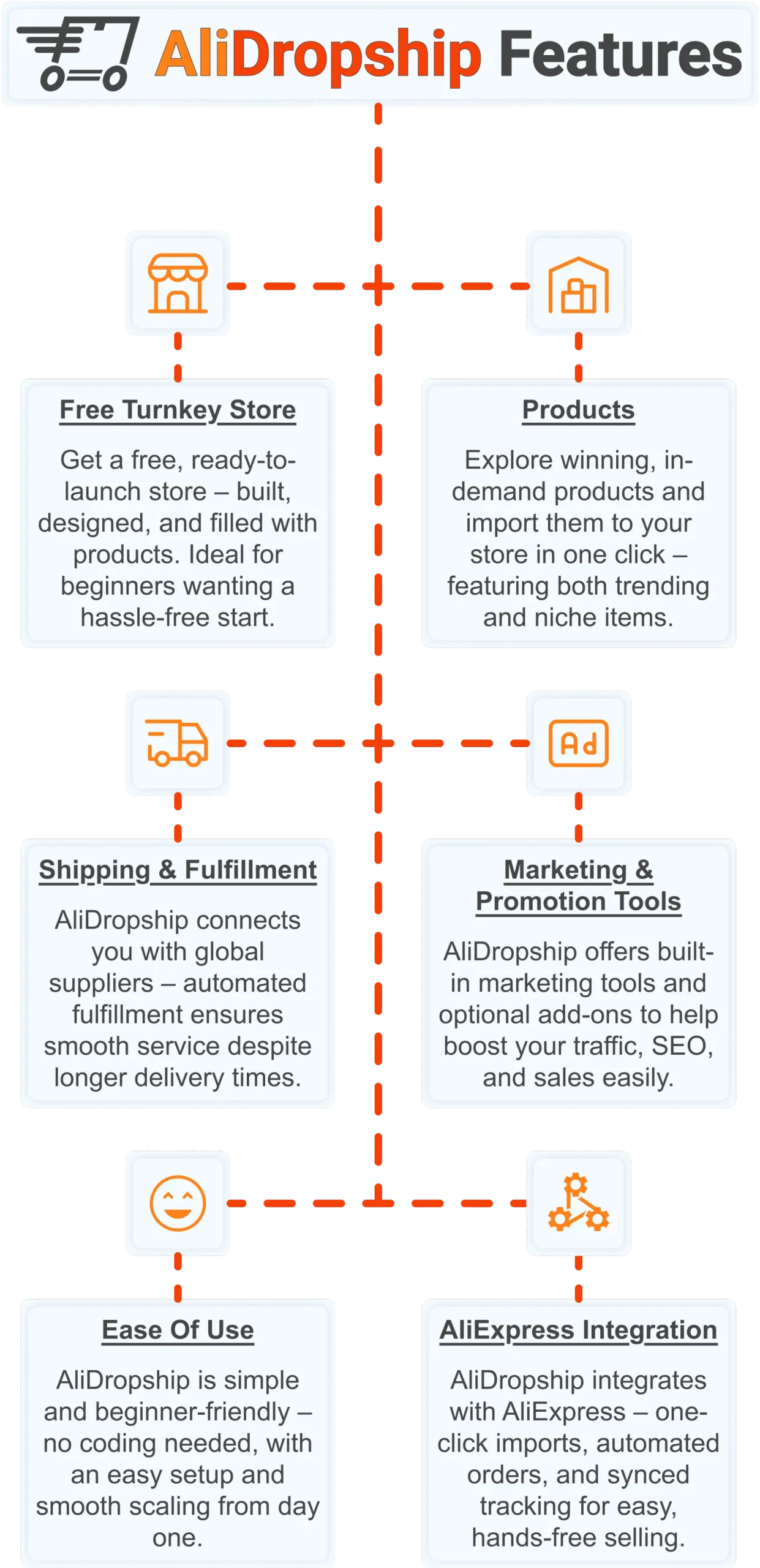
Free turnkey store ️
Get a free turnkey store – built, designed, and filled with products. Ideal for beginners wanting a hassle-free start, the store comes fully optimized to attract customers right away, saving you time on setup. Plus, it includes professional design elements to give your business a polished, trustworthy look from day one. This ready-made foundation makes it easy to move seamlessly into product selection.
Products
Once your store is set up, you can explore winning, in-demand products and import them in one click – featuring both trending and niche items. This wide selection lets you cater to diverse customer interests and test what works best. Regular updates ensure you always have fresh products, keeping your store competitive and relevant. With great products in place, smooth shipping becomes the next essential step.
Shipping & fulfillment
AliDropship connects you with global suppliers, and automated fulfillment ensures seamless order processing despite international delivery times. Customers receive real-time tracking updates, which builds confidence and trust in your store. Once shipping is handled reliably, you can focus on promoting your store and attracting traffic.
Marketing & promotion tools
To maximize sales, AliDropship offers built-in marketing tools and optional add-ons that help boost traffic, SEO, and conversions. From email campaigns and discounts to social media integration, these tools empower you to reach and retain customers without needing prior marketing experience. With promotion strategies in place, managing your business becomes simpler and more efficient.
Ease of use
AliDropship is beginner-friendly – no coding needed, with an intuitive dashboard that guides you through every step. Easy setup and smooth scaling let you expand your store without stress. As your business grows, adding new features, products, and marketing campaigns remains hassle-free, giving you more time to focus on sales.
AliExpress integration
Finally, AliDropship integrates seamlessly with AliExpress, enabling one-click imports, automated orders, and synced tracking. Your inventory stays up-to-date with the latest products and prices, while automated order processing frees you from manual tasks. Combined with the turnkey setup, reliable shipping, and built-in marketing tools, this integration ensures your dropshipping business is fully equipped for growth and success.
Frequently Asked Questions
How much do sneaker brands typically cost?
Budget and niche sneaker brands generally range from 40 to 80 dollars, while mid-tier mainstream options fall between 80 and 150 dollars. Premium or limited pairs can run 150 to 300 dollars or more, often reflecting either advanced performance technology or limited-run hype. Most buyers find their sweet spot in the 80 to 150 dollar range, where brands like Nike, Adidas, and New Balance offer their core models. Price does not always equal quality, since a 90 dollar New Balance 990 can outlast plenty of 200 dollar fashion collabs.
Which sneaker brand is best for comfort and everyday wear?
New Balance has shifted from being known as the dad shoe to a genuine fashion staple, with models like the 990 and 574 valued for comfort and durability. It is also one of the few major brands still manufacturing some models in the US and UK. HOKA is another strong option for comfort, known for maximum cushioning that appeals to long-distance runners and people with joint issues. Buyers with wide feet are often steered toward New Balance and HOKA for accommodating fit.
How much can limited edition Adidas sneakers resell for?
Adidas resale values on limited Originals drops can reach 200 to 600 dollars or more per pair, though this depends heavily on timing and market knowledge. Originals like the Stan Smith and Superstar have stayed relevant for more than 50 years without major redesigns. The Ultraboost line also proves Adidas can compete on running performance. Adidas additionally leads major brands on sustainability, using ocean plastic and recycled content in several lines.
How can you tell if sneakers are counterfeit?
Fake versions of Nike, Adidas, and New Balance sneakers are widely available on unofficial marketplaces and often look convincing in photographs but use inferior materials. If a deal looks significantly below market price for a branded sneaker, it should be treated as a likely counterfeit until proven otherwise. Sticking to official brand stores, authorized retailers, or verified resale platforms like StockX and GOAT reduces this risk substantially. Counterfeit pairs typically break down much faster than authentic ones due to lower-quality materials.
Why do niche sneaker brands like On Running and HOKA cost more?
On Running sits at the premium end of the price range, between 130 and 180 dollars, due to cushioning technology that differs meaningfully from what larger brands offer. HOKA became known for maximum cushioning that initially looked unusual but proved effective for long-distance runners and people with joint issues. Niche labels like Eytys and Flower Mountain also price higher due to limited runs and artisan-level construction. As mainstream brands saturate the market, these niche options offer differentiation for buyers seeking something less common.
Sneakers are one of the most consistently in-demand product categories online, and dropshipping them requires zero inventory or upfront stock. Get your free store and start selling the sneaker brands people are already searching for.
 Previous post
