 ‧ Agnes Kazaryan ‧
March 01, 2026
‧ Agnes Kazaryan ‧
March 01, 2026  17 ‧
17 ‧
 0
0
There are hundreds of platforms promising to help you sell more. But which ones actually deliver? If you’re trying to figure out the best selling apps for your situation – whether you’re just starting out or looking to scale – this guide gives you a straight, honest breakdown of what’s worth your time in 2026.
The short answer: the best platform depends on what you’re selling, who you’re selling to, and how much hands-on management you’re willing to do. But a few names keep coming up again and again for good reason.
Quick Answer: The best selling apps in 2026 include Shopify, Amazon Seller, eBay, Etsy, Instagram Shopping, Facebook Marketplace, and Depop – each suited to different product types, audiences, and experience levels.
Whether you want a full standalone store or a ready-made marketplace audience, there’s a selling app that fits. Let’s look at how they stack up – and how to choose the right one for where you’re at right now.
What are the best selling apps?
Best selling apps are platforms or tools that let you list, market, and sell products – either through your own storefront or inside a larger marketplace. Some, like Shopify or BigCommerce, give you full control over your brand and customer experience. Others, like Amazon or eBay, hand you a built-in audience in exchange for fees and less flexibility.
In 2026, the landscape has matured a lot. Buyers are more comfortable than ever shopping on their phones, through social media feeds, and on niche platforms. That means more opportunity – but also more competition. Picking the right app from the start saves you a lot of wasted effort.
The key factors that separate a good selling app from a mediocre one: ease of use, marketing tools, payment security, inventory management, and how well it integrates with the other tools you’re already using. We’ll cover all of those as we go through each platform.
How much can you realistically earn with selling apps?
Earning potential varies hugely depending on which platform you use, what you’re selling, and how seriously you treat it. Here’s a realistic breakdown based on typical results across different approaches:
These are realistic ranges, not guarantees. Most sellers don’t hit the upper end in their first few months. Give yourself 60–90 days of consistent effort before drawing conclusions about what’s working.
Important note: Marketplace platforms like Amazon and eBay give you access to existing buyers, but they charge fees that eat into margins. Standalone store platforms like Shopify offer better margins long-term but require you to build your own traffic from scratch.
Best selling apps for ecommerce businesses
If you’re serious about building a long-term online business – not just making a few one-off sales – these are the platforms that give you the infrastructure to grow.
Shopify
Shopify is consistently one of the most recommended selling apps among entrepreneurs who want full control over their brand. You build your own store, set your own pricing, and own the customer relationship. The platform handles everything from product listings to checkout to email marketing.
The interface is clean and beginner-friendly, and you don’t need to know how to code to get a professional-looking store up. There’s also a huge ecosystem of apps and integrations – SEO tools, abandoned cart recovery, social media selling, and more.
Why this works in 2026: Shopify has continued to expand its built-in tools for multichannel selling, including direct integration with TikTok Shop and Instagram, which reduces how many extra apps you need to manage.
Earning potential: $300–$3,000/month with consistent traffic-building efforts over 60–90 days. Higher with paid ads or influencer marketing.
BigCommerce
BigCommerce is worth considering if you’re building something bigger from day one. It’s designed for stores with more complex needs – multiple sales channels, larger product catalogs, and B2B functionality. The SEO tools are strong, and it handles high-traffic volumes well.
That said, it’s overkill for most beginners. If you’re just starting out and selling a handful of products, Shopify or a dropshipping-focused solution will serve you better. BigCommerce shines once you have a proven product and real growth to manage.
Earning potential: Varies widely – best suited for businesses already generating $10,000+/month and looking to scale further.
Amazon Seller
Amazon gives you access to one of the largest buyer pools in the world. The Amazon Seller app lets you list products, manage orders, track inventory, and monitor performance all from your phone. Fulfillment by Amazon (FBA) means Amazon handles warehousing and shipping for you – a huge time-saver once you’re at volume.
The trade-off is real though: fees are high, competition is fierce, and Amazon can – and does – change the rules. Many sellers on Reddit’s r/FulfillmentByAmazon report spending 3–6 months before seeing consistent profit. Go in with realistic expectations.
Important: Amazon has strict rules around product listings, customer reviews, and seller conduct. Read the policies carefully before you start – account suspensions are more common than most new sellers expect.
Earning potential: $500–$5,000+/month after the initial ramp-up period, depending on niche and inventory investment.
Etsy
Etsy has a built-in audience of buyers specifically looking for handmade, vintage, and unique items. If that’s what you sell, it’s hard to beat – you’re not fighting for generic product searches, you’re reaching people who want exactly what you make.
Setup is straightforward and fees are lower than Amazon’s. Etsy also offers its own ad platform and promotional tools. The main limitation is category: if you’re not selling handmade, craft-adjacent, or vintage goods, you’ll struggle to fit in.
Earning potential: $200–$2,000/month for active sellers with optimized listings and good product photography. Results improve significantly once you build up shop reviews.
Best selling apps for social media and mobile platforms
Not every sale happens on a dedicated ecommerce store. Social selling has grown massively in the last few years, and these platforms are built for buyers who discover products while scrolling – not while actively searching.
Instagram Shopping
Instagram Shopping lets you tag products directly in posts and Reels, turning your content into a storefront. Customers can browse and buy without ever leaving the app. It integrates natively with Shopify and Facebook, which makes inventory management relatively painless if you’re already on those platforms.
The biggest asset Instagram brings is visual discovery. If your products photograph well – fashion, home décor, food, beauty – this is one of the highest-leverage selling channels you can add. Brands with strong creative content can build real revenue here without spending heavily on ads.
Why this works in 2026: Instagram’s algorithm continues to favor product-tagged content in Reels, giving organic reach a real boost for sellers who post consistently.
Earning potential: Highly variable – from $30–$80/day for small accounts with engaged followings to significantly more for established brand accounts with strong creative output.
Facebook Marketplace
Facebook Marketplace is one of the lowest-barrier ways to start selling online. There are no listing fees, setup takes minutes, and you’re immediately visible to local buyers in your area plus Facebook’s wider community.
It works best for physical items, second-hand goods, furniture, and local services. It’s also a smart testing ground – you can validate whether a product has demand before investing in a full store. Facebook Ads integration means you can scale what’s working with paid traffic if you want to go further.
Earning potential: $30–$300/month casually with local selling; higher if you pair it with Facebook Ads and a broader product strategy.
Depop
Depop is where fashion-forward, sustainable, and vintage selling happens. The platform has a strong community feel – users follow each other, share listings, and build audiences almost like a social network. That community dynamic drives organic visibility in a way most other selling apps don’t replicate.
The mobile-first design makes listing quick and easy. If you’re sourcing vintage clothing, thrifted finds, or making your own fashion pieces, Depop puts you in front of exactly the right buyers – mostly Gen Z and younger millennials with real purchasing intent.
Earning potential: $50–$800/month for active fashion sellers, with higher potential for sellers who build a strong Depop following over time.
eBay: still relevant in 2026?
eBay often gets dismissed as old-fashioned, but it’s still one of the most powerful selling apps available – especially for certain types of products. Collectibles, electronics, spare parts, second-hand goods, and niche hobby items perform exceptionally well here. The auction format can drive prices above what you’d get on a fixed-price platform, particularly for rare or in-demand items.
eBay’s international reach is also a genuine differentiator. If you’re selling something with global appeal, eBay gives you access to buyers in markets that other platforms simply don’t cover as well.
The downsides are real too: seller fees add up, customer service expectations are high, and the interface hasn’t aged gracefully. But for the right product category, eBay remains one of the best selling apps you can use in 2026.
Earning potential: $100–$1,500/month depending on inventory volume, product type, and how actively you manage listings.
What to look for when choosing a selling app
There’s no single best selling app for everyone. The right choice depends on a handful of factors that are specific to your situation.
Your product type
Handmade or vintage? Start with Etsy. Fashion and lifestyle? Depop or Instagram Shopping. Mass-market products or branded goods? Amazon or Shopify. Second-hand or local items? Facebook Marketplace or eBay. Match the platform to what you’re actually selling – fighting the platform’s natural audience is an uphill battle.
Your target audience
Where are your ideal customers already spending time? A younger, trend-conscious buyer is more likely to discover you on Instagram or Depop than on Amazon. A practical buyer looking for a specific product will search Amazon or eBay first. Follow your customer, not the platform with the biggest headline numbers.
Fees and margins
Every platform takes a cut. Amazon FBA fees can run 30–40% of your selling price once you add everything up. Etsy charges listing fees plus transaction and payment processing fees. Shopify charges a monthly subscription but lower per-sale fees. Run the numbers before you commit – a platform that looks free up front can quietly destroy your margins.
Scalability
Think about where you want to be in 12 months. If you plan to build a real brand with repeat customers, a standalone store on Shopify or AliDropship will give you more long-term control than a marketplace. If you just want to move products quickly without building infrastructure, a marketplace is fine to start with.
Tips for getting more sales from any selling app
The platform matters, but how you use it matters more. These principles apply across every selling app on this list.
Optimize your listings properly
Good product photography is non-negotiable. Clear, well-lit images on a clean background outperform cluttered or low-quality photos every time. Write descriptions that answer real buyer questions – size, material, what’s included, how long shipping takes. Include keywords buyers actually search for, not just the words that sound good to you.
Use the marketing tools that are already there
Every selling app offers some form of built-in promotion – Amazon Sponsored Products, Etsy Ads, Instagram boosts, Facebook Ads. You don’t need to use paid tools right away, but you should understand them. Even a small budget ($5–$10/day) can generate meaningful data about which products and audiences convert.
Make customer service easy
Fast, clear communication builds trust and drives repeat business. Respond to messages quickly, set accurate delivery expectations, and handle issues without making customers fight for it. On platforms driven by reviews – like Etsy and Amazon – your rating directly affects your visibility. Treat every interaction as part of your long-term reputation.
Track what’s actually working
Every platform gives you analytics. Use them. Which products get the most views? Which convert? What’s your refund rate? Where are buyers dropping off? The sellers who grow fastest are usually the ones who make decisions based on data rather than gut feel. Review your numbers at least weekly when you’re starting out.
Legal and ethical considerations when using selling apps
Selling online comes with real obligations – and most platforms will suspend or ban accounts that ignore them. A few things every seller needs to know before going live.
Key principle: Sell only products you have the right to sell. Counterfeit goods, unauthorized replicas, and products that infringe on trademarks or patents can result in platform bans, legal action, and refund demands you can’t recover from.
On tax: in most countries, income earned through selling apps is taxable. In the US, platforms are required to issue 1099-K forms once you hit $600 in sales (as of 2024 rules). Keep records of your expenses and consult a tax professional if you’re earning consistently – it’s much easier than dealing with a surprise bill later.
On product safety: if you’re selling physical goods – especially anything for children, electrical items, or food-adjacent products – check that they comply with local safety regulations. Amazon and eBay both have strict compliance requirements, and failure to meet them can result in immediate listing removal.
On reviews: don’t buy fake reviews, offer incentives for positive feedback, or review your own products from other accounts. Every major platform has sophisticated detection for this, and the penalties include permanent bans. Build your reputation the honest way – it takes longer but it’s the only approach that actually holds up.
Final thoughts: how to choose the right selling app for you
The best selling app is the one that fits what you’re selling, where your customers are, and how much time and money you can put in right now. Here’s a quick way to think about it based on where you’re starting from:
Complete beginner: Start with Facebook Marketplace or Etsy. Low setup friction, no upfront costs, and real buyers without needing to build traffic from scratch. Once you’ve made a few sales and understand the basics, consider moving to a standalone store.
Intermediate / part-time seller: Shopify or Amazon Seller are your best bets. Shopify gives you brand control and better long-term margins. Amazon gives you immediate access to a massive audience. Many part-time sellers run both – using Amazon to generate cash flow while building a Shopify brand on the side.
Advanced / full-time goal: Think multichannel from day one. A standalone dropshipping store (built on AliDropship or Shopify) as your primary brand, combined with Instagram Shopping for discovery and Amazon or eBay for additional distribution. The sellers generating $3,000–$10,000/month consistently are almost always selling across more than one channel.
Whatever stage you’re at – start with one platform, do it properly, and only add more once you’ve got the first one running smoothly. Spreading yourself too thin early is one of the most common reasons people quit before they see results.
AliDropship: Your complete all-in-one solution for starting dropshipping in 2026
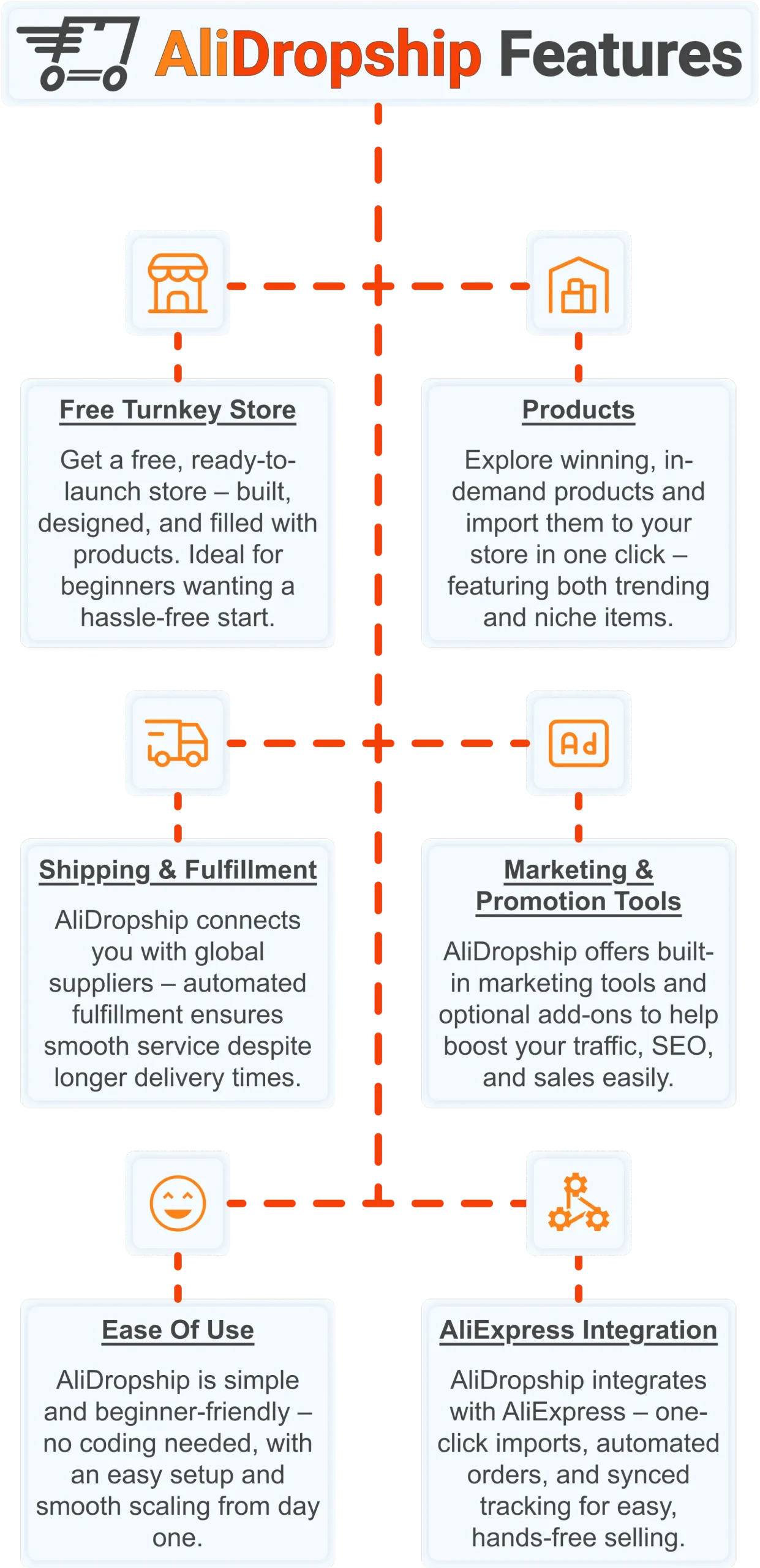
If you want the simplest possible way to start dropshipping – especially if you’re brand new – AliDropship remains one of the most beginner-friendly tools available in 2026. It brings together store creation, product imports, automation, and marketing into a single streamlined system designed to help you launch quickly and grow confidently.
Free turnkey store ️
Get a free turnkey store – built, designed, and filled with products. Ideal for beginners wanting a hassle-free start, the store comes fully optimized to attract customers right away, saving you time on setup. Plus, it includes professional design elements to give your business a polished, trustworthy look from day one. This ready-made foundation makes it easy to move seamlessly into product selection.
Products
Once your store is set up, you can explore winning, in-demand products and import them in one click – featuring both trending and niche items. This wide selection lets you cater to diverse customer interests and test what works best. Regular updates ensure you always have fresh products, keeping your store competitive and relevant. With great products in place, smooth shipping becomes the next essential step.
Shipping & fulfillment
AliDropship connects you with global suppliers, and automated fulfillment ensures seamless order processing despite international delivery times. Customers receive real-time tracking updates, which builds confidence and trust in your store. Once shipping is handled reliably, you can focus on promoting your store and attracting traffic.
Marketing & promotion tools
To maximize sales, AliDropship offers built-in marketing tools and optional add-ons that help boost traffic, SEO, and conversions. From email campaigns and discounts to social media integration, these tools empower you to reach and retain customers without needing prior marketing experience. With promotion strategies in place, managing your business becomes simpler and more efficient.
Ease of use
AliDropship is beginner-friendly – no coding needed, with an intuitive dashboard that guides you through every step. Easy setup and smooth scaling let you expand your store without stress. As your business grows, adding new features, products, and marketing campaigns remains hassle-free, giving you more time to focus on sales.
AliExpress integration
Finally, AliDropship integrates seamlessly with AliExpress, enabling one-click imports, automated orders, and synced tracking. Your inventory stays up-to-date with the latest products and prices, while automated order processing frees you from manual tasks. Combined with the turnkey setup, reliable shipping, and built-in marketing tools, this integration ensures your dropshipping business is fully equipped for growth and success.
If you’re ready to go beyond selling apps and build a business you fully own, AliDropship gives you everything you need in one place. Claim your free store and a $100 gift voucher to get started today.
 Previous post
