 ‧ Agnes Kazaryan ‧
March 06, 2026
‧ Agnes Kazaryan ‧
March 06, 2026  6 ‧
6 ‧
 0
0
There are thousands of travel apps out there. But when you’re standing in a foreign airport at midnight trying to find your hotel, or scrambling to convert currencies at a market stall, you don’t want to be digging through a cluttered phone. You want the right apps, already installed and ready to go.
Quick Answer: The best travel apps in 2026 cover five core needs – flight and hotel booking, itinerary planning, local experiences, currency management, and navigation. The top picks include Skyscanner, TripIt, Tripadvisor, Revolut, and Google Maps. Read on for the full breakdown by category.
Whether you’re a first-time solo traveller or a seasoned road tripper, having the best travel apps on your phone makes a real difference. We’re talking fewer missed connections, smarter spending, and a lot less stress. This guide cuts through the noise and gives you exactly what you need – organised by what each app is actually good for.
What counts as a travel app in 2026?
The term gets used loosely. Some people mean flight aggregators. Others mean maps, translation tools, or budgeting apps. For this guide, a travel app is any app that directly helps you plan, book, navigate, or manage a trip – from pre-departure research all the way through to getting home.
In 2026, the best travel apps have moved well beyond basic search. They connect to your email to auto-import bookings, offer real-time offline maps, flag cheaper fare windows before you commit, and even suggest experiences based on your travel history. The category has matured significantly, and the gap between a good app and a mediocre one is bigger than it’s ever been.
The apps featured in this guide were selected based on functionality, cross-platform availability, user ratings, and real-world usefulness across a variety of trip types.
How to choose the best travel apps for your trip
Not every app suits every traveller. Before you download a dozen apps you’ll never open, it’s worth thinking about what you actually need from your phone on the road.
Think about purpose first, then coverage. An app that works brilliantly in Western Europe might be far less useful in Southeast Asia. And always check offline functionality – some of the most critical moments of travel happen with no signal at all.
With that framing in place, here are the best travel apps of 2026, grouped by what they do best.
Best travel apps for booking flights and hotels
This is where most trips start. You need a flight, somewhere to sleep, and ideally both without overpaying. These apps handle that better than any others currently on the market.
Skyscanner
Skyscanner remains one of the most trusted names in flight search, and for good reason. It aggregates prices across hundreds of airlines and booking sites, then lets you compare them side by side. The “cheapest month” view is particularly useful if your dates are flexible – it shows you at a glance which weeks are significantly cheaper than others.
You can set price alerts on specific routes, which means Skyscanner does the monitoring for you. When fares drop, you get notified. The hotel and car rental search has also improved significantly in recent years, making it a solid all-in-one starting point for most trips.
Why this works in 2026: Airlines are pricing more dynamically than ever. Having an aggregator that tracks fare movement over time gives travellers a genuine advantage over booking direct.
Kayak
Kayak overlaps with Skyscanner in some areas but adds a useful “Price Forecast” feature that predicts whether flight prices are likely to rise or fall in the coming days. It’s not perfect, but it gives you a data-backed nudge on whether to book now or wait.
The search interface is clean and fast, and Kayak’s hotel results come with strong filtering options – amenities, cancellation policy, distance from city centre. It’s a good second opinion when you want to cross-check before committing.
Booking.com
For accommodation specifically, Booking.com has one of the widest selections of any platform. From budget hostels to boutique hotels to serviced apartments, the range is hard to match. Free cancellation filters are easy to apply, which is useful if your plans might shift.
The app’s last-minute deals section is worth checking if you’re booking within 24–48 hours of arrival. Properties often drop prices significantly to fill rooms.
Airbnb
Airbnb remains the go-to choice if you want something more personal than a hotel room. The platform has expanded well beyond apartments – you can book treehouses, converted barns, houseboats, and all sorts of unique spaces that simply don’t exist on traditional booking sites.
The experience-booking function has also matured. Local hosts offer everything from cooking classes to walking tours to photography sessions, which can be a genuinely better option than organised group tours.
Important note: Always read the fine print on cancellation policies before booking on Airbnb. They vary significantly host by host, and some are non-refundable from the moment of booking.
Best travel apps for planning and organising your itinerary
Booking the flights is the easy part. Keeping everything organised once you have six confirmation emails, three booking references, and a dozen saved restaurant links is where most travellers come unstuck. These apps fix that.
TripIt
TripIt is one of the most genuinely useful travel apps available. Forward any confirmation email to plans@tripit.com, and the app automatically pulls out the relevant details and builds a day-by-day itinerary for your trip. Flights, hotels, car hire, restaurant bookings – it handles all of them.
The free version covers the essentials. TripIt Pro adds real-time flight alerts, seat tracking, and fare refund monitoring, which is worth it for frequent travellers. Itineraries can be shared with friends or family, which is also useful for group trips or for keeping someone at home updated on your plans.
Earning potential: Not applicable – but time saved by using TripIt on a two-week multi-city trip is easily 3–5 hours of admin you don’t have to do yourself.
Google Trips (now integrated into Google Travel)
Google’s travel tools have been consolidated into Google Travel, accessible via travel.google.com or directly from Search. If you use Gmail, it automatically detects your bookings and organises them into a trip view. You can also save places, build day plans, and access certain content offline.
It’s not the most feature-rich dedicated travel app, but for travellers already embedded in the Google ecosystem it’s genuinely convenient. Everything syncs across your devices without any manual input required.
Roadtrippers
If you’re planning a road trip, Roadtrippers is the most purpose-built option available. You input your start and end points, set a maximum detour distance, and it populates your route with points of interest, quirky roadside attractions, national parks, restaurants, and fuel stops.
The route customisation is thorough, and the visual map interface makes it easy to see the shape of your journey before you leave. Roadtrippers Plus adds offline maps, which is essential in areas with patchy signal.
Best travel apps for finding local experiences
Hotels and flights are logistics. The experiences are the point. These are the apps that help you find what’s worth your time once you actually arrive somewhere.
Tripadvisor
Tripadvisor has more user-generated reviews of restaurants, attractions, and hotels than any other platform. The sheer volume of data is its biggest strength – for any moderately popular destination, you’ll find hundreds or thousands of reviews across every price range.
The app lets you filter by traveller type (solo, family, couples), which makes recommendations more relevant. The “Experiences” section lets you book tours and activities directly, often at competitive prices. It’s the first app most travellers open when they want to know what to do in a new city.
Viator
Viator is owned by Tripadvisor but operates as a dedicated experiences marketplace. The focus is on bookable tours and activities – city tours, cooking classes, boat trips, wine tastings, museum entry with skip-the-line access. Instant booking confirmation is standard across most listings.
If you’re arriving in a new city and want to lock in an organised activity before you land, Viator is the most straightforward way to do it. The quality varies, as it does on any marketplace, but the review system is detailed enough to steer you clear of the worst options.
Culture Trip
Culture Trip takes a more editorial approach than Tripadvisor or Viator. Rather than mass-sourced reviews, it offers hand-picked recommendations from local contributors – writers, photographers, and travel editors with genuine knowledge of a place.
The result is a more curated, less noisy experience. If you’re the kind of traveller who wants to eat where locals actually eat rather than where the tour groups go, Culture Trip tends to surface better options. It’s especially strong in cities with vibrant arts and food scenes.
Best travel apps for managing money abroad
Currency confusion is one of the fastest ways to blow a travel budget. These apps take the guesswork out of exchange rates, spending, and international transfers.
XE Currency
XE Currency is the simplest and most reliable currency converter available. It covers over 180 currencies, updates rates in real time, and works offline using the last cached rates. For quick conversions at a market or a restaurant, it’s faster and more accurate than anything built into a phone’s native calculator.
The historical rate charts are useful if you’re converting a large amount and want to understand whether current rates are favourable compared to recent weeks.
Revolut
Revolut has moved well beyond a simple currency card. In 2026, it functions as a full-featured digital bank with multi-currency accounts, no-fee currency exchange up to a monthly limit, instant spending notifications, and in-app controls to freeze or unfreeze your card.
For travellers who move between multiple countries, Revolut significantly reduces the friction of managing different currencies. The standard plan is free. Premium tiers add travel insurance, higher exchange limits, and lounge access – worth evaluating based on how frequently you travel.
Important: Check the weekend exchange markup on Revolut’s free plan. For large conversions on Saturdays and Sundays, the rate is slightly less favourable than weekday rates.
Mint
Mint is a personal finance app rather than a travel-specific tool, but it’s one of the best for tracking spending across a trip. Link your accounts and cards, set a daily or weekly travel budget, and Mint will flag when you’re running over. Expense categories are automatically assigned, which gives you a clear picture of where your money is actually going.
It’s particularly useful for longer trips where budget discipline matters, or for travellers who tend to underestimate how much they spend on food and transport.
Navigation and offline tools worth having
No app list for travellers is complete without addressing navigation – specifically what happens when you have no data and still need to find your way.
Google Maps
Google Maps remains the gold standard for navigation in most parts of the world. The depth of local business data, real-time traffic, public transport integration, and walking directions is unmatched. Crucially, you can download map areas for offline use, which covers you when you’re roaming without a local SIM.
Street View is underrated for travel prep – you can familiarise yourself with what an area looks like before you arrive, which is genuinely useful when navigating unfamiliar cities on foot.
Maps.me
Maps.me is worth having alongside Google Maps specifically for remote areas. It’s built entirely on OpenStreetMap data and works fully offline without any download-area limitations. For hiking trails, rural routes, or destinations where Google Maps coverage is thin, it’s often the more reliable option.
Google Translate
The camera translation feature in Google Translate has become indispensable for travel. Point your phone at a menu, a sign, or a product label and it overlays a live translation on screen. No photo needed, no typing – just real-time visual translation. It covers over 100 languages and works offline for text input on the most common language pairs.
Things to keep in mind before you download
A few honest caveats before you start building your travel app stack.
Key principle: More apps do not mean a better trip. A focused set of four or five apps you actually know how to use will serve you better than fifteen apps you’ve never opened.
Check data permissions before you install. Some travel apps request access to contacts, microphone, or location data that they don’t need to function. Review what each app asks for and decide whether you’re comfortable with it.
Offline access matters more than most people realise until they’re standing somewhere without signal. Before any trip, download maps, offline translator packs, and any saved itineraries while you’re still on Wi-Fi. It takes ten minutes and can save hours of frustration.
Finally, be cautious with any app asking you to enter payment details you wouldn’t otherwise share. Stick to well-known platforms with established reputations, verified app store listings, and clear privacy policies.
Final thoughts: how to build your travel app setup
You don’t need every app on this list. Here’s a quick guide based on where you are in your travel journey.
Complete beginner: Start with Skyscanner for flights, Booking.com for hotels, Google Maps for navigation, and XE Currency for money. That’s a functional four-app stack that covers 90% of what you’ll need.
Intermediate traveller: Add TripIt to keep your bookings organised, Tripadvisor for local recommendations, and Revolut to manage spending across currencies. These three fill the gaps that beginners tend to hit after their first few trips.
Frequent or long-term traveller: Look at the full list here and select based on your specific trip type. Road trippers should add Roadtrippers. Budget-conscious travellers should add Mint. Anyone heading to areas with poor connectivity should prioritise Maps.me and offline Google Translate packs.
The best travel apps are the ones that save you time, reduce stress, and let you focus on the actual experience of being somewhere new. Pick the ones that fit your travel style and make them second nature before you leave.
AliDropship: Your complete all-in-one solution for starting dropshipping in 2026
If you want the simplest possible way to start dropshipping – especially if you’re brand new – AliDropship remains one of the most beginner-friendly tools available in 2026. It brings together store creation, product imports, automation, and marketing into a single streamlined system designed to help you launch quickly and grow confidently.
Free turnkey store ️
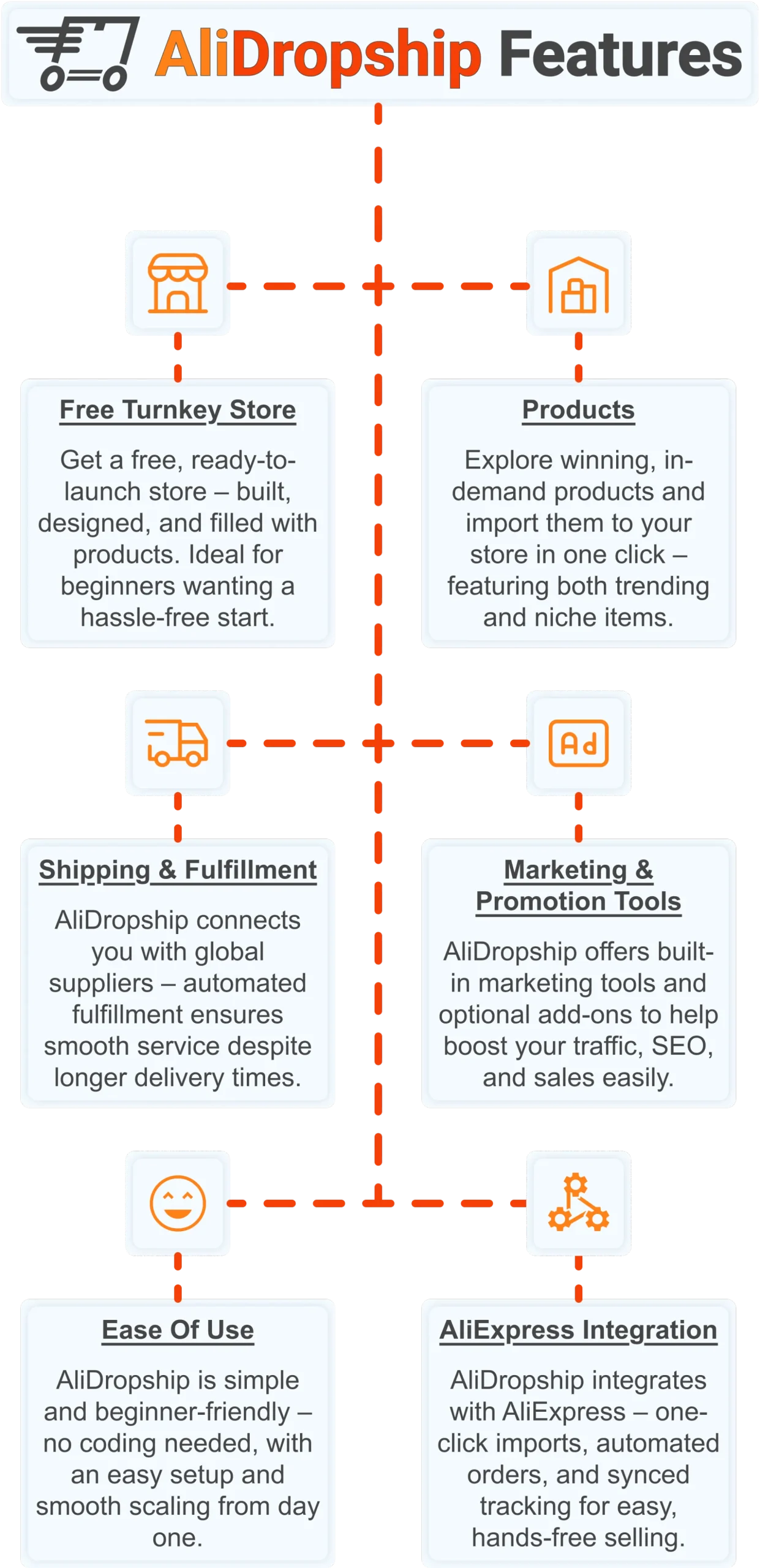
Get a free turnkey store – built, designed, and filled with products. Ideal for beginners wanting a hassle-free start, the store comes fully optimized to attract customers right away, saving you time on setup. Plus, it includes professional design elements to give your business a polished, trustworthy look from day one. This ready-made foundation makes it easy to move seamlessly into product selection.
Products
Once your store is set up, you can explore winning, in-demand products and import them in one click – featuring both trending and niche items. This wide selection lets you cater to diverse customer interests and test what works best. Regular updates ensure you always have fresh products, keeping your store competitive and relevant. With great products in place, smooth shipping becomes the next essential step.
Shipping & fulfillment
AliDropship connects you with global suppliers, and automated fulfillment ensures seamless order processing despite international delivery times. Customers receive real-time tracking updates, which builds confidence and trust in your store. Once shipping is handled reliably, you can focus on promoting your store and attracting traffic.
Marketing & promotion tools
To maximize sales, AliDropship offers built-in marketing tools and optional add-ons that help boost traffic, SEO, and conversions. From email campaigns and discounts to social media integration, these tools empower you to reach and retain customers without needing prior marketing experience. With promotion strategies in place, managing your business becomes simpler and more efficient.
Ease of use
AliDropship is beginner-friendly – no coding needed, with an intuitive dashboard that guides you through every step. Easy setup and smooth scaling let you expand your store without stress. As your business grows, adding new features, products, and marketing campaigns remains hassle-free, giving you more time to focus on sales.
AliExpress integration
Finally, AliDropship integrates seamlessly with AliExpress, enabling one-click imports, automated orders, and synced tracking. Your inventory stays up-to-date with the latest products and prices, while automated order processing frees you from manual tasks. Combined with the turnkey setup, reliable shipping, and built-in marketing tools, this integration ensures your dropshipping business is fully equipped for growth and success.
Travellers love discovering great gear – and that demand doesn’t stop when they get home. Start your free dropshipping store today and tap into the booming travel products market.
 Previous post
