 ‧ julia.nenyukova ‧
March 11, 2026
‧ julia.nenyukova ‧
March 11, 2026  54 ‧
54 ‧
 0
0
The global digital economy crossed $20 trillion in 2024, and a growing slice of that value belongs to ordinary people – not corporations or hedge funds. If you’ve been searching for ways to make money from digital assets, you’re looking in the right direction. The opportunities are real, the barriers are lower than ever, and you don’t need a finance degree to get started.
Quick answer: You can make money from digital assets through cryptocurrency investing, selling digital products, content monetization, NFTs, staking, and digital real estate. Most methods require little to no upfront cost – but realistic monthly income for beginners typically sits between $100 and $1,000, depending on the method and effort level.
The catch is that “digital assets” is a term that gets thrown around loosely. Some of what falls under this label is genuinely beginner-friendly. Some carries serious financial risk. And a few methods that look exciting on social media are either oversaturated or require skills most people are still building. This guide cuts through the noise so you can figure out what actually makes sense for your situation in 2026.
What are digital assets?
Before diving into the money-making side, it helps to be clear on what “digital assets” actually covers. In simple terms, a digital asset is anything that exists in digital form and holds economic value. That’s a wide category, but for most people looking to earn, the most relevant types are:
- Cryptocurrencies – Bitcoin, Ethereum, and thousands of altcoins traded on exchanges worldwide
- NFTs (non-fungible tokens) – unique digital items like artwork, music, or collectibles stored on a blockchain
- Digital products – e-books, templates, online courses, software, and apps
- Digital content – blogs, YouTube channels, newsletters, and social media accounts
- Digital real estate – domain names, established websites, and web-based applications
- In-game assets – skins, items, and currencies inside video game ecosystems
Each of these can generate income in different ways – through appreciation, passive yields, direct sales, or ongoing monetization. The right starting point depends on your skills, your available time, and how much risk you’re comfortable with.
Why this works in 2026: Digital consumption is accelerating globally. More people are shopping, learning, and entertaining themselves online than at any previous point, which creates steady and growing demand for digital goods of all kinds.
How much can you realistically earn from digital assets?
Here’s what community discussions on Reddit and Trustpilot, along with published case studies, actually suggest for beginners in 2026. Results vary widely by method, starting capital, and consistency.
The figures above represent realistic ranges for active, consistent participants – not overnight results. Most beginners start seeing meaningful income after 60–90 days of sustained effort.
Important note: Crypto figures are particularly hard to predict. Many first-year investors break even or lose money. Digital products and content monetization tend to offer more predictable returns if you’re willing to put in the upfront work.
Investing in cryptocurrency and staking
Crypto is usually the first thing people think of when it comes to making money from digital assets. And yes, the opportunity is real – but the risk is equally real, and the timeline rarely matches what social media suggests.
Buying and holding
The simplest approach is to buy an established cryptocurrency like Bitcoin or Ethereum and hold it over the long term. Historically, both have delivered meaningful gains over multi-year windows. The problem is short-term volatility – prices can drop 30–50% in weeks, sometimes without a clear trigger. If you go this route, use dollar-cost averaging (investing a fixed amount on a schedule rather than one lump sum) to reduce timing risk.
Important: Never invest more than you can afford to lose entirely. Crypto markets can and do wipe out portfolios. Treat it as a speculative allocation – not a savings plan.
Staking
If you already hold crypto, staking lets you earn passive rewards by locking your coins to support a proof-of-stake blockchain network. Popular options include Ethereum, Cardano, and Polkadot. Annual yields typically range from 3% to 15%, depending on the asset and the platform you use.
Trading
Day trading and swing trading are high-risk strategies that require deep market knowledge and real emotional discipline. Studies consistently show that the majority of retail traders lose money over a 12-month period. If you want to try it, start with a small amount you can afford to lose and treat early losses as the price of education – not a reason to chase losses.
Earning potential: $10–$150/month from staking on modest holdings; investing returns depend entirely on market conditions and timing.
Creating and selling digital products
This is one of the most reliable methods for making money from digital assets – especially if you have knowledge or skills that others want. Digital products cost almost nothing to produce once you have the content, and they can sell repeatedly without additional work after launch.
E-books and written guides
If you know a topic well – whether it’s personal finance, fitness, cooking, or a niche hobby – writing an e-book is a low-barrier starting point. Amazon Kindle Direct Publishing handles distribution for free, with pricing typically running $2.99–$9.99. You’ll need either an existing audience or a small advertising budget to generate consistent sales.
Online courses
Courses generate higher revenue per sale – usually $30–$200 each – and platforms like Udemy, Teachable, and Thinkific provide the infrastructure to host and sell them. The trade-off is that a quality course takes several weeks to build, and you’re responsible for your own marketing unless you list on a marketplace with built-in traffic.
Templates, presets, and design assets
Designers and visual creators can sell templates, Lightroom presets, social media kits, and presentation assets on platforms like Creative Market or Etsy. Repeat buyers and bundle pricing can turn a well-designed template pack into a reliable, low-maintenance income stream over time.
Software and apps
The ceiling here is significantly higher than other digital product categories – a well-built tool that solves a specific problem can generate thousands per month through subscriptions or one-time sales. If coding is not your background, no-code platforms like Bubble or Glide let you build simple web apps without writing a line of code.
Earning potential: $200–$2,000/month with consistent marketing; experienced sellers in established niches can earn significantly more after 12+ months of product iteration and audience building.
Monetizing your digital content
Content monetization is essentially turning your audience – however small – into income. It requires patience and consistency, but the upside is that your assets (your channel, your blog, your following) compound in value over time as they grow.
Advertising revenue
YouTube and blogging are the most established content monetization channels. YouTube pays creators through AdSense once they hit 1,000 subscribers and 4,000 watch hours. Blogs monetize through display ad networks like Google AdSense, Mediavine, or Raptive – typically after reaching 10,000–50,000 monthly sessions, depending on the network’s threshold.
Affiliate marketing
Promoting other people’s products and earning a commission per sale is one of the most beginner-accessible forms of content monetization. Commissions range from 3–5% for physical products to 30–50% for digital ones. Amazon Associates, ShareASale, and ClickBank are common starting points for new content creators.
Subscriptions and community support
Platforms like Patreon, Substack, and Ko-fi let you charge for exclusive content or accept tips and recurring support from your audience. Even a small but loyal community of 100 paying members at $5/month equals $500 in predictable monthly revenue.
Sponsored content
Once you’ve built an engaged audience, brands will pay for sponsored posts, videos, or social media mentions. Rates vary considerably – from $50 for a micro-influencer post to $10,000+ for a full YouTube integration with a major brand.
Earning potential: $50–$1,500/month for most content creators; scaling requires time, consistent output, and a clear niche focus from day one.
NFTs and virtual assets – is it still worth it in 2026?
The NFT market peaked in 2021–2022 and has contracted significantly since then. That doesn’t mean it’s dead – but the era of minting a JPEG and selling it overnight for thousands of dollars is largely over for newcomers without an established audience.
Where NFTs still make sense
NFTs retain genuine value in a few specific areas: digital art with a real collector community behind it, music and creative rights where artists use tokens to retain ongoing revenue, and gaming ecosystems where in-game items hold actual economic value within their platform. If you’re a digital artist with an engaged following, minting on platforms like OpenSea or Foundation can still supplement your income meaningfully. Without an audience, NFT sales are genuinely difficult to generate.
In-game assets and virtual economies
Games like those built on the Immutable X network or other blockchain gaming platforms have built economies around tradeable digital items. Trading skins, in-game currencies, or rare items can generate income – but it requires a deep understanding of the specific game’s economy and carries its own market risk. This is closer to speculative trading than passive income.
Important: Be cautious of any NFT or virtual asset opportunity that promises guaranteed returns. Most NFTs lose value after the initial purchase, and scam projects remain common in this space.
Earning potential: $0–$5,000+ per sale for established digital artists with an active collector community; results are highly unpredictable for newcomers without an existing audience.
Digital real estate – domains, websites, and apps
Buying and selling digital properties has more in common with traditional real estate than most people expect. You’re acquiring something that has intrinsic value – because of its traffic, brand recognition, or functionality – and either holding it for income or improving it and selling it for a profit.
Domain flipping
Domain flipping involves buying short, memorable, or keyword-rich domain names cheaply and reselling them at a higher price. Tools like GoDaddy Auctions and Namecheap Marketplace let you browse available and expiring domains. The best opportunities come from spotting brandable names before they become relevant to an emerging trend – which requires both market awareness and a bit of luck.
Website flipping
This is the higher-effort, higher-reward version of digital real estate. You buy an underperforming website (or build one from scratch), improve its SEO and content quality, grow its traffic and monthly revenue, and then sell it on platforms like Flippa or Empire Flippers. Websites typically sell for 30–40x their monthly revenue, which means a site earning $500/month could sell for $15,000–$20,000.
Earning potential: Domain flipping: $500–$5,000 per flip on well-chosen names. Website flipping: $2,000–$50,000+ per sale, depending on the site’s niche, traffic, and revenue consistency.
Legal and ethical considerations
Making money from digital assets is entirely legitimate – but there are real legal and ethical pitfalls worth understanding before you go all in.
Tax obligations
In most countries, profits from selling digital assets – including crypto, NFTs, and websites – are taxable. In the US, the IRS treats cryptocurrency as property, which means every sale, trade, or use is a potential taxable event. Keep detailed records of every transaction from day one. Crypto tax tools like Koinly or CoinTracker can automate much of this tracking and save you significant stress come tax season.
Copyright and intellectual property
If you’re creating digital products, make sure everything you include – images, fonts, music samples, code libraries – is either original, properly licensed, or in the public domain. Selling a product that contains unlicensed third-party material can expose you to copyright infringement claims, even if the inclusion was unintentional.
Scams and fraudulent platforms
The digital asset space attracts scams at a higher rate than most industries. Crypto “rug pulls,” fake NFT drops, and fraudulent high-yield investment platforms are common and regularly make headlines. Use only regulated, reputable exchanges and platforms. If a project or opportunity promises guaranteed returns with no downside risk, treat it as a scam until proven otherwise.
Key principle: In the digital asset world, if an opportunity sounds too good to be true, it almost certainly is – stick to methods with a verifiable track record and transparent fee structures.
Final thoughts – which method is right for you?
There’s no single best way to make money from digital assets. The right starting point depends on your skills, available time, risk tolerance, and how quickly you need to see a return.
Here’s a simple breakdown by reader profile:
Complete beginner – Start with either crypto staking (if you already hold any crypto) or a simple digital product like a template pack or short e-book. Low upfront cost, manageable learning curve, and realistic early income in the $50–$200/month range within 60–90 days of effort.
Intermediate / part-time – If you have a skill in writing, design, video production, or coding, selling digital products and building a content monetization channel offer the best combination of income stability and long-term scalability. Give yourself 3–6 months before expecting consistent results.
Advanced / full-time goal – Website flipping, building a software product, or growing a content business to significant advertising scale are the highest-ceiling options. All three require sustained effort over 6–18 months, but the income potential is meaningfully higher than any other method on this list.
One final point worth making: most people who genuinely succeed with digital assets don’t rely on a single income stream. They start with one method, reinvest early earnings, and gradually build a diversified portfolio. That’s the realistic path – not the overnight success story circulating on social media.
AliDropship: Your complete all-in-one solution for starting dropshipping in 2026
If you want the simplest possible way to start dropshipping – especially if you’re brand new – AliDropship remains one of the most beginner-friendly tools available in 2026. It brings together store creation, product imports, automation, and marketing into a single streamlined system designed to help you launch quickly and grow confidently.
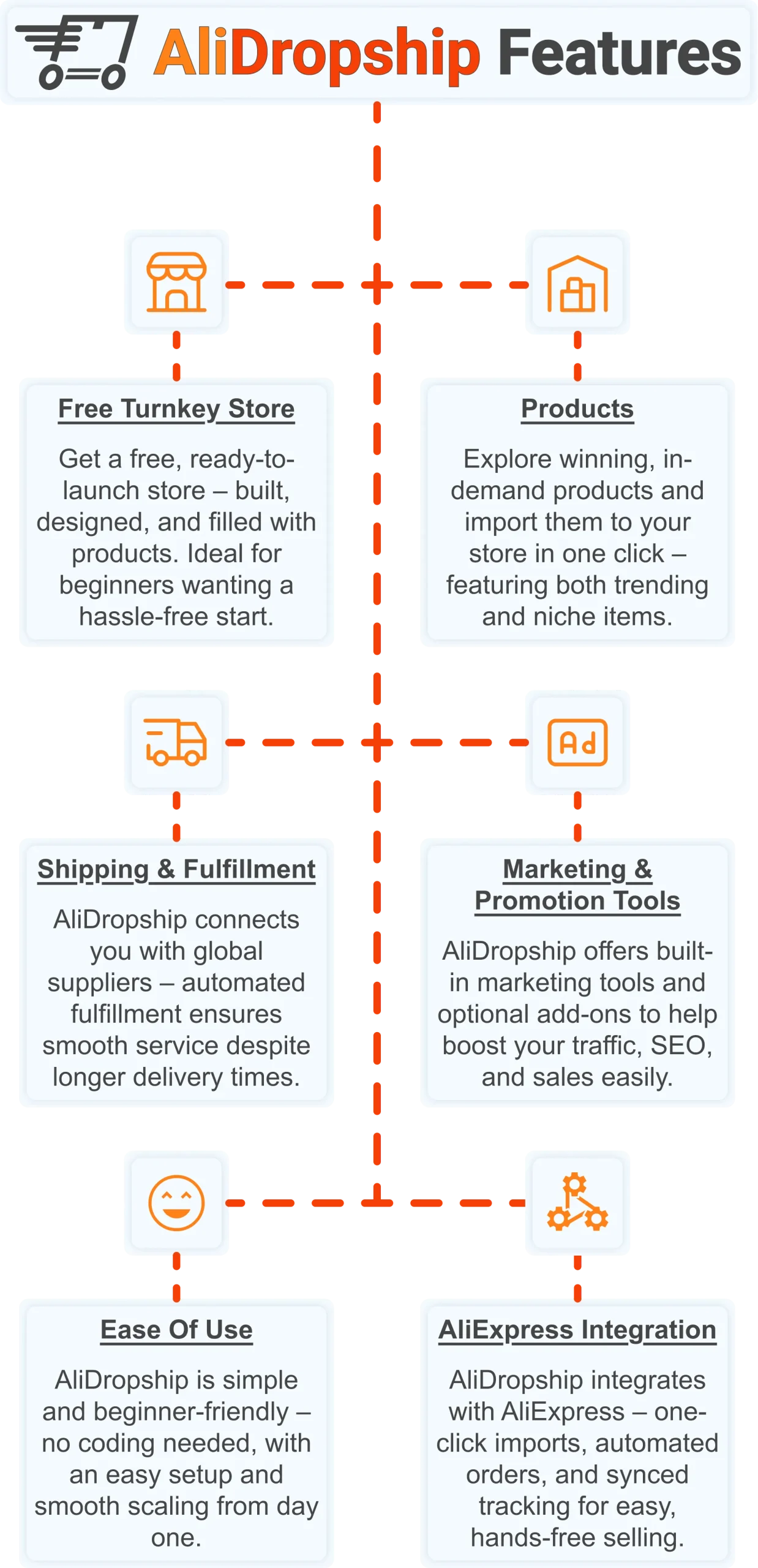
Free turnkey store ️
Get a free turnkey store – built, designed, and filled with products. Ideal for beginners wanting a hassle-free start, the store comes fully optimized to attract customers right away, saving you time on setup. Plus, it includes professional design elements to give your business a polished, trustworthy look from day one. This ready-made foundation makes it easy to move seamlessly into product selection.
Products
Once your store is set up, you can explore winning, in-demand products and import them in one click – featuring both trending and niche items. This wide selection lets you cater to diverse customer interests and test what works best. Regular updates ensure you always have fresh products, keeping your store competitive and relevant. With great products in place, smooth shipping becomes the next essential step.
Shipping & fulfillment
AliDropship connects you with global suppliers, and automated fulfillment ensures seamless order processing despite international delivery times. Customers receive real-time tracking updates, which builds confidence and trust in your store. Once shipping is handled reliably, you can focus on promoting your store and attracting traffic.
Marketing & promotion tools
To maximize sales, AliDropship offers built-in marketing tools and optional add-ons that help boost traffic, SEO, and conversions. From email campaigns and discounts to social media integration, these tools empower you to reach and retain customers without needing prior marketing experience. With promotion strategies in place, managing your business becomes simpler and more efficient.
Ease of use
AliDropship is beginner-friendly – no coding needed, with an intuitive dashboard that guides you through every step. Easy setup and smooth scaling let you expand your store without stress. As your business grows, adding new features, products, and marketing campaigns remains hassle-free, giving you more time to focus on sales.
AliExpress integration
Finally, AliDropship integrates seamlessly with AliExpress, enabling one-click imports, automated orders, and synced tracking. Your inventory stays up-to-date with the latest products and prices, while automated order processing frees you from manual tasks. Combined with the turnkey setup, reliable shipping, and built-in marketing tools, this integration ensures your dropshipping business is fully equipped for growth and success.
Dropshipping is one of the most accessible ways to build real income from digital assets – with no inventory, no upfront stock costs, and tools that do the heavy lifting for you. Claim your free store and $100 voucher to get started today.
 Previous post
