 ‧ Agnes Kazaryan ‧
March 06, 2026
‧ Agnes Kazaryan ‧
March 06, 2026  9 ‧
9 ‧
 0
0
Some brand names don’t need an introduction. Louis Vuitton. Nike. Chanel. Gucci. You hear them and you immediately picture something – a logo, a feeling, a certain kind of person. That’s not an accident. The top fashion brands in the world have spent decades building that kind of recognition, and in 2026 they’re more influential than ever.
But fashion today isn’t just about who makes the most expensive handbag. It’s about cultural pull, global reach, and the ability to stay relevant when trends shift overnight. The brands that make this list have earned their place through a mix of heritage, smart marketing, and – increasingly – a willingness to evolve.
Quick answer: The top fashion brands in 2026 include Louis Vuitton, Gucci, Chanel, Hermès, Dior, Nike, Adidas, Zara, H&M, Uniqlo, Prada, Ralph Lauren, Balenciaga, and Burberry – spanning luxury, sportswear, and accessible fashion.
In this guide, we’ll break down what makes each of these names a true leader, how the industry is shifting, and what the divide between luxury and affordable fashion actually means for the market today.
What are the top fashion brands?
The phrase “top fashion brands” gets thrown around a lot, but what does it actually mean? It’s not just about the highest price tag or the most Instagram followers. A truly top brand scores across several dimensions at once.
Brand value is the financial worth attached to a name – how much a label is worth beyond its physical products. Louis Vuitton, for example, consistently tops global brand value rankings because people will pay a premium simply for the name on the bag.
Then there’s revenue and global presence. A brand that generates billions in annual sales and operates stores across every continent is playing at a different level than a regional label, no matter how well-regarded locally.
Cultural influence matters just as much. The best fashion brands don’t just respond to trends – they create them. When a label shows up on red carpets, dominates TikTok feeds, and shapes what people want to wear, that’s a sign of real cultural weight.
Finally, there’s innovation and sustainability. In 2026, consumers are paying closer attention to how clothes are made, what materials are used, and whether brands are being honest about their environmental impact. The labels that take this seriously tend to build stronger long-term loyalty.
With those criteria in mind, here’s a look at the global leaders shaping fashion today.
How valuable are the world’s top fashion brands?
These figures give a rough snapshot of scale – but brand value doesn’t capture everything. Cultural pull, customer loyalty, and the ability to adapt matter just as much as a number on a ranking list.
The top 14 fashion brands in 2026
Each brand on this list has built something unique. Some lean on centuries of heritage, others on speed and affordability, and a few have completely rewritten what fashion is supposed to look like. Here’s a closer look at who’s leading the industry today.
1. Louis Vuitton
Louis Vuitton is the most valuable fashion brand in the world – and it’s held that position for years. Its iconic monogram is one of the most recognized symbols on earth, appearing on everything from luggage to ready-to-wear collections. The brand combines old-world craftsmanship with bold, modern collaborations that consistently pull in younger audiences without diluting its luxury status.
What keeps Louis Vuitton at the top isn’t just heritage. It’s a disciplined approach to exclusivity – pricing, availability, and presentation are all carefully controlled to maintain desirability at scale.
Why this works in 2026: LV’s collaboration strategy (artists, designers, cultural figures) keeps the brand feeling fresh without abandoning what made it iconic in the first place.
2. Gucci
Gucci built its modern reputation on reinvention. After a period of stagnation, a bold creative shift brought maximalist prints, gender-fluid designs, and pop culture references that resonated strongly with younger luxury buyers. Today, Gucci occupies a rare position – it’s one of the few luxury houses that feels both aspirational and culturally current at the same time.
The brand has also moved on sustainability, experimenting with eco-friendly materials and publishing supply chain transparency reports. That combination of edge and accountability is part of why it remains one of the top fashion brands globally.
3. Chanel
Chanel is the definition of timeless. The little black dress, the No. 5 fragrance, the quilted handbag – these aren’t just products, they’re cultural reference points. What’s remarkable is that Chanel has maintained this status across generations without chasing every new trend.
Its haute couture collections still dominate Paris Fashion Week, and its controlled distribution model keeps exclusivity intact. In an era where many luxury brands are chasing volume, Chanel’s restraint is part of its strength.
4. Hermès
If Chanel is timeless, Hermès is untouchable. Its Birkin and Kelly bags have waiting lists measured in years, not months – a feat that almost no other brand in the world can replicate. Hermès deliberately limits production, keeps quality exceptionally high, and resists the temptation to expand too fast.
This approach makes it one of the most resilient luxury brands in any economic climate. When consumers cut back elsewhere, demand for Hermès tends to hold. Scarcity, done right, creates its own kind of demand.
5. Dior
Dior manages something difficult: it honors its haute couture roots while building genuine mass appeal. Handbags like the Lady Dior are consistent bestsellers, and its cosmetics and fragrance lines extend the brand’s reach well beyond fashion purists. Its presence spans runway shows, social media campaigns, and celebrity partnerships – making it a luxury powerhouse that appeals across multiple generations.
Important note: Dior’s broader cosmetics business means it has more touchpoints with everyday consumers than most luxury houses, giving it unusually wide cultural reach for a high-end label.
6. Nike
Nike is the world’s largest sportswear brand, and its influence stretches far beyond athletics. The Air Jordan line alone changed the relationship between performance footwear and street culture, and that crossover approach has defined Nike’s identity ever since. Its digital community strategy – building ecosystems around apps, training clubs, and exclusive drops – keeps its audience engaged between purchases.
Nike is also one of the most agile major brands when it comes to collaborations and limited releases. That scarcity playbook, borrowed from luxury, has kept it relevant in streetwear and lifestyle fashion in a way few sportswear competitors can match.
7. Adidas
Adidas competes directly with Nike while carving out a distinct identity. Its three-stripe silhouettes are instantly recognizable, and collaborations with Kanye West, Pharrell Williams, and others gave it serious credibility in streetwear. Adidas has also invested heavily in sustainability – its partnership with Parley produces shoes made from ocean plastic, and it has pledged to use only recycled polyester across its range.
That mix of cultural credibility and environmental commitment gives Adidas a position that resonates with younger consumers who want both style and substance.
8. Zara
Zara didn’t just succeed at fast fashion – it essentially invented the modern version of it. Its supply chain is built to move designs from concept to store in under three weeks, a speed that most competitors still can’t match. This allows Zara to capture trends as they emerge rather than planning months in advance.
With thousands of locations worldwide and a strong e-commerce presence, Zara has near-universal reach in the affordable fashion segment. Critics have raised sustainability concerns, but there’s no question that Zara shaped the way the entire mid-market operates.
9. H&M
H&M built its brand on one simple promise: affordable, trend-driven clothing for everyone. It delivers on that consistently, offering a wide range of basics alongside faster-moving seasonal pieces. In recent years, H&M has made sustainability a more central part of its story – its garment recycling program and investment in organic and recycled materials show an attempt to shift away from pure disposability.
It also regularly collaborates with high-end designers, which gives it access to audiences beyond its core budget-conscious base and keeps the brand feeling aspirational even at accessible prices.
10. Uniqlo
Uniqlo takes a different approach than most of its affordable competitors. Rather than chasing the latest trend, it focuses on functional, high-quality basics that improve on everyday clothing through technology. Its HeatTech fabric retains warmth without bulk. Its AIRism range manages moisture and temperature in a way that no basic cotton undershirt can.
This focus on innovation at an accessible price point has built a fiercely loyal customer base – particularly in Asia, though its European and North American presence is growing steadily. Uniqlo appeals to consumers tired of buying cheap things that don’t last.
11. Prada
Prada has staged a strong comeback over the past few years. After a period where it felt out of step with younger consumers, a creative refocus brought clean lines, intellectual design references, and a renewed sense of cool that resonated on social media and the runway simultaneously. Its recycled nylon line – Re-Nylon – shows that it’s taking sustainability seriously, not just as PR but as a design challenge.
Prada’s willingness to reinvent itself while staying true to its intellectual identity is what keeps it on this list.
12. Ralph Lauren
Ralph Lauren represents classic American style in its most polished form. Polo shirts, preppy tailoring, and an aspirational lifestyle aesthetic have defined the brand for over 50 years. In 2026, Ralph Lauren’s strength comes from authenticity – in a market full of brands chasing trends, its consistency is actually a competitive advantage.
It faces serious competition in the mid-luxury space, but its strong brand recognition globally and loyal customer base give it staying power that newer names struggle to match.
13. Balenciaga
Balenciaga is the rule-breaker of luxury fashion. Oversized silhouettes, deliberately ugly sneakers, and campaigns designed to provoke conversation have made it a reference point for a generation of consumers who want luxury that feels disruptive rather than deferential. It’s polarizing by design – and that polarization keeps it talked about constantly.
For younger buyers who want to signal taste without falling back on traditional luxury codes, Balenciaga offers something genuinely different.
14. Burberry
Burberry is one of the clearest examples of a heritage brand successfully modernizing without losing what made it valuable. Its iconic trench coat and check pattern are recognized globally, and recent creative direction has added a layer of contemporary cool without abandoning British craftsmanship as its foundation.
Strong growth in Asian markets and a digital-first approach to brand storytelling have helped Burberry stay relevant in an era where many century-old brands have struggled to connect with younger audiences.
Luxury vs. affordable: the two sides of fashion power
Look at the 14 brands above and one thing becomes clear: there are really two different games being played here. Luxury houses like Louis Vuitton, Hermès, and Chanel operate on exclusivity. Affordable giants like Zara, H&M, and Uniqlo operate on access. Both are powerful – just in very different ways.
Luxury brands thrive by controlling supply. A Birkin bag is desirable partly because you can’t just walk in and buy one. The scarcity is deliberate, and it drives a kind of aspiration that no marketing budget alone can manufacture. When you buy a Chanel jacket or a Gucci bag, you’re buying a piece of cultural identity, not just a product.
Affordable fashion works on entirely different logic. Zara and H&M win by moving fast, staying visible, and making style accessible to people who don’t have luxury budgets. Uniqlo goes further still – it doesn’t chase trends at all, betting on quality basics that justify their price through longevity rather than novelty.
The interesting middle ground is sportswear. Nike and Adidas borrow from both worlds. They use scarcity tactics (limited drops, exclusive collabs) that mirror luxury strategy, while maintaining wide distribution that keeps them accessible to mass audiences. That dual positioning is a big part of why they rank among the most valuable fashion brands on earth.
Key principle: Being a “top” fashion brand doesn’t mean being the most expensive – it means having a clear, consistent identity that connects with people at scale.
What the global fashion market looks like in 2026
Understanding why these brands dominate is easier when you see the scale of the market they operate in. The global apparel industry is worth well over a trillion dollars, and it continues to grow – driven by rising consumer spending in Asia, ongoing demand in the US and Europe, and the accelerating shift to online shopping.
Luxury fashion has proved surprisingly resilient through economic uncertainty. When consumers cut discretionary spending, high-end labels often hold up better than mid-market brands, because their buyers are less price-sensitive and more motivated by status and investment value. Louis Vuitton, Hermès, and Chanel have all demonstrated this resilience repeatedly over the past decade.
At the same time, fast fashion continues to dominate volume. Zara and H&M move millions of units per year through sheer speed and accessibility, and newer players like Shein have pushed the fast-fashion model to even more extreme timelines.
What’s changing most is how consumers form opinions about brands. Social media has compressed trend cycles dramatically – a style can go from niche to mainstream to oversaturated in weeks. Authenticity and transparency matter more than they did five years ago, and brands that can’t articulate what they stand for – beyond product – are finding it harder to build lasting loyalty.
Why this works in 2026: The brands with the clearest identity – whether that’s Hermès scarcity, Nike community, or Uniqlo functionality – are the ones most resistant to trend volatility.
Legal and ethical considerations when selling fashion brands
If you’re interested in the fashion space as a business opportunity – selling branded products online, for example – there are some important lines to understand before you start.
The most important one is the difference between authorized and unauthorized resale. Selling genuine products purchased through official channels is generally legal. Selling counterfeit goods – fake versions of branded items – is not, and the legal consequences can be severe. This applies regardless of how convincing the product looks or how the supplier markets it.
Important: If a supplier offers you branded luxury goods at prices that seem too good to be true, they almost certainly are. Authentic Hermès or Chanel products don’t get sold through grey-market wholesale channels.
A safer and more sustainable approach is to work with platforms that have established supplier relationships with genuine brand-authorized sources. This protects you legally, protects your customers, and protects your store’s reputation. Selling the real thing – products people already know and trust – is also a far stronger business proposition than trying to compete on price with counterfeit goods.
Key principle: Build your fashion business on authenticity. Trust is your biggest asset in e-commerce, and it’s much harder to rebuild than it is to lose.
Final thoughts: which fashion brands should you pay attention to?
The top fashion brands in 2026 cover a wide spectrum – from centuries-old luxury houses to fast-fashion giants to sportswear empires. What they all have in common is a clear identity, consistent execution, and the ability to stay culturally relevant even as consumer preferences shift.
Here’s a simple breakdown by what you’re actually looking for:
- If you’re exploring fashion as a consumer and want to understand what makes a brand worth its price, focus on heritage, quality, and what the brand actually stands for beyond its logo.
- If you’re interested in fashion trends, watch Balenciaga, Nike, and Adidas – these are the brands that tend to move culture before it moves mainstream.
- If you’re thinking about starting a fashion-related business, the strongest opportunity isn’t in competing with these giants – it’s in leveraging their existing reputation by selling their products through an authorized channel.
The global fashion industry is big, competitive, and constantly shifting. But the brands on this list have proved they know how to survive those shifts. Understanding what they do well is the first step toward building something in the space yourself.
AliDropship: Your complete all-in-one solution for starting dropshipping in 2026
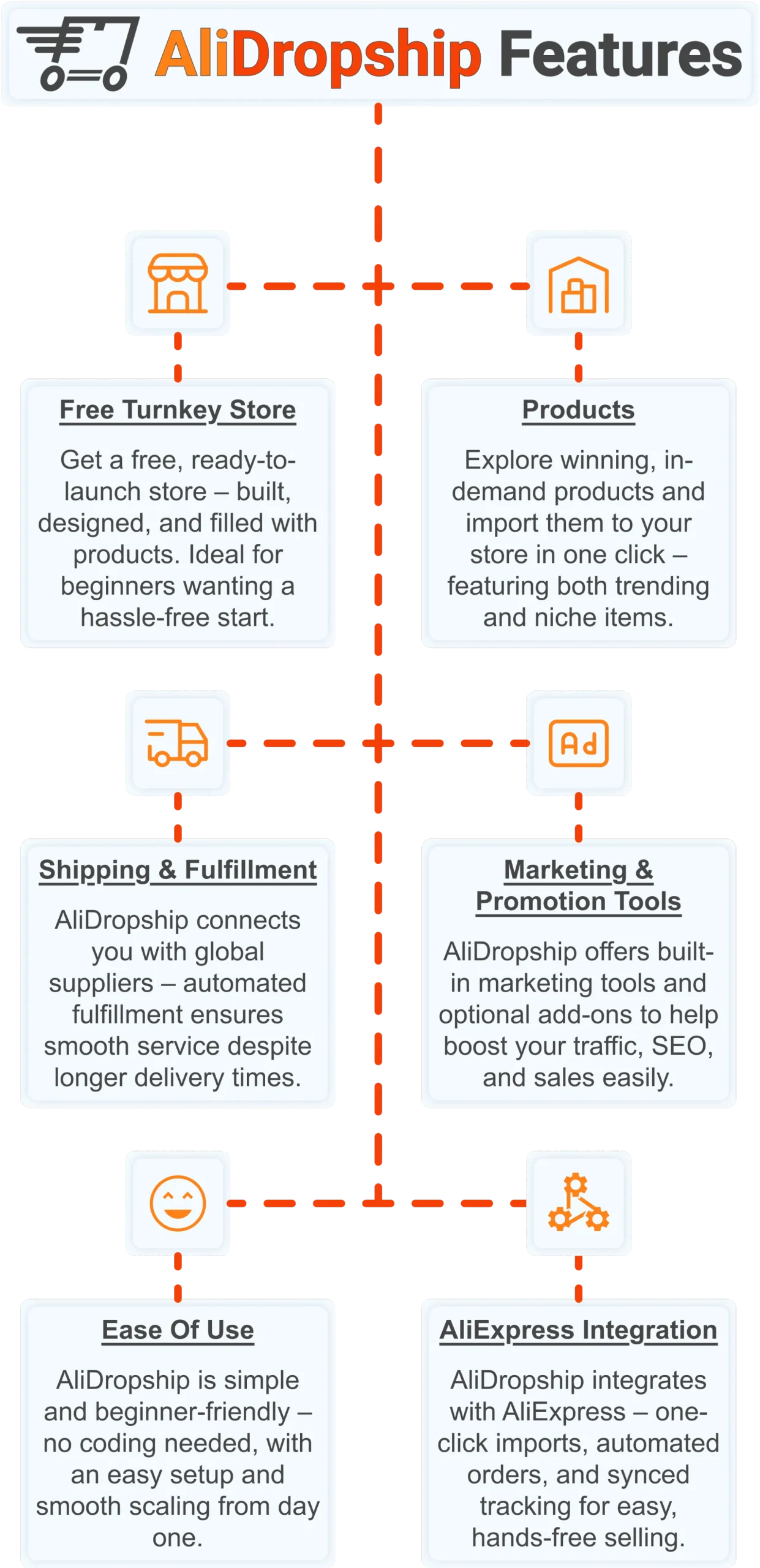
If you want the simplest possible way to start dropshipping – especially if you’re brand new – AliDropship remains one of the most beginner-friendly tools available in 2026. It brings together store creation, product imports, automation, and marketing into a single streamlined system designed to help you launch quickly and grow confidently.
Free turnkey store ️
Get a free turnkey store – built, designed, and filled with products. Ideal for beginners wanting a hassle-free start, the store comes fully optimized to attract customers right away, saving you time on setup. Plus, it includes professional design elements to give your business a polished, trustworthy look from day one. This ready-made foundation makes it easy to move seamlessly into product selection.
Products
Once your store is set up, you can explore winning, in-demand products and import them in one click – featuring both trending and niche items. This wide selection lets you cater to diverse customer interests and test what works best. Regular updates ensure you always have fresh products, keeping your store competitive and relevant. With great products in place, smooth shipping becomes the next essential step.
Shipping & fulfillment
AliDropship connects you with global suppliers, and automated fulfillment ensures seamless order processing despite international delivery times. Customers receive real-time tracking updates, which builds confidence and trust in your store. Once shipping is handled reliably, you can focus on promoting your store and attracting traffic.
Marketing & promotion tools
To maximize sales, AliDropship offers built-in marketing tools and optional add-ons that help boost traffic, SEO, and conversions. From email campaigns and discounts to social media integration, these tools empower you to reach and retain customers without needing prior marketing experience. With promotion strategies in place, managing your business becomes simpler and more efficient.
Ease of use
AliDropship is beginner-friendly – no coding needed, with an intuitive dashboard that guides you through every step. Easy setup and smooth scaling let you expand your store without stress. As your business grows, adding new features, products, and marketing campaigns remains hassle-free, giving you more time to focus on sales.
AliExpress integration
Finally, AliDropship integrates seamlessly with AliExpress, enabling one-click imports, automated orders, and synced tracking. Your inventory stays up-to-date with the latest products and prices, while automated order processing frees you from manual tasks. Combined with the turnkey setup, reliable shipping, and built-in marketing tools, this integration ensures your dropshipping business is fully equipped for growth and success.
The top fashion brands covered in this article have built their success on trust, quality, and smart positioning – and you can tap into that same brand power through dropshipping. Claim your free store and start selling brands people already love.
 Previous post
