 ‧ Agnes Kazaryan ‧
March 13, 2026
‧ Agnes Kazaryan ‧
March 13, 2026  857 ‧
857 ‧
 0
0
Sustainability has moved from niche trend to mainstream buying habit. In 2026, consumers are actively choosing products that cut waste, skip harmful chemicals, and come from responsible sources – and that shift has created one of the most reliable opportunities in online retail right now.
If you have been wondering whether eco-friendly products are worth building a store around, the answer is yes. The global green consumer goods market is on track to surpass $400 billion by 2027.
Eco-conscious buyers also show higher brand loyalty than average shoppers, which means once you earn their trust, they come back. The real question is not whether to enter this space – it is which products to pick and how to position them profitably.
Quick answer: The best eco-friendly products to sell online in 2026 include reusable water bottles, bamboo kitchenware, beeswax food wraps, solar-powered chargers, organic cotton tote bags, and zero-waste personal care items. These categories combine strong year-round demand, healthy margins, and excellent repeat purchase potential.
What are eco-friendly products?
Eco-friendly products are items designed to have a meaningfully lower environmental impact than their conventional alternatives. That can mean they are made from biodegradable or recycled materials, produced with less energy, packaged sustainably, or built to replace single-use disposables.
The category is broad – it spans bamboo toothbrushes and reusable food storage bags all the way to solar-powered garden lights and organic pet accessories.
What makes 2026 a particularly strong moment for sellers is how mainstream the category has become. Research cited by Shopify puts the share of consumers willing to pay more for sustainable brands at 55%.
That translates directly into higher average order values, stronger pricing power, and customers who return because they trust your store – not just because your price was the lowest. For a growing share of buyers, eco-friendly is the default choice, not a premium upgrade.
For dropshippers specifically, the category checks all the right boxes: consistent year-round demand, a defined and passionate target audience, and a wide enough product range to build a focused niche store with real upsell and cross-sell depth. A customer who buys bamboo cutlery is very likely to also want beeswax wraps and compostable sponges. That ecosystem is where your real margins live.
How much can you realistically earn?
Earnings depend on your niche focus, traffic strategy, and how consistently you show up. That said, eco-friendly products generally support better margins than generic dropshipping categories because buyers are less price-sensitive when sustainability credentials are clear and verified.
These ranges reflect realistic outcomes for dropshippers running focused niche eco stores with consistent marketing. Beginners should expect 60–90 days before meaningful revenue appears. The higher end requires full-time commitment, a defined brand identity, and reinvestment into paid traffic or SEO.
One note on the top figures: The $15,000+ tier is achievable but not common in year one. Most sellers reach it after building a recognizable store with returning customers, strong product reviews, and at least one established traffic channel. Think of it as a 12–24 month target, not a 30-day promise.
The most reliable path to consistent income in this niche is a focused store – not a general green catalog. Sellers who specialize in a themed eco store, such as zero-waste kitchens or sustainable pet care, consistently convert better than those who list a random mix of products. Specialization also strengthens your SEO through internal linking and product clustering.
Best eco-friendly products to sell in 2026
Below are the top eco-friendly product categories worth building a store around, organized by niche theme. Each section covers specific product examples, what makes them strong dropshipping picks, and realistic per-item earning potential.
Zero-waste kitchen and home
The kitchen is where most single-use plastic waste originates – and where the most motivated eco buyers are already spending money. Products here solve a daily problem, photograph well for social media, and generate strong repeat purchases because many items are consumable or wear out over time.
Reusable water bottles
Stainless steel and glass water bottles are one of the most reliable products in the entire eco niche. The global reusable water bottle market was valued at around $9.67 billion in 2024 and is projected to reach $12.6 billion by 2030.
Government bans on single-use plastic bottles across the US, Canada, and Australia continue to drive demand. For dropshippers, bottles are lightweight, easy to ship, and available in hundreds of designs. Look for insulated versions with wide-mouth openings – they command higher prices and generate better reviews.
Earning potential: $8–$25 per unit profit margin, depending on design and materials.
Beeswax food wraps
Beeswax wraps are a reusable, biodegradable replacement for plastic cling film. Made from organic cotton infused with beeswax, resin, and plant oils, they cover bowls, wrap snacks, and store produce. The eco pitch is compelling – each set can replace hundreds of plastic wrap uses – and their visual appeal makes them ideal for Instagram and Pinterest.
They also bundle naturally with bamboo cutlery and reusable bags, making it easy to build a zero-waste kitchen cluster around them.
Earning potential: $6–$18 per set profit margin.
Bamboo cutlery and tableware
Bamboo is one of the fastest-growing materials in the eco niche because it is genuinely sustainable – bamboo regenerates in 3–5 years compared to decades for hardwood. Bamboo cutlery sets, cutting boards, and serving ware are lightweight, easy to ship, and appeal to both sustainability-focused households and travel buyers.
They also work well as part of a zero-waste travel kit, which is a strong bundling angle. Buyers searching for plastic-free kitchen alternatives land on this category regularly through organic search.
Earning potential: $5–$20 per item or set.
Compostable sponges and cleaning tools
Conventional kitchen sponges are made from synthetic plastic fibers and end up in landfill within weeks. Compostable alternatives – made from natural cellulose, loofah, or coconut fiber – are a direct swap that resonates strongly with eco buyers. These are low-cost consumable products, which means repeat orders and predictable revenue. Pair them with refillable dish soap dispensers or cleaning concentrate pods for a natural upsell flow.
Earning potential: $4–$14 per unit or bundle.
Sustainable personal care and wellness
Personal care is the second-highest-growth area in eco dropshipping. Buyers here are highly brand-loyal, vocal on social media, and willing to pay a premium for certified natural or organic products. Trust matters enormously in this category – which is a good reason to focus on products with recognized certifications like GOTS (organic textiles) or cruelty-free seals.
Bamboo toothbrushes
Bamboo toothbrushes are the gateway product that introduces buyers to zero-waste personal care. They are a near-identical swap for plastic toothbrushes, with the key difference being a compostable handle.
Because every household needs new toothbrushes regularly, the repeat purchase rate is among the highest of any eco product. Family packs and subscription-style bundles work well here. Target buyers already searching for plastic-free alternatives to everyday essentials.
Earning potential: $3–$10 per unit; higher in multipacks.
Shampoo bars and solid personal care
Shampoo bars, conditioner bars, and solid body wash eliminate plastic bottles from the shower entirely. One bar typically replaces two to three plastic bottles – a compelling pitch that practically writes its own product description. These items are compact, lightweight, and carry high perceived value relative to their cost. Solid personal care is one of the fastest-moving subcategories in the natural beauty market in 2026.
Earning potential: $5–$18 per bar or bundle.
Reusable cotton rounds and makeup remover pads
Single-use cotton rounds are used and discarded by millions of beauty consumers daily. Reusable alternatives made from organic or recycled cotton appeal to this audience with a simple message: same result, zero waste.
Sets of 10–20 washable rounds with a laundry bag command $12–$25 retail and make an easy add-on for any personal care or zero-waste store. They also generate strong user-generated content when buyers share their zero-waste bathroom setups online.
Earning potential: $6–$15 per set.
Eco-friendly tech and solar accessories
Tech accessories are one of the most exciting growth areas in the eco niche because they combine sustainability messaging with gadget appeal – a combination that attracts both eco buyers and mainstream consumers. Margins here are higher than most other green product types, and social media content around solar and portable power performs consistently well.
Solar-powered portable chargers
The global portable solar charger market was valued at approximately $649.8 million in 2025 and is projected to reach around $2.4 billion by 2035 – a compound annual growth rate of roughly 13.9%.
Hikers, campers, festival-goers, and emergency preparedness buyers all have strong reasons to own one. Emphasize fast-charging ports and foldable panel designs, which are the two features buyers search for most. This product also crosses over well into travel and outdoor adventure stores.
Earning potential: $15–$40 per unit profit margin.
Biodegradable phone cases
Compostable phone cases made from plant-based materials produce 30–35% fewer carbon emissions during production compared to conventional plastic cases. For buyers already replacing single-use plastics in the kitchen and bathroom, a biodegradable phone case is a natural next step.
This product appeals particularly to younger demographics who treat their purchasing decisions as an extension of their values. Available for a wide range of popular models and easy to source and ship.
Earning potential: $8–$22 per case.
Sustainable home and garden
Home and garden is a broad and reliable category for eco dropshippers. Products tend to have higher price points, which means better absolute margins per sale even when conversion rates are slightly lower than everyday consumables.
Solar-powered garden lights
Solar garden lights are a perennial bestseller in the eco home category. They require no wiring, no electricity, and no ongoing cost for the buyer – a practical pitch that resonates well beyond the eco niche. Weather-resistant solar string lights, pathway lanterns, and stake lights all sell well across spring and summer seasons.
The category has strong cross-demographic appeal: gardeners, homeowners, renters with balconies, and holiday decorators all have clear use cases.
Earning potential: $10–$35 per unit or set.
Organic cotton tote bags
Recycled and organic cotton tote bags have grown steadily as single-use plastic bag bans spread across major markets. Each tote can be reused hundreds of times, which is a powerful environmental pitch that buyers genuinely respond to.
For dropshippers, totes are easy to customize with niche-specific designs, bundle with other zero-waste products, and market through content about sustainable shopping. They work well as a low-cost entry product that draws buyers into a wider eco store.
Earning potential: $4–$12 per unit.
Recycled fabric home textiles
Throw pillows, blankets, and rugs made from recycled plastic bottles or reclaimed fabric are gaining traction as home buyers seek products that align with their values. These items carry higher average order values and benefit from strong visual marketing on Pinterest and Instagram.
Look for products with verified recycled content certifications and clear material sourcing information – that is the primary trust signal buyers check before purchasing in this category.
Earning potential: $15–$45 per item, depending on size and material.
Eco-friendly pet products
The pet products market reached an estimated $157 billion in US spending in 2025, and the eco-conscious segment is growing faster than the overall category. Pet owners who care about sustainability for themselves naturally extend that mindset to their animals. Products here generate strong emotional buying responses and high repeat purchase rates.
Biodegradable pet waste bags
Biodegradable dog waste bags are one of the highest-volume consumable products in the eco pet category. Every dog owner needs them, they run out regularly, and switching from conventional plastic to a compostable version is a zero-friction decision.
Bundle deals and multipacks work especially well. The subscription angle is also worth considering – many eco pet stores convert one-time buyers into recurring orders for waste bags and related consumables.
Earning potential: $4–$12 per pack, with strong repeat order revenue.
Natural fiber pet accessories
Vegan and natural pet accessories – including collars, leashes, and harnesses made from cork, recycled polyester, or plant-based leather – appeal to a growing segment of eco-conscious pet owners. These items carry good margins, photograph well, and differentiate your store from generic pet accessory sellers in a crowded market.
Earning potential: $10–$30 per accessory.
How to sell eco-friendly products online: a practical guide
Knowing which products to sell is only half the equation. How you position, source, and market your eco store determines whether you build a sustainable business or just another catalog that fades after a few months. Here is what actually works in 2026.
Pick a focused niche theme, not a broad green catalog
The most consistent advice from successful eco dropshippers is to specialize. A store focused entirely on zero-waste kitchens or sustainable pet care will convert better, rank higher in organic search, and build a more loyal customer base than one that sells every green product imaginable.
A focused theme also creates a natural cross-sell ecosystem: a buyer who picks up bamboo cutlery will also want beeswax wraps, compostable sponges, and reusable produce bags. That internal product clustering also strengthens your store’s SEO over time.
Source products with real certifications
Authenticity is the single biggest differentiator in eco ecommerce in 2026. Consumers actively research brands before buying, and vague sustainability claims can destroy trust overnight. Look for products with recognized certifications such as FSC (Forest Stewardship Council for wood and paper products), GOTS (Global Organic Textile Standard for fabrics), Fair Trade, or verified recycled content labels.
Avoid absolute claims like “100% eco-friendly” in your listings – instead, use specific, verifiable statements tied to materials and certifications. This builds long-term credibility and reduces the risk of consumer backlash.
Build your product descriptions around the problem solved
The most effective eco product listings do not lead with sustainability credentials – they lead with the problem the product solves. “Replaces 500 plastic bags” is a stronger opener than “eco-friendly and sustainable.”
Once you have established the practical value, reinforce it with the environmental benefit. This structure captures both motivated eco buyers and mainstream shoppers looking for a practical alternative to a disposable product they already buy.
Use visual platforms for eco product marketing
Pinterest and Instagram are particularly strong channels for eco dropshipping because the products photograph beautifully and the audiences on both platforms skew toward lifestyle-conscious consumers. Solar garden lights, bamboo kitchenware, reusable bottles, and zero-waste bathroom sets all generate strong organic engagement when styled well.
User-generated content – buyers sharing their zero-waste setups – can significantly reduce your cost per acquisition over time if you build a community around your store brand early.
Build in repeat purchase products from the start
One of the structural advantages of the eco niche is how naturally consumable many of its best products are. Compostable sponges, shampoo bars, biodegradable waste bags, and bamboo toothbrushes all need replacing regularly.
If at least 30–40% of your catalog consists of consumables, you build a recurring revenue base that makes your store progressively more valuable over time. Repeat customers in the eco niche also show higher brand loyalty than average – if they trust your sourcing and your store experience, they come back.
Prioritize fast and sustainable shipping messaging
Eco buyers are often sensitive to the carbon footprint of shipping, and addressing this directly in your store can improve conversion rates among your core audience. Consider highlighting carbon-neutral shipping options, minimal packaging commitments, or partnerships with suppliers who use recycled packaging materials.
Even a short note in your checkout flow about your packaging choices can reduce cart abandonment among buyers who care deeply about the full environmental impact of their purchase.
Legal and ethical considerations when selling eco-friendly products
Selling in the eco niche carries specific responsibilities that sellers in generic categories do not face to the same degree. Buyers are more informed, more skeptical of marketing claims, and more likely to call out misleading practices publicly. Getting this right protects your business and builds genuine long-term trust.
Key principle: Only make sustainability claims you can back up with specific materials data, certifications, or verifiable supplier information.
Greenwashing – making vague or misleading environmental claims – is both an ethical problem and an increasing legal one. The US Federal Trade Commission’s Green Guides and equivalent EU regulations explicitly restrict unsubstantiated eco claims.
Avoid phrases like “all natural,” “100% green,” or “environmentally safe” without specific supporting evidence. Tie every claim to a material, a process, or a certification. A claim like “made from 95% post-consumer recycled ocean plastic, certified by Ocean Bound Plastic” builds trust rather than eroding it.
Important note: Certifications vary widely in credibility. FSC, GOTS, and Fair Trade are globally recognized and carry real weight with informed buyers. Generic “eco-certified” labels with no recognized issuing body are worth little and may attract negative attention.
On the supplier side, verify your sourcing claims before publishing them. If a supplier states their bamboo products are FSC-certified, request the certificate. If a tote bag is described as organic cotton, ask for GOTS documentation. This due diligence protects you from liability if a buyer or journalist investigates your claims, and it demonstrates the kind of supplier discipline that builds a durable brand.
Which eco-friendly niche is right for you?
The right starting point depends on your interests, your available time, and how quickly you want to see results. Here is an honest breakdown by reader profile.
Complete beginner
Start with a single focused niche – zero-waste kitchen or sustainable personal care are both strong choices because the products are everyday essentials with clear, easy-to-communicate value. Choose 8–12 products, write strong listings that emphasize the problem each product solves, and focus on one traffic channel (Instagram or Pinterest) before expanding.
Expect 60–90 days before consistent revenue. A turnkey store removes the technical setup barrier and lets you focus on product selection and marketing from day one.
Intermediate seller
If you already have some ecommerce experience, the eco niche rewards sellers who invest in content marketing and SEO early. Blog posts targeting “best reusable [product] 2026” queries can generate significant organic traffic over 3–6 months.
Add consumable products to your catalog to build recurring revenue, and invest in user-generated content campaigns that give your store social proof without requiring a large paid media budget.
Advanced or full-time goal
At the advanced level, the highest-opportunity play in eco dropshipping is building a recognizable brand around a specific lifestyle – zero-waste home, sustainable travel, or green pet care. Invest in professional photography, build an email list from the first sale, and use data to identify your highest-margin consumable products for recurring revenue.
At $5,000–$15,000+ monthly, most successful eco stores at this level have at least one owned content channel driving organic traffic alongside paid campaigns.
Passive income seeker
For buyers looking for a lower-time-investment entry point, a turnkey eco store with a curated product selection and automated fulfillment can generate $300–$800 per month with minimal daily management once the initial setup is complete. The key is product selection: lean heavily on consumables with natural repeat purchase cycles so that revenue compounds as your customer base grows.
AliDropship: Your complete all-in-one solution for starting dropshipping in 2026
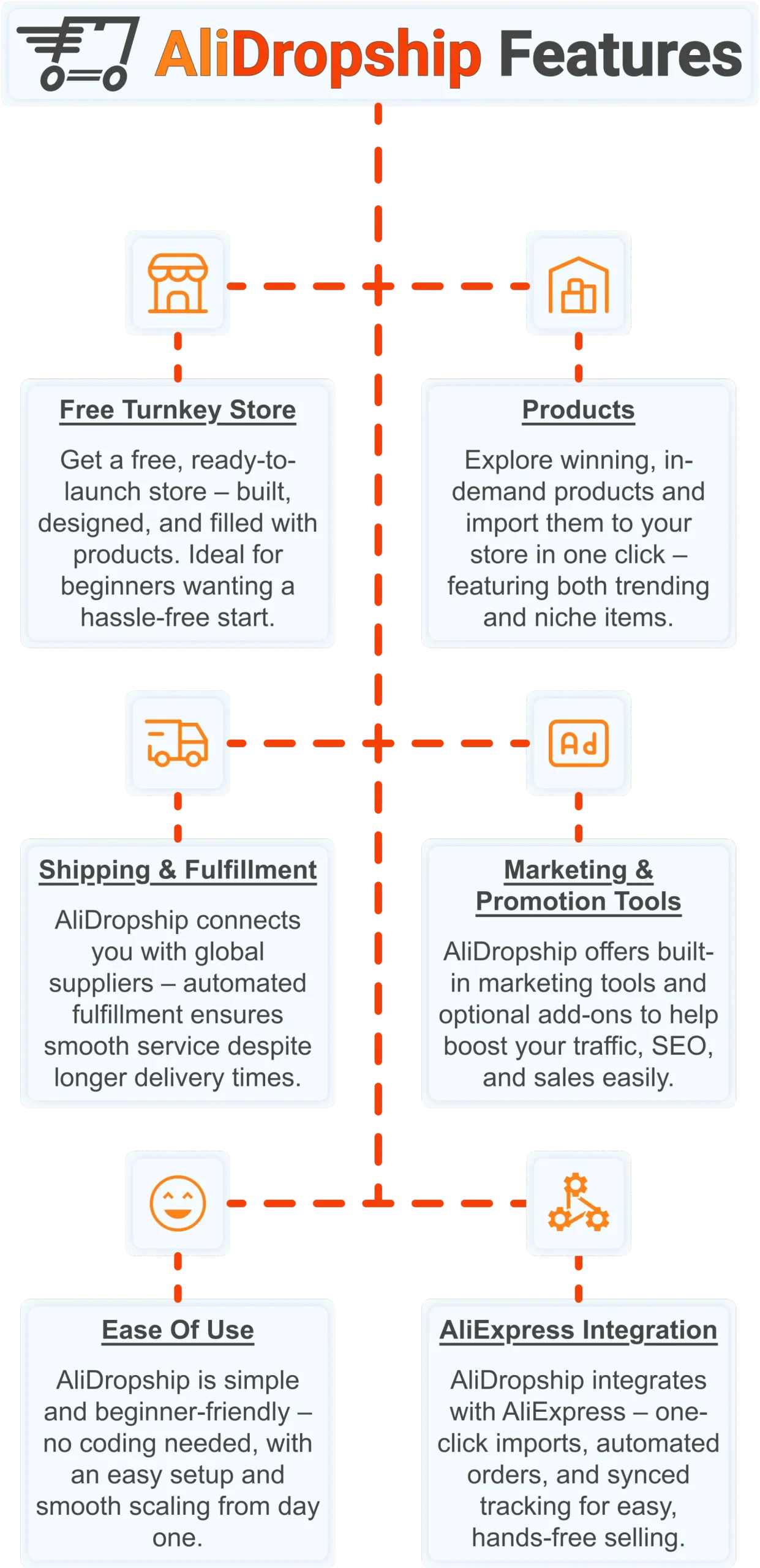
If you want the simplest possible way to start dropshipping – especially if you’re brand new – AliDropship remains one of the most beginner-friendly tools available in 2026. It brings together store creation, product imports, automation, and marketing into a single streamlined system designed to help you launch quickly and grow confidently.
Free turnkey store ️
Get a free turnkey store – built, designed, and filled with products. Ideal for beginners wanting a hassle-free start, the store comes fully optimized to attract customers right away, saving you time on setup. Plus, it includes professional design elements to give your business a polished, trustworthy look from day one. This ready-made foundation makes it easy to move seamlessly into product selection.
Products
Once your store is set up, you can explore winning, in-demand products and import them in one click – featuring both trending and niche items. This wide selection lets you cater to diverse customer interests and test what works best. Regular updates ensure you always have fresh products, keeping your store competitive and relevant. With great products in place, smooth shipping becomes the next essential step.
Shipping & fulfillment
AliDropship connects you with global suppliers, and automated fulfillment ensures seamless order processing despite international delivery times. Customers receive real-time tracking updates, which builds confidence and trust in your store. Once shipping is handled reliably, you can focus on promoting your store and attracting traffic.
Marketing & promotion tools
To maximize sales, AliDropship offers built-in marketing tools and optional add-ons that help boost traffic, SEO, and conversions. From email campaigns and discounts to social media integration, these tools empower you to reach and retain customers without needing prior marketing experience. With promotion strategies in place, managing your business becomes simpler and more efficient.
Ease of use
AliDropship is beginner-friendly – no coding needed, with an intuitive dashboard that guides you through every step. Easy setup and smooth scaling let you expand your store without stress. As your business grows, adding new features, products, and marketing campaigns remains hassle-free, giving you more time to focus on sales.
AliExpress integration
Finally, AliDropship integrates seamlessly with AliExpress, enabling one-click imports, automated orders, and synced tracking. Your inventory stays up-to-date with the latest products and prices, while automated order processing frees you from manual tasks. Combined with the turnkey setup, reliable shipping, and built-in marketing tools, this integration ensures your dropshipping business is fully equipped for growth and success.
Frequently Asked Questions
What are the best eco-friendly products to sell online in 2026?
The best eco-friendly products to sell include reusable water bottles, bamboo kitchenware, beeswax food wraps, solar powered chargers, organic cotton tote bags, and zero waste personal care items. The global green consumer goods market is on track to surpass 400 billion dollars by 2027. These categories combine strong year round demand, healthy margins, and excellent repeat purchase potential. Eco conscious buyers also show higher brand loyalty than average shoppers once trust is established.
How much profit can reusable water bottles generate for an eco-friendly store?
Reusable water bottles typically generate 8 to 25 dollars profit per unit depending on design and materials. The global reusable water bottle market was valued at around 9.67 billion dollars in 2024 and is projected to reach 12.6 billion dollars by 2030. Government bans on single use plastic bottles across the US, Canada, and Australia continue to drive demand for this category. Insulated versions with wide mouth openings tend to command higher prices and generate better reviews.
Is selling eco-friendly personal care products profitable?
Sustainable personal care products carry strong margins because buyers in this category are highly brand loyal and willing to pay a premium for certified natural items. Bamboo toothbrushes typically earn 3 to 10 dollars profit per unit, with higher margins in multipacks. Shampoo bars and solid personal care items earn 5 to 18 dollars per bar or bundle, since one bar can replace two to three plastic bottles. Reusable cotton rounds in sets of 10 to 20 commonly retail for 12 to 25 dollars.
How much can beginners realistically earn selling eco-friendly products?
Beginners in a testing phase working part time can realistically earn 300 to 800 dollars per month within the first 60 to 90 days. Intermediate sellers running a growing store part time to full time can reach 1500 to 4000 dollars per month. Advanced sellers with an established brand and full time marketing effort can reach 5000 to 15000 dollars or more per month. The higher tiers typically take 12 to 24 months of consistent effort to reach rather than appearing in the first 30 days.
What legal issues should sellers avoid when marketing eco-friendly products?
Sellers should avoid vague or misleading environmental claims, since greenwashing is restricted under the US Federal Trade Commission Green Guides and equivalent EU regulations. Phrases like all natural or 100 percent green should be avoided unless backed by specific supporting evidence tied to a material or certification. Recognized certifications like FSC, GOTS, and Fair Trade carry real weight with informed buyers, while generic eco certified labels with no issuing body do not. Verifying supplier claims before publishing them protects sellers from liability if a buyer or journalist investigates those claims.
The eco-friendly products niche is growing fast, and 2026 is the right moment to claim your share of it. Get your free turnkey store today and start selling sustainable products that buyers are already searching for.
 Previous post
