 ‧ Agnes Kazaryan ‧
March 08, 2026
‧ Agnes Kazaryan ‧
March 08, 2026  672 ‧
672 ‧
 0
0
Job hunting used to mean cold-calling companies, printing resumes, and showing up in person just to hand over a piece of paper. In 2026, you can apply for dozens of roles before your morning coffee gets cold – all from your phone. The best job search apps have genuinely changed how people find work, and if you’re not using them, you’re leaving opportunities on the table.
Quick Answer: The best job search apps in 2026 include Indeed, LinkedIn, Glassdoor, ZipRecruiter, and FlexJobs – each suited to different goals, experience levels, and work styles. The right one depends on what kind of role you’re after.
But which app is actually worth your time? That depends on where you are in your career, what kind of work you want, and how much you’re willing to put in. This guide breaks it all down honestly – no hype, just the facts.
What are job search apps and why do they matter in 2026?
Job search apps are mobile and desktop platforms that aggregate job listings from employers, staffing agencies, and other job boards into one place. Most of them go further than that now – they offer resume tools, salary data, company reviews, and direct messaging with recruiters.
The shift toward mobile-first job hunting has been dramatic. Studies consistently show that the majority of job seekers now use their smartphones as their primary job search tool. If a platform doesn’t have a solid app experience, it’s already at a disadvantage. The best job search apps in 2026 are fast, smart, and genuinely useful – not just digital versions of a bulletin board.
What’s changed most recently is the integration of AI-driven matching. Instead of manually filtering through hundreds of listings, the better apps now surface roles that genuinely fit your profile. That saves time, reduces frustration, and gets you in front of the right employers faster.
How much can you realistically earn using job apps?
This depends heavily on the type of work you’re targeting. Job apps themselves don’t pay you – they connect you with opportunities. But the quality of the app, and how well you use it, directly affects what you land.
The app you choose should match the type of work you’re after. Using a freelance platform to find a salaried corporate role – or vice versa – wastes time and often leads to frustration.
Important note: Most people don’t land a job within the first week of using a job app. Realistically, expect 30–90 days from first application to offer, depending on the industry and how competitive the role is.
The top 10 best job search apps in 2026
These platforms cover the full spectrum – from quick part-time gigs to senior-level corporate roles. Each has a distinct focus, and the best results come from picking one or two that actually match your goal.
General job boards
1. Indeed
Indeed is the largest job aggregator in the world, pulling listings from company websites, staffing agencies, and other boards into one searchable database. The app is fast, reliable, and genuinely easy to use. You can set up one-click apply with a saved resume, create job alerts for specific search terms, and browse salary data directly within listings.
It’s not the most curated experience – the volume of listings means quality varies – but if you want breadth and speed, no other best job search app comes close to what Indeed offers.
Earning potential: Varies by role – entry-level roles from $15/hr, professional roles from $50,000–$120,000/yr.
2. LinkedIn
LinkedIn is the dominant platform for professional networking and job searching simultaneously. Your profile functions as a living resume, visible to recruiters who actively search for candidates – meaning opportunities can come to you without you applying anywhere. The AI-powered job recommendations are genuinely useful once your profile is filled out properly.
The premium tier (around $40/month) adds InMail credits, application insights, and profile visibility boosts. For senior or specialized roles, it’s often worth the cost. For entry-level, the free version covers most of what you need.
Earning potential: Skews toward mid-to-senior professional roles – $60,000–$200,000+/yr in many industries.
3. Glassdoor
Glassdoor is uniquely valuable because it combines job listings with insider information – employee reviews, salary reports, and interview question archives. Before you apply anywhere, checking that company’s Glassdoor profile is smart. It takes five minutes and can save you from walking into a terrible work environment.
The job board itself is solid but smaller than Indeed or LinkedIn. Use it less as a primary search tool and more as a research layer on top of whatever app you’re already using.
Earning potential: Salary data makes it easier to negotiate – users consistently report arriving at interviews better-informed than candidates from other platforms.
4. Monster
Monster was one of the first major job boards online, and its app has modernized well. It’s reliable, straightforward, and covers a wide range of industries. The standout features are its resume builder and career advice content, which are genuinely useful if you’re re-entering the workforce or changing industries.
It doesn’t have the same reach as Indeed, but it surfaces different listings sometimes – worth running alongside your primary app rather than as a replacement.
Earning potential: Broad range – entry to mid-level roles across most industries.
Speed and AI matching
5. ZipRecruiter
ZipRecruiter’s AI matching engine is genuinely impressive. Upload your resume once, answer a few questions, and the platform starts surfacing roles and sending your profile to employers who match your criteria. Employers can invite you to apply – which signals a real interest before you’ve spent any time on a cover letter.
The app also notifies you when an employer views your application, which helps you prioritize follow-ups. For people who want a fast, low-friction job search, this is one of the best job search apps available.
Earning potential: Covers all salary ranges – stronger in mid-market roles ($40,000–$90,000/yr).
Hourly and part-time work
6. Snagajob
Snagajob is purpose-built for hourly and shift-based work – retail, hospitality, food service, logistics, and similar fields. If you’re looking for part-time income, seasonal work, or a flexible second job, this is the most focused platform for that specific need.
The application process is intentionally fast – many listings let you apply in under two minutes. Employers on Snagajob tend to move quickly too, with many responding within 24–48 hours.
Earning potential: $15–$25/hr for most listings – higher in skilled trades and logistics.
Remote and flexible work
7. FlexJobs
FlexJobs specializes in remote, hybrid, and flexible work arrangements. Every listing is manually screened before it goes live – which eliminates the scam listings that plague free platforms. That curation comes at a cost: FlexJobs charges a subscription fee (around $15–$50/month depending on the plan).
If remote work is your non-negotiable, that fee is almost certainly worth it. You’re not just getting listings – you’re getting vetted opportunities that actually deliver on what they promise.
Earning potential: $40–$150/hr depending on skill level and field – remote roles in tech and consulting sit at the top end.
Tech and startup roles
8. Wellfound (formerly AngelList Talent)
Wellfound is the go-to platform for startup jobs – particularly in tech, product, design, and finance. Most listings include salary ranges and equity details upfront, which is unusual and genuinely helpful. You can apply directly to founders in some cases, which cuts through the typical HR funnel.
It’s a niche platform, but within that niche, it’s the best job search app for people targeting early-stage companies or tech-adjacent roles.
Earning potential: $70,000–$200,000+/yr – equity can add significant upside at the right company.
Freelance and contract work
9. Upwork
Upwork is the largest freelance marketplace in the world, covering writing, design, development, marketing, finance, and dozens of other fields. You create a profile, set your rates, and either apply to posted projects or wait for clients to invite you directly.
The platform takes a percentage of your earnings (sliding scale from 5% to 20%), but the access to global clients and the volume of work available makes it worthwhile for most freelancers. Building a reputation takes time – expect 60–90 days before you’re landing consistent work.
Earning potential: $20–$150+/hr depending on skill and specialization – top-rated freelancers earn $100,000+/yr.
10. CareerBuilder
CareerBuilder is one of the most established names in online recruiting, and its app is a solid all-rounder. It’s particularly strong for traditional industries – manufacturing, healthcare, finance, administration – where some of the newer platforms have thinner coverage.
The salary tools and application tracking features are useful, and the AI-driven job recommendations have improved significantly in recent years. Not the flashiest option, but dependably useful.
Earning potential: Broad range – strongest in mid-market professional roles ($45,000–$95,000/yr).
How to get the most out of job search apps
Downloading three apps and applying to twenty jobs isn’t a strategy. Here’s what actually moves the needle.
Keep your profile complete and current
Most apps use your profile data to match you with roles. An incomplete profile means worse matches, less visibility to recruiters, and fewer inbound opportunities. Spend an hour filling everything out properly before you send a single application.
Use job alerts – not just manual searches
Set up keyword alerts for your target role, location, and salary range. Most platforms notify you within hours of a matching listing going live. Early applicants consistently get more responses than people who find the same listing two days later.
Don’t rely on one platform
Different companies post on different platforms. A role that doesn’t appear on Indeed might be listed on LinkedIn or Wellfound. Using two or three of the best job search apps simultaneously gives you meaningfully better coverage without much extra effort.
Tailor your applications – at least a little
One-click apply is convenient, but a slightly customized cover note or a few adjusted resume bullet points can dramatically improve your response rate. The platforms with the highest application volume (Indeed, LinkedIn) are also the most competitive – standing out matters.
Free vs. paid plans: Is it worth upgrading?
Most of the best job search apps are free to use at the core level. Paid plans exist, and in some cases they’re genuinely worth it – but not always.
When free is fine
For most job seekers at the entry-to-mid level, free tiers cover everything you actually need: browsing listings, applying, setting alerts, and tracking applications. Indeed, Glassdoor, ZipRecruiter, and CareerBuilder are all effective without spending a penny.
When paid plans make sense
LinkedIn Premium is worth considering if you’re in a competitive professional field and want to message recruiters directly or see how your application stacks up against other candidates. FlexJobs is worth paying for if remote work is your priority and you want vetted listings. Career coaching add-ons (available on FlexJobs and a few others) are worth it if you’re making a significant career change and need structured support.
Important: Don’t pay for premium features on multiple platforms at once. Pick one, use it for 30 days, and evaluate whether the results justify the cost before committing further.
Legal and ethical considerations when using job search apps
Most of what happens on job apps is straightforward, but there are a few things worth knowing.
Scam listings are real
Especially on free, open platforms like Indeed, fraudulent job listings do appear. Red flags include vague job descriptions, requests for personal financial information before hiring, unusually high pay for minimal qualifications, and employers who skip the interview entirely. FlexJobs exists specifically because its founders got burned by scam listings – their manual screening process addresses this directly.
Key principle: Never provide your bank details, social security number, or payment information to a potential employer before you’ve verified the company independently.
Your data is being used
When you upload a resume to a job app, you’re giving that platform access to a lot of personal information. Read the privacy policy – particularly around how your data is shared with third-party employers or advertisers. LinkedIn and Indeed are transparent about this; some smaller platforms are less so.
Don’t misrepresent your qualifications
It sounds obvious, but the ease of applying at scale on job apps has led some people to apply for roles they’re significantly underqualified for, or to exaggerate their experience. Background checks and reference verification are standard in most professional hiring processes. Misrepresentation that’s discovered post-hire is grounds for immediate termination in most jurisdictions.
Final thoughts: Which job search app is right for you?
The best job search app isn’t the same for everyone. Here’s how to choose based on where you are right now.
Complete beginner
Start with Indeed for volume and Snagajob if you need part-time or hourly work quickly. Both are free, fast, and require minimal setup. Focus on getting your resume in good shape before you start applying anywhere.
Intermediate – part-time search
Add LinkedIn to your stack. Fill out your profile completely, connect with people in your target industry, and turn on “Open to Work.” Set up job alerts on both Indeed and LinkedIn for your target role. Apply within 24 hours of a listing going live whenever possible.
Advanced – full-time or career change
Use LinkedIn Premium if you’re targeting mid-to-senior professional roles. Add Wellfound if you’re interested in startups. Consider FlexJobs if remote work is non-negotiable. Invest time in your profile, get recommendations from former colleagues, and treat job searching as a part-time job in itself – 1–2 focused hours per day typically outperforms sporadic all-day sessions.
AliDropship: Your complete all-in-one solution for starting dropshipping in 2026
If you want the simplest possible way to start dropshipping – especially if you’re brand new – AliDropship remains one of the most beginner-friendly tools available in 2026. It brings together store creation, product imports, automation, and marketing into a single streamlined system designed to help you launch quickly and grow confidently.
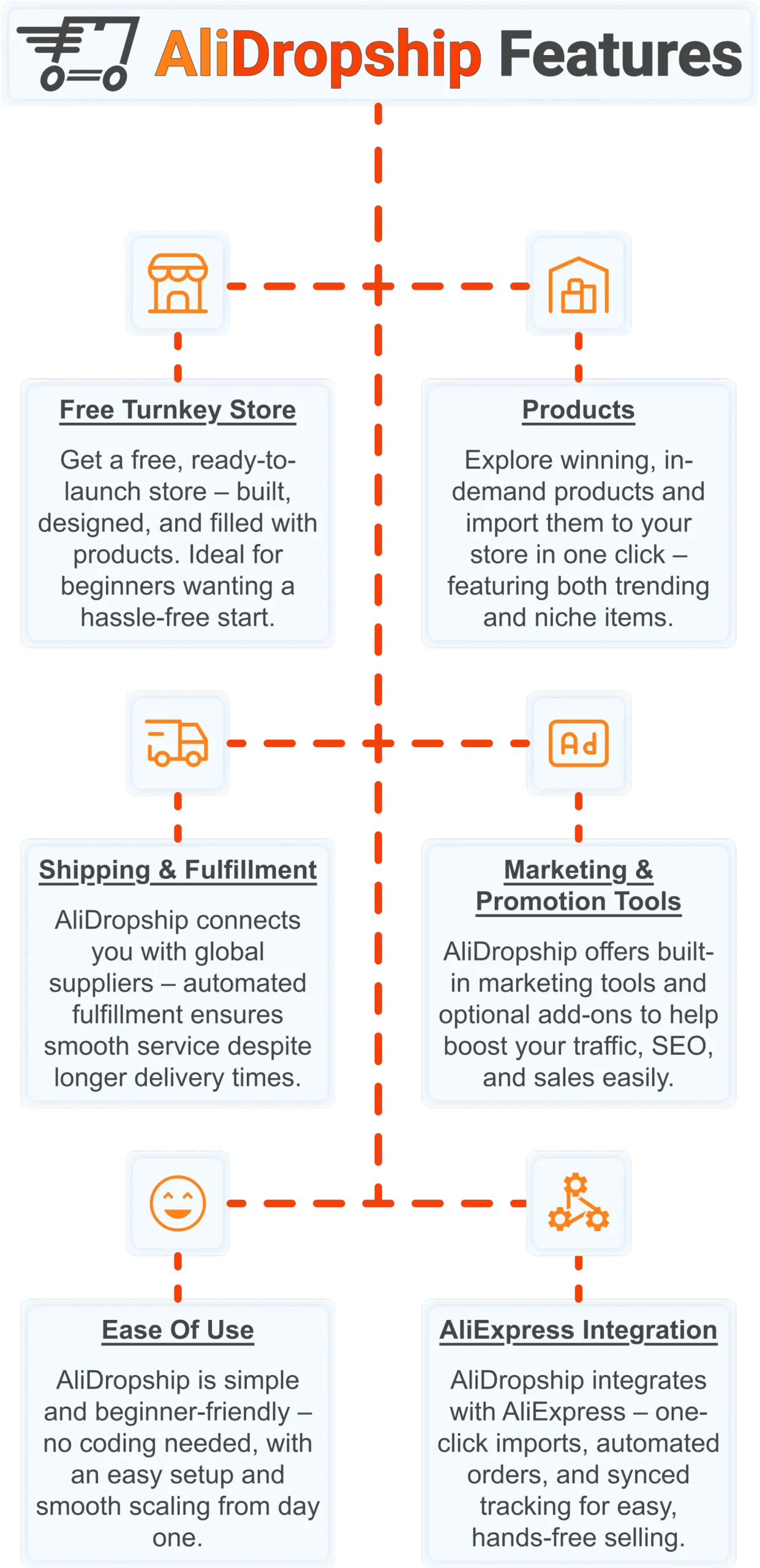
Free turnkey store ️
Get a free turnkey store – built, designed, and filled with products. Ideal for beginners wanting a hassle-free start, the store comes fully optimized to attract customers right away, saving you time on setup. Plus, it includes professional design elements to give your business a polished, trustworthy look from day one. This ready-made foundation makes it easy to move seamlessly into product selection.
Products
Once your store is set up, you can explore winning, in-demand products and import them in one click – featuring both trending and niche items. This wide selection lets you cater to diverse customer interests and test what works best. Regular updates ensure you always have fresh products, keeping your store competitive and relevant. With great products in place, smooth shipping becomes the next essential step.
Shipping & fulfillment
AliDropship connects you with global suppliers, and automated fulfillment ensures seamless order processing despite international delivery times. Customers receive real-time tracking updates, which builds confidence and trust in your store. Once shipping is handled reliably, you can focus on promoting your store and attracting traffic.
Marketing & promotion tools
To maximize sales, AliDropship offers built-in marketing tools and optional add-ons that help boost traffic, SEO, and conversions. From email campaigns and discounts to social media integration, these tools empower you to reach and retain customers without needing prior marketing experience. With promotion strategies in place, managing your business becomes simpler and more efficient.
Ease of use
AliDropship is beginner-friendly – no coding needed, with an intuitive dashboard that guides you through every step. Easy setup and smooth scaling let you expand your store without stress. As your business grows, adding new features, products, and marketing campaigns remains hassle-free, giving you more time to focus on sales.
AliExpress integration
Finally, AliDropship integrates seamlessly with AliExpress, enabling one-click imports, automated orders, and synced tracking. Your inventory stays up-to-date with the latest products and prices, while automated order processing frees you from manual tasks. Combined with the turnkey setup, reliable shipping, and built-in marketing tools, this integration ensures your dropshipping business is fully equipped for growth and success.
Frequently Asked Questions
What are the best job search apps in 2026?
The best job search apps in 2026 include Indeed, LinkedIn, Glassdoor, ZipRecruiter, and FlexJobs, each suited to different goals and experience levels. Indeed is the largest job aggregator in the world, pulling listings from company websites and staffing agencies into one searchable database. LinkedIn functions as a living resume that recruiters can search directly, with a premium tier costing around 40 dollars per month. The right app depends on what kind of role you are after, whether that is full time, part time, or freelance work.
How long does it typically take to land a job using these apps?
Most people do not land a job within the first week of using a job app. Realistically, expect 30 to 90 days from first application to offer, depending on the industry and how competitive the role is. Early applicants consistently get more responses than people who find the same listing two days later, so setting up job alerts matters. Using two or three apps simultaneously gives meaningfully better coverage without much extra effort, since different companies post on different platforms.
What is the best job search app for remote work?
FlexJobs specializes in remote, hybrid, and flexible work arrangements, with every listing manually screened before it goes live. That curation comes at a cost, with a subscription fee running around 15 to 50 dollars per month depending on the plan. Remote roles in tech and consulting through FlexJobs can pay 40 to 150 dollars per hour depending on skill level and field. Wellfound is also worth considering for tech and startup roles, since most listings include salary ranges and equity details upfront.
Are paid job search app plans worth it?
For most job seekers at the entry to mid level, free tiers cover everything actually needed, including browsing listings, applying, and setting alerts. LinkedIn Premium is worth considering for competitive professional fields where messaging recruiters directly or seeing application rankings matters. FlexJobs is worth paying for specifically if remote work is the priority and vetted listings are valued over volume. Paying for premium features on multiple platforms at once is not recommended, since it is better to test one for 30 days before committing further.
What scams should you watch out for on job search apps?
Fraudulent job listings do appear, especially on free, open platforms like Indeed, with red flags including vague job descriptions and requests for financial information before hiring. Employers who skip the interview entirely or offer unusually high pay for minimal qualifications are also warning signs. Never provide bank details, a social security number, or payment information to a potential employer before verifying the company independently. Reading a platform’s privacy policy also matters, since uploading a resume gives that platform access to a lot of personal information.
If the job search is taking longer than expected, building a side income stream with dropshipping could be the smartest move you make this year. Claim your free store and a $100 voucher to get started today.
 Previous post
